After nearly three decades building businesses and leading teams across Asia, Dr Tan Boon Heon could have continued along a familiar path of corporate leadership. Instead, in June 2025, he took the helm of HCA Hospice, Singapore's largest home hospice care provider, beginning what he describes not as an exit from his previous career, but a new trajectory.
“Sometimes one has to take a step back to take two steps forward,” he says. “Rather than walking away from a trajectory, I see it as leaving a trajectory that is becoming less attractive, to another that is emerging, and potentially surpassing the one I am on.”
It is a telling distinction. After spending much of his career in biopharmaceutical, healthcare, and social impact sectors, including senior regional leadership, Tan had already experienced the conventional markers of professional success. Yet, his understanding of what constitutes a successful life had gradually begun to change.
Growing up in Singapore in the 1970s and 1980s, he says success was initially easy to define through the lens of social mobility. Later, it became tied to the familiar measures of business growth, performance, results, and financial compensation. But the people who ultimately influenced him most were not necessarily those with the biggest titles or achievements. They were leaders who made time for others, whether through mentoring, coaching, community work, or family.
“Success was no longer just about what I can accomplish at work, but about the impact I left behind and the lives I influenced along the way,” he says.
(Related: The business of feeding a nation, according to Arthur Chin)
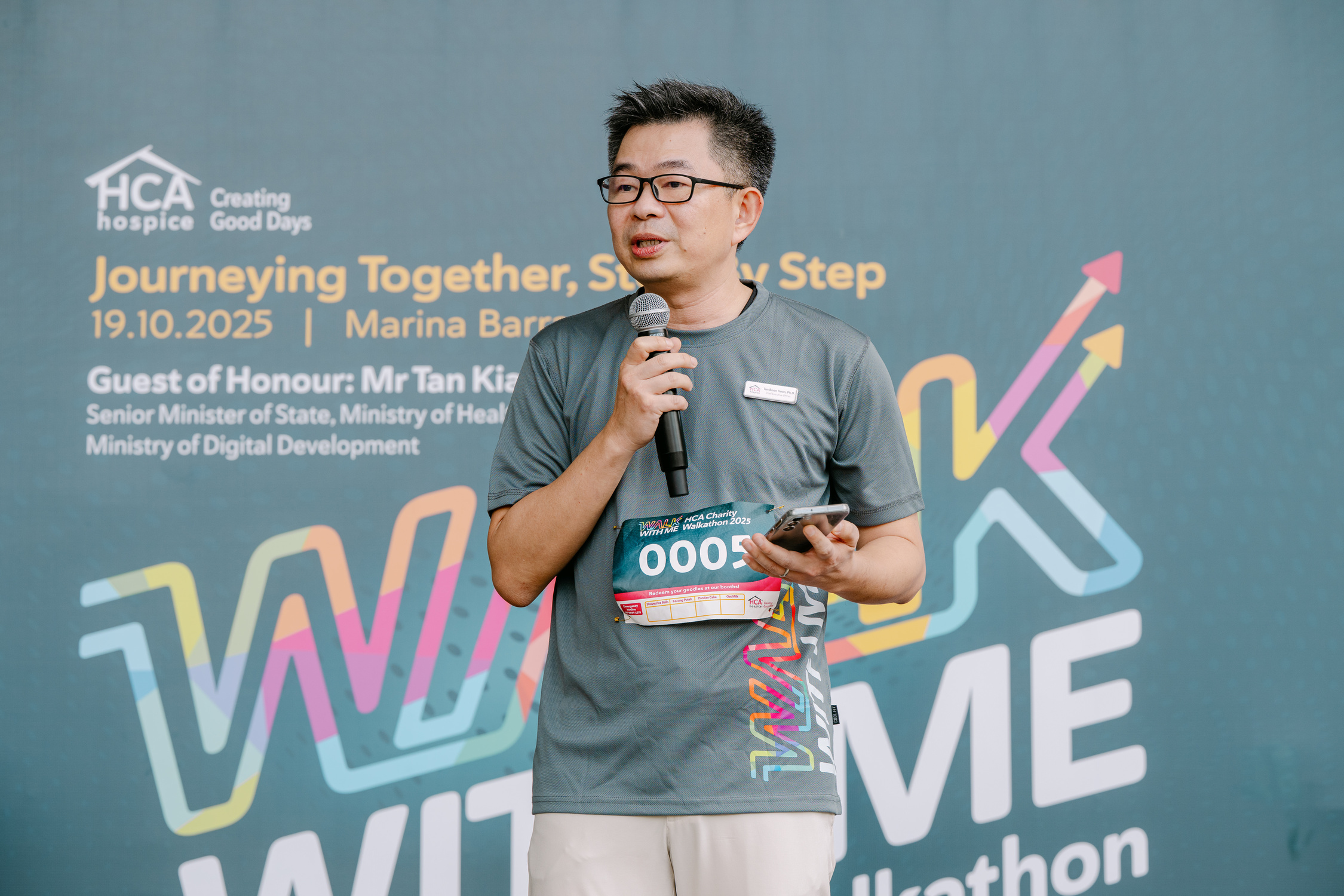
That evolution helps explain why HCA Hospice became a natural choice for his next chapter. Tan remains firmly focused on leadership and organisational performance, but the definition of impact is different. His priorities now include developing people, supporting those who are passionate about their work, and stewarding the organisation's advocates and stakeholders.
The transition has also challenged some of his assumptions about what effective leadership looks like. “Leadership is never one-size-fits-all,” he says, pointing to the different cultures, stages of development, and people that organisations exist to serve. What has remained constant, however, is his belief that people want to be seen, valued, trusted, and inspired by a purpose larger than themselves.
The expression of that leadership has had to change. In a commercial environment, decisiveness, speed, and clear direction can be necessary. At HCA Hospice, the pace is different. Servant leadership, he says, becomes essential, with consensus, consultation, humility, and deep listening particularly important in work that is both deeply human and emotionally complex.

“Titles are temporary, organisations evolve, and even the most impressive achievements will, in time, recede. What endures is not simply what we accomplish, but who we become in the process.” - Dr Tan Boon Heon
Perhaps the biggest adjustment has been in how he relates to stakeholders. In his corporate roles, interactions with customers, business partners, logistics providers, and regulators were often driven by the desired business outcome. At HCA Hospice, patients, caregivers, volunteers, donors, policymakers, and the wider community are not simply stakeholders. They are part of the mission.
For someone who describes himself as a natural introvert, that has meant becoming more intentional about relationships. More surprisingly, he has found himself enjoying it. “In some ways, hospice leadership has taught me that influence is not only built through strategy and execution, but through presence, trust, and friendship,” he says.
There is perhaps no greater reminder of that than the environment in which he now works. Hospice care has a way of stripping life down to its essentials, says Tan. At the end of life, conversations tend to revolve around relationships, love, unfinished conversations, forgiveness, and gratitude. Witnessing those moments has inevitably altered his own perspective on ambition and legacy.
“Time is finite, relationships are precious, and meaning comes from how we serve and connect with others,” he says.
 The Greenhouse, created for horticultural activities at HCA Oasis @ Outram Day Hospice
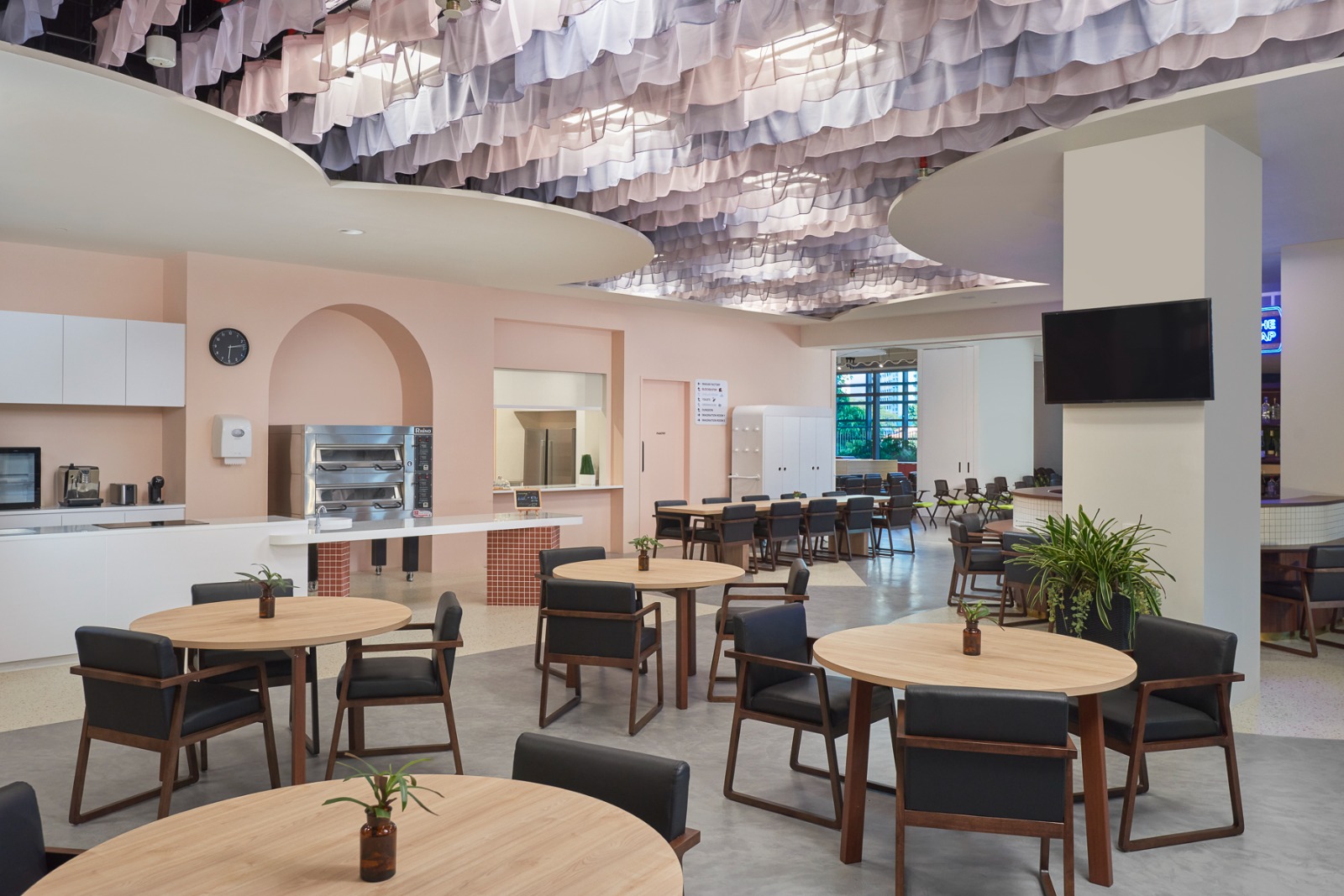 Common spaces at HCA Oasis @ Outram Day Hospice
That perspective is particularly relevant as technology begins to reshape leadership itself. Tan's own academic research focused on ethical decision-making and leadership behaviour, and he sees AI as the latest in a long line of technologies that have transformed how people work and live.
But he believes the growing sophistication of AI makes human judgement more important, not less. Leaders will continue to face ethical dilemmas, and resolving them requires empathy, compassion, humility, courage, and ethical judgement.
AI may help answer whether something can be done, whether it should be done and what impact it might have. The final decision, however, should remain with the human leader.
For Tan, this is part of a broader understanding of a career as a series of overlapping life stages rather than one uninterrupted climb. He describes the earlier stage as an “apprentice” period, focused on learning, developing skills, and discovering one's interests. Later comes “building a legacy”, where the emphasis shifts towards doing work one genuinely enjoys, absorbing knowledge, and creating value beyond employment.
(Related: Why Temus CEO Sng Ren Yeong believes AI transformation starts with people)
That means career growth does not necessarily have to mean climbing higher. Sometimes, it means going deeper, with motivation gradually shifting from achievement to contribution. Knowing when to make that shift, he believes, requires “mastery of self”: Developing professional competence and positive character while nurturing family, friendships, and a willingness to put others before oneself. It also means learning to listen to the inner voice that tells us when we may no longer be heading in the right direction.
For anyone still measuring their life primarily by professional milestones, Tan's advice is simple. Work hard. Pursue excellence. Remain ambitious. But do not mistake a career for an identity.
“Titles are temporary, organisations evolve, and even the most impressive achievements will, in time, recede,” he says. “What endures is not simply what we accomplish, but who we become in the process.”








 Back
Back