In an era defined by rapid shifts in behaviour, technology, and expectations, 2026 stands to be a year where industries reset with greater clarity and purpose.
Across hospitality, wellness, luxury retail, education, design, entertainment, and more, industry leaders are moving beyond short-term trends toward deeper, more considered approaches rooted in human needs. Travellers are seeking meaning and connection, consumers want authenticity and substance, and businesses are rethinking how they serve communities with responsibility and imagination.
In this edition of the annual Portfolio Forecast, we bring together a diverse group of voices who are navigating evolving landscapes with insight and optimism. While their fields vary widely, a shared thread runs through their perspectives. Personalisation guided by technology. Wellness woven into everyday life. Cultural resonance taking precedence over uniformity. A shift from transactions to relationships.
These leaders are not only responding to change, they are defining what progress looks like across Asia and beyond. Their visions offer a glimpse into a future shaped by clarity, humanity, and a renewed sense of possibility.
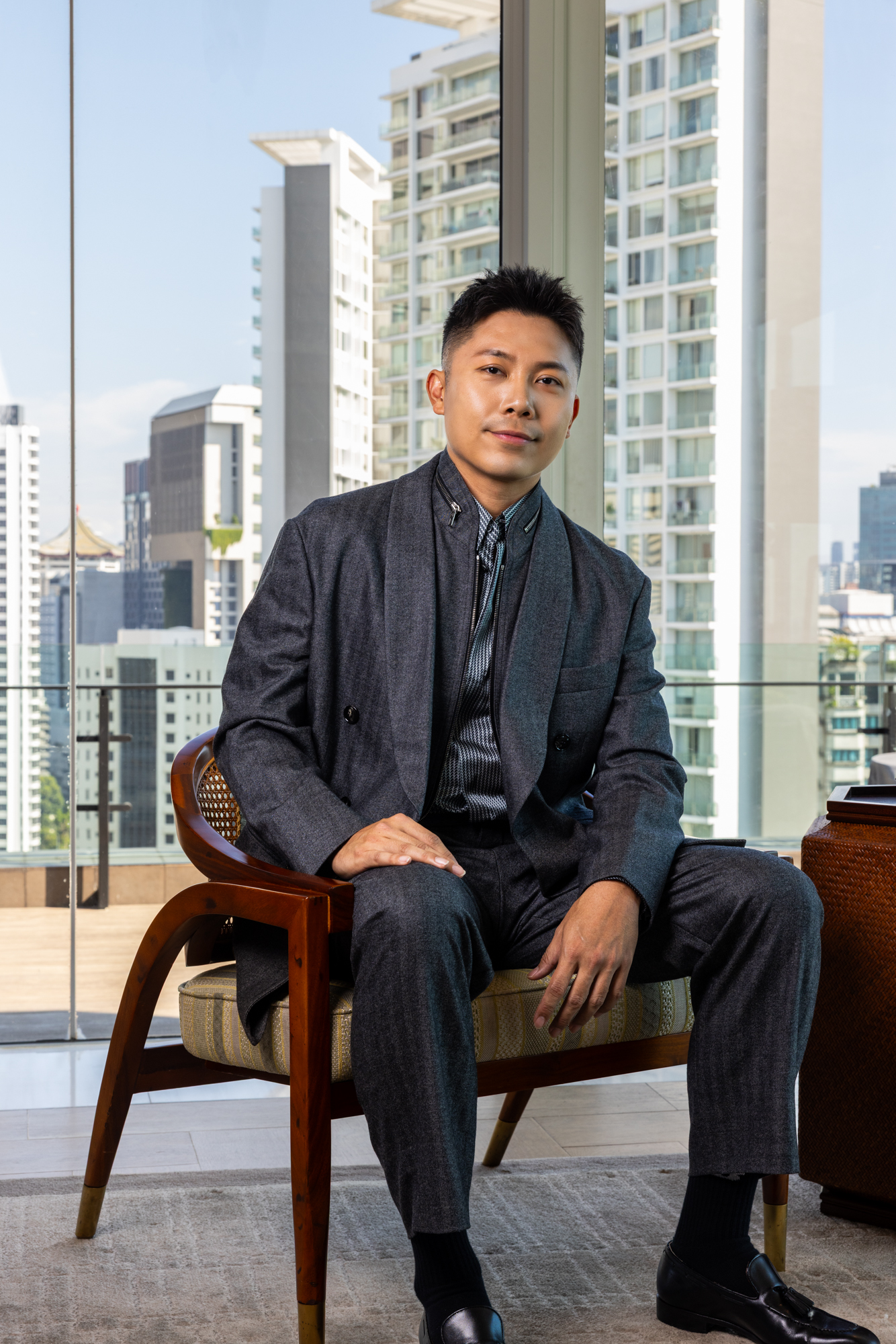 Outfit by Giorgio Armani
BENNY ONG
Group Chief Business Officer, KIN Group
What industry insights and trends do you see shaping 2026, and which of these hold the greatest opportunities in your field?
Everyone in hospitality talks about service, technology, and sustainability. They’ve become expectations, not differentiators. For us, Cultural Wellness is our true, holistic touchstone, and opportunity. It’s how we define modern hospitality – by designing spaces that don’t just look beautiful, but feel right.
Today’s guests notice everything – from air quality to mattress density, lighting warmth to the subtle scent of a room. This is where we stand apart. At KIN, we draw from the culture of place, amplifying what makes it distinct and meaningful. We design for resonance, not repetition – blending sensory precision with local character, so that every stay carries the rhythm of its city.
As the boutique mindset rises and mainstream hospitality slips into sameness, we stand at the crossroads – bridging culture and calm, craft and care. As travellers ourselves, we understand that every detail shapes emotion. Whether it’s a short stay or a long retreat, the feeling of wellness must begin the moment a guest steps through the door.
How do you see yourself/your organization leading the way in turning these forecasts into reality? If Cultural Wellness is our touchstone, understanding culture is where it begins. By embedding ourselves early within the Vietnamese diaspora, we’ve learned how communities across the country preserve and express their rituals of living. These insights shape how we design experiences that feel rooted in place yet universally resonant.
Our team continuously combs the six tenets of Vietnamese wellness: The Spirit of Mindfulness; Herbs, Healing Baths & Traditional Therapies; Nature, Landscape & Movement; and Food as Medicine. These principles are not decorative or nostalgic; they inform how our spaces breathe, flow and feel.
From these foundations, our philosophy takes form. It begins with the fundamentals of well-being – restorative sleep, balanced lighting, tactile comfort, and purified air. Together, they create an atmosphere that feels intuitively calm yet quietly refined. We call this Everyday Luxury – a design philosophy that makes quality rest and thoughtful comfort accessible, consistent, and deeply human at every touchpoint.
At KIN, we don’t separate beauty from utility or comfort from culture. They coexist through intention – in the way light softens a space or how a room holds its quiet. Every gesture is deliberate and designed to make guests feel both at ease and in tune. That, to us, is the warmth of KIN-ship – not in grand gestures, but in quiet care.
 Outfit by Giorgio Armani
LILY PARK
Chief Executive Officer, BM Smile Singapore (RHQ)
What industry insights and trends do you see shaping 2026, and which of these hold the greatest opportunities in your field?
In 2026, we expect a deeper convergence of creativity, technology, and emotional value across consumer markets. Beyond products, consumers are seeking experiences that connect meaningfully with their identity and emotions.
IP-driven retail and lifestyle storytelling will continue to thrive as people turn to playful, comforting, and expressive experiences to navigate uncertainty. For us, the intersection of culture and commerce will remain the greatest opportunity.
How do you see yourself/your organization leading the way in turning these forecasts into reality? As the regional headquarters (RHQ) established to drive the global expansion of our Korean headquarters’ IP and brands, we serve as a strategic bridge connecting Korean creativity with Southeast Asia’s dynamic markets. Through cross-industry collaborations, experiential retail, and localised storytelling, we turn emotional resonance into measurable growth, anchoring joy as a sustainable strategy.

XAVIER LEE
Chief Executive Officer, Jumpstart Commerce
What industry insights and trends do you see shaping 2026, and which of these hold the greatest opportunities in your field?
Commerce in 2026 will be shaped by two powerful forces: Smarter technology and a more complex world.
AI is shifting from experiment to everyday commerce, powering personalisation and predictive automation across the customer journey. At the same time, global trade tensions and protectionist policies are pushing brands to diversify supply chains, while rising competition and content-hungry consumers demand relevance at speed.
The next wave of commerce will be defined by how seamlessly intelligence, agility, and customer experience come together to create trust and growth across markets.
How do you see yourself/your organization leading the way in turning these forecasts into reality? We’re driving the next era of commerce, helping brands stay agile and connected in an increasingly complex world. As companies expand across markets, ambition often runs faster than the systems supporting it, and that’s where the right partner makes all the difference.
At Jumpstart Commerce, Southeast Asia’s only Shopify Plus Platinum Partner and among the top 1% globally, we build and evolve the commerce engine that powers long-term growth through connected systems and customer experiences driven by speed, insight, and innovation.
Backed by deep regional experience and a decade of building digital ecosystems, we help brands navigate change with clarity and execute with creativity and business intelligence.
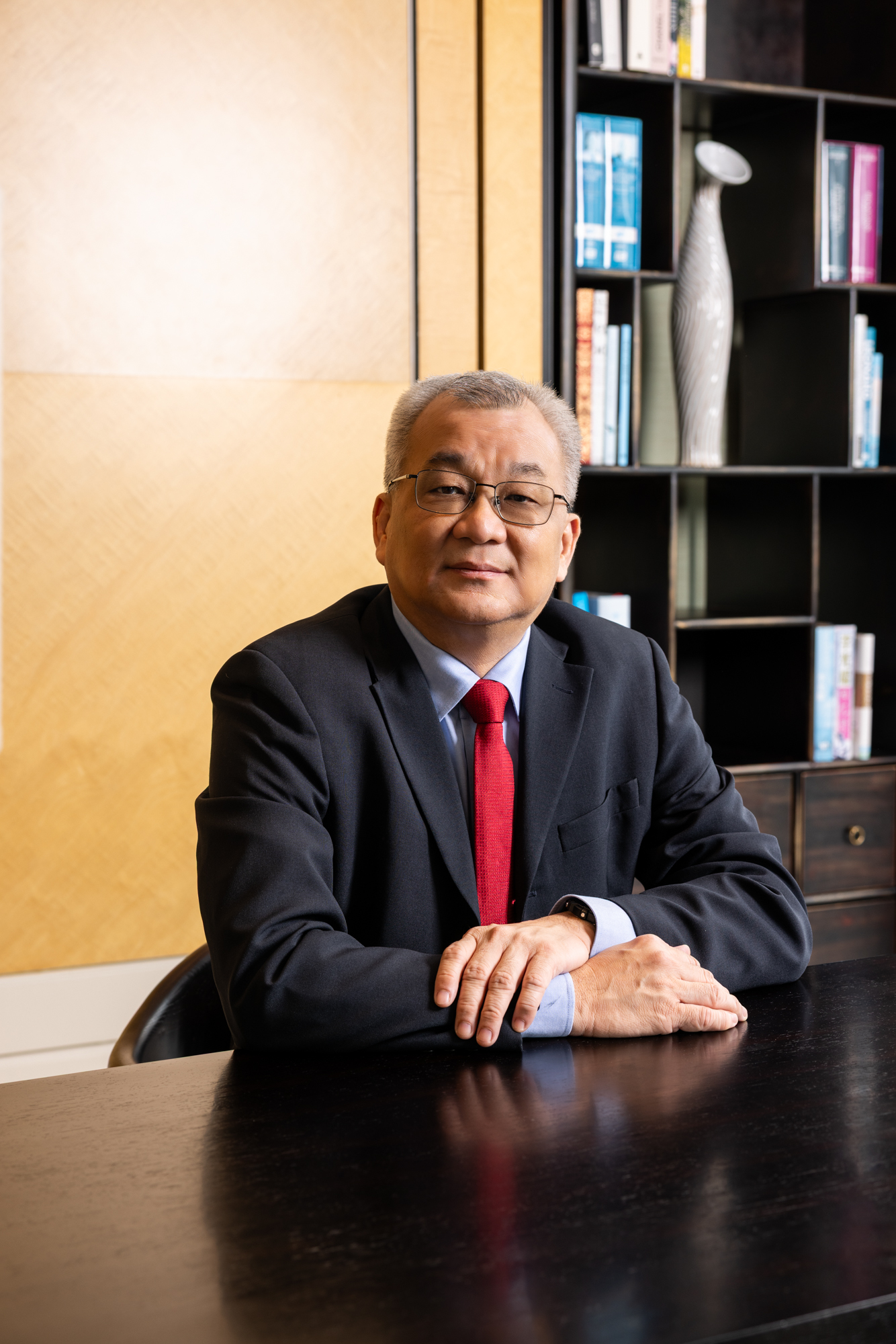
HOW MENG HOCK
Chief Executive Officer, OMS Energy Technologies
What industry insights and trends do you see shaping 2026, and which of these hold the greatest opportunities in your field?
Firstly, the industry will continue to face geopolitical challenges in 2026. This factor is expected to drive and push for energy security within the countries, especially in achieving economic sustainability and self-reliance on energy needs. This means there will be a stronger push for indigenisation programmes. Secondly, technology adoption from AI, digital twins, real time monitoring to achieve higher, and better-quality output either in existing wells or new wells. Thirdly, how new energy sources, such as renewals, add and partner with traditional sources to power global economic growth.
How do you see yourself/your organization leading the way in turning these forecasts into reality?
OMS’ strategic way forward is to leverage on our existing footprint and advance local production, workforce development, and supply chain partnerships in emerging markets to enhance operational agility and customer proximity. This can also be done via strengthening our presence in large, fast-growing markets across Asia Pacific and the Middle East through strategic partnerships and customer-driven expansion. It is also our strategic aim to drive R&D (products and services) and advanced manufacturing to deliver next-generation, technology-driven solutions for the oil and gas sector. Speed, simplicity, resourcefulness and risk taking will be key for us.
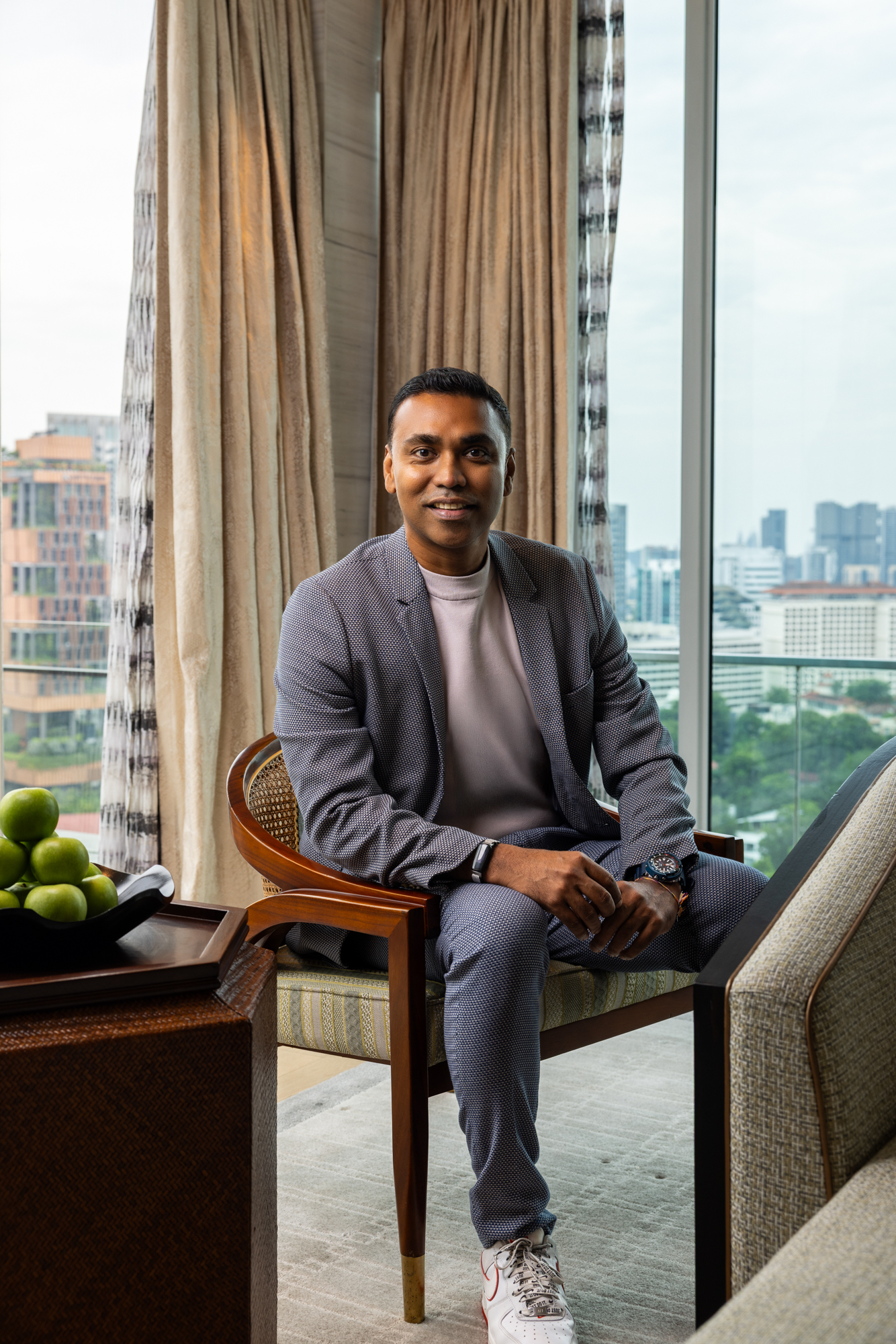
DR YUDARA KULARATHNE
Founder, AIGP Health and HiiHealth
What industry insights and trends do you see shaping 2026, and which of these hold the greatest opportunities in your field?
Healthcare is entering a major transformation – shifting from reactive treatment to proactive, data-driven intelligence. Three trends stand out for 2026:
AI-Driven Biomarkers
The fusion of AI, imaging, and sensor technologies is creating digital biomarkers – health signals captured from simple data like video, voice, or motion. These enable continuous, non-invasive monitoring of cardiovascular, neurological, and metabolic health, turning everyday devices into early-warning systems for disease prevention and performance optimization.
Longevity & Regenerative Protocols
Medicine is moving from extending lifespan to enhancing healthspan. Emerging therapies, such as hyperbaric oxygen, hypoxic training, metabolic conditioning, and cellular regeneration will increasingly rely on personalized biomarker feedback – merging wellness and clinical science into one continuum of care.
Personal Health, Data & Regulation
As digital health data explodes, trust and transparency will define the next frontier. Regulators are beginning to recognize AI systems as medical-grade tools, and the challenge ahead lies in balancing innovation speed with clinical safety – ensuring algorithms are explainable, evidence-based, and ethically governed.
Together, these shifts will create a more connected, measurable, and personalized model of global health.
How do you see yourself/your organisation leading the way in turning these forecasts into reality?Through Hii.Health and AIGP Health, we’re translating these trends into reality.
Hii.Health develops a new category of digital biomarkers using light reflections captured by smartphone cameras to assess skin aging, sexual health, erectile function, and even detect sepsis remotely – all non-invasively.
AIGP Health delivers an AI-first primary-care platform with Singapore’s HSA Class-A SaMD clearance, proving AI can be safe and regulatory-compliant.
Our longevity research further integrates oxygen, hypoxic, and temperature-based therapies to promote cellular rejuvenation and telomere repair. Our vision: Make medically validated, real-time biomarkers as simple and accessible as taking a selfie.

RYAN LIM
Co-Founder, Meta Robotics
What industry insights and trends do you see shaping 2026, and which of these hold the greatest opportunities in your field?
By 2026, education will be defined by the convergence of AI, robotics, and experiential learning. The focus is shifting from content-based instruction to competency-based development, where children build problem-solving, computational, and creative thinking skills through hands-on exploration. As technology advances, AI will increasingly serve as an interactive learning enabler that helps teachers guide students more effectively while preserving the human connection.
The classroom setting remains essential, as children learn best through collaboration, communication, and shared discovery with their peers. The greatest opportunity lies in combining digital intelligence with human interaction, ensuring that technology enhances rather than replaces real-world learning experiences.
How do you see yourself/your organization leading the way in turning these forecasts into reality?
At Meta Robotics, we are leading this transformation by integrating robotics, coding, and AI into a holistic learning experience that balances technology with human connection. Our curriculum encourages children to learn by doing, where they conceptualise, construct, code, compute, and communicate their ideas with confidence.
Beyond content mastery, we focus on cultivating curiosity, teamwork, and adaptability, which are essential traits for thriving in a fast-changing world. By combining experiential learning with purposeful technology use, we aim to nurture a generation that is not only ready for the future, but also capable of shaping it.
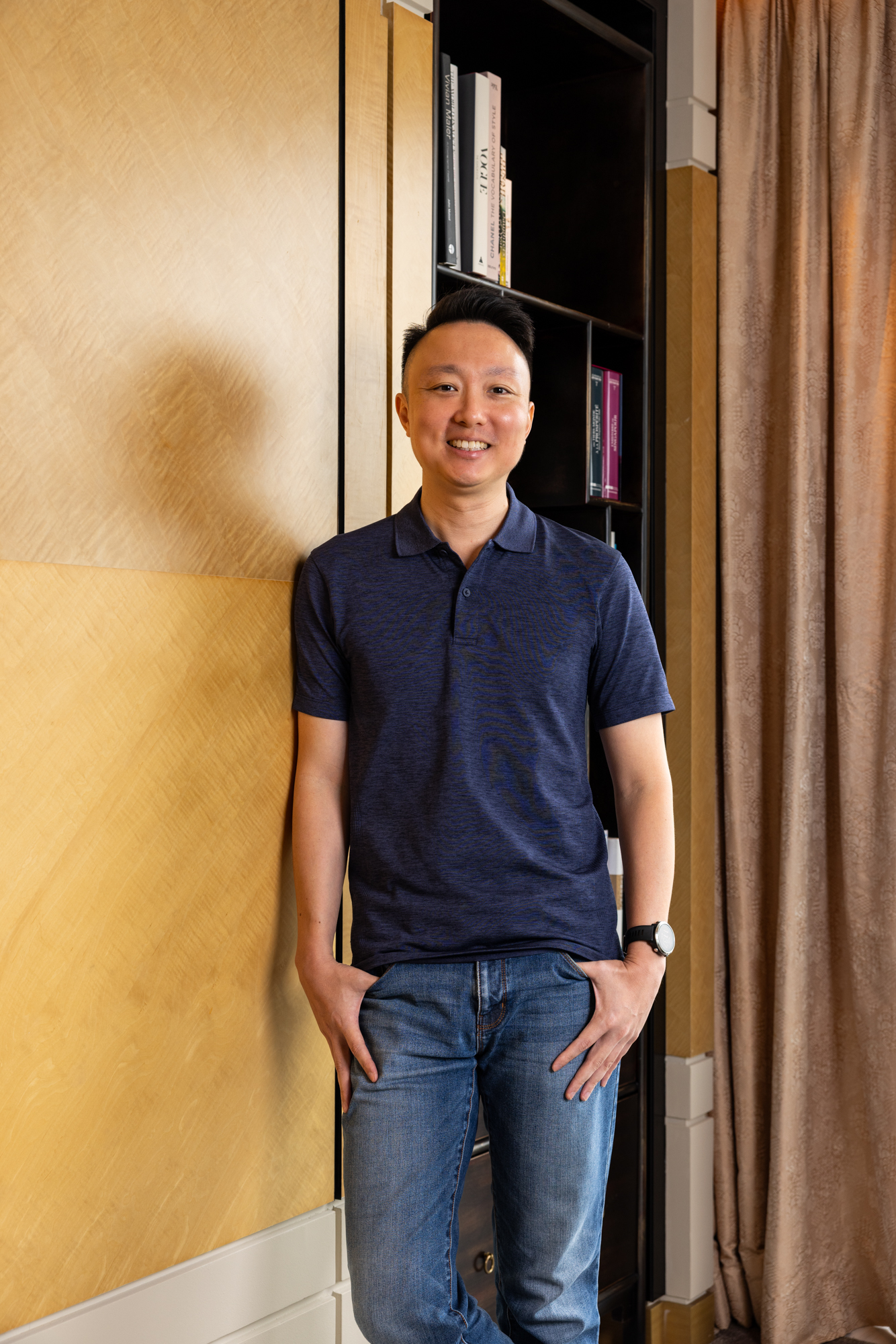
KEITH TEO
Founder, CClarity
What industry insights and trends do you see shaping 2026, and which of these hold the greatest opportunities in your field?
Fully autonomous AI agents are the future of B2B sales – but they won’t be ready by 2026. Current AI still lacks the nuanced judgment needed for high-quality personalisation, platform compliance, and relationship management. Realistically, full automation is still two to three years away.
The near-term opportunity lies in human-in-the-loop systems. AI can handle research and draft messaging at scale, but human operators remain essential for final review, personalisation, and quality control. This hybrid approach captures AI’s efficiency without compromising results or violating platform rules.
By 2026, the winners will be those who strike the right balance between AI capability and human judgment. Most companies will either over-automate too early and fail, or stay fully manual and fall behind, but the real advantage lies in mastering the middle ground.
How do you see yourself/your organization leading the way in turning these forecasts into reality?
At CClarity, we already apply this hybrid model. Our system books B2B meetings using AI for research and drafting, while humans review every message before it’s sent. Since platforms like LinkedIn prohibit automation, this approach allows us to stay compliant while scaling efficiently.
Most competitors pick one extreme, either full automation that risks bans or pure manual work that can’t scale. We’ve built proprietary tools that make the hybrid model both powerful and sustainable. Our engineering team continuously tests new AI models and updates our tools as technology evolves, a level of agility that off-the-shelf software simply can’t match.
The results speak for themselves: 12 clients onboarded in four weeks and 30% reply rates on outreach. Our edge lies in our tooling and engineering velocity, the ability to adapt faster than anyone else in the space.
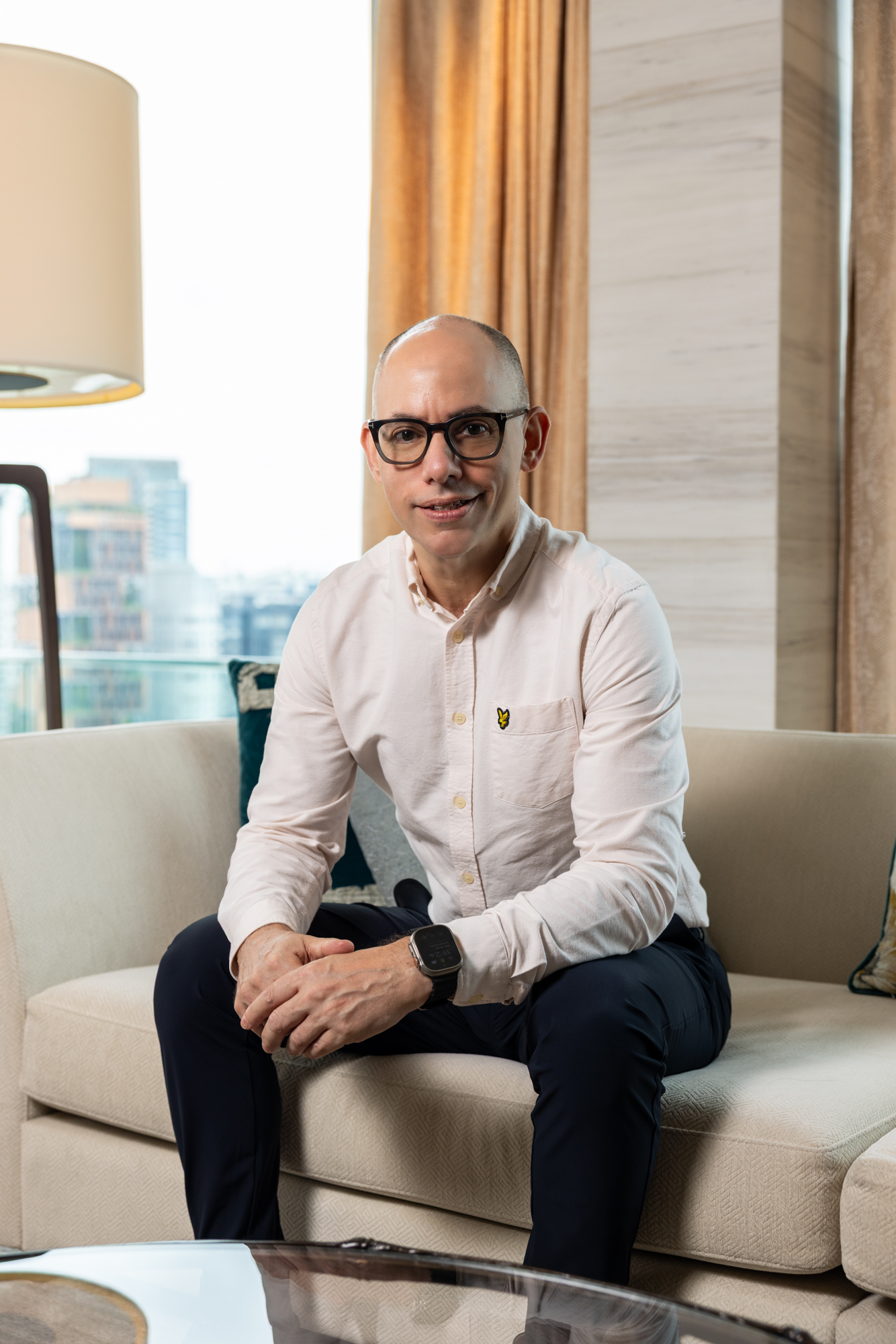
MATTHEW LEVIN
Chief Executive Officer, Spaceman
What industry insights and trends do you see shaping 2026, and which of these hold the greatest opportunities in your field?
Singapore’s housing landscape is evolving rapidly. More residents are choosing compact private condominiums, while co-living is forecasted to grow 12% annually through 2028. As property sizes shrink, homeowners and renters are planning for space efficiency much earlier – many now consult us a year before collecting their keys to explore how multi-functional furniture can make smaller homes comfortable and practical.
Beyond shrinking footprints, hybrid work and remote lifestyles are redefining what “home” means. Consumers are prioritising adaptable spaces that transition between living, working, and resting zones. This creates growing demand for intelligent, space-saving solutions that balance function with modern design aesthetics.
How do you see yourself/your organisation leading the way in turning these forecasts into reality?
At Spaceman, we see the future of urban living as one that blends design innovation with functional intelligence. Our mission is to make small spaces not just liveable, but inspiring.
We’re leading this shift through our free space planning service, helping homeowners visualise and optimise every inch of their homes before they even move in. But increasingly, it’s not just homeowners who are turning to us. We’re collaborating with hoteliers, universities, co-living brands, and developers who face the same challenge: Creating flexible, multi-purpose environments that don’t compromise on comfort or aesthetics.
Recent partnerships with Shangri-La serviced apartments and Singapore Management University (SMU) show how space-saving design is moving beyond residential use, becoming a key part of hospitality, education, and commercial living strategies.
Our ongoing investment in smart, multifunctional furniture, from work from home solutions like Slumberdesk and Incognito, to stylish sofa beds like Slumbersofa Aureola ensures we continue setting the benchmark for adaptable, modern urban design.

KEITH PANG
Director, Alpine United Pte Ltd
What industry insights and trends do you see shaping 2026, and which of these hold the greatest opportunities in your field?
By 2026, the automotive landscape will be shaped by electrification, software-driven mobility, and a shift toward lifestyle-based ownership. Consumers are no longer looking at a car as a standalone purchase, but as part of a connected ecosystem. EV adoption will continue to accelerate, supported by better infrastructure and clearer cost-of-ownership advantages.
At the same time, new entrants are reshaping expectations around value, technology, and innovation. Their rapid pace of development is raising the competitive benchmark across the industry. The greatest opportunity lies in elevating the customer experience: Shaping a portfolio of offerings, technology, and ownership journeys that blend aspiration with practicality.
How do you see yourself/your organization leading the way in turning these forecasts into reality? Our vision is to move beyond traditional sales towards experience-led mobility. We are creating an ecosystem where community, digital engagement, and personalised service come together to deepen long-term relationships with our customers. With a presence across multiple segments of the industry, including the rapidly expanding EV space, we are positioned to connect cutting-edge innovation with a sense of trust and familiarity. Ultimately, we aim to lead with service, authenticity, and customer intimacy – shaping a mobility experience that feels curated, modern, and genuinely future-ready.

KIERAN WEE
Director & Co-Founder, Aurum Gravis
What industry insights and trends do you see shaping 2026, and which of these hold the greatest opportunities in your field?
Singapore’s real estate market will likely remain a steady haven in a world of uncertainty. We’re seeing stronger demand for well-located, well-designed properties, especially from accredited investors who value stability and long-term appreciation over short-term gains.
Scarcity will continue to be a defining factor in Singapore, but what really sets assets apart now is thoughtful design and enduring quality. As investors become more discerning, their focus will shift toward properties built on lasting fundamentals, such as design integrity and intrinsic value. We believe these are the qualities that will define the next generation of wealth-preserving assets.
How do you see yourself/your organization leading the way in turning these forecasts into reality?
At Aurum Gravis, our mission is to develop homes that can stand the test of time and retain their appeal and value across generations. This means anticipating how people will want to live, work, and invest in the years ahead, choosing sites that hold value beyond location, and designing spaces that respond to evolving lifestyles without compromising on quality.
Collaboration is also key. By working with trusted partners who share our commitment to long-term planning and design excellence, we can collectively elevate the standards of Singapore’s property landscape.





 Back
Back