



SUSTAINABILITY AND RESILIENCE
Sustainability and Resilience: The Cost of Authenticity
by Priyanka Elhence
11 Sep 2026
11 Sep 2026
What does it really take to put an authentic taste of home on the table? Three chefs reveal the hidden work, costs, and compromises behind staying true to their culinary roots.

Singapore’s fine dining menus typically come with eye-watering prices. But a menu’s price tag isn’t simply a number to cover the cost of ingredients. A lot goes unnoticed behind the scenes when it comes to sourcing the right ingredients and planning an authentic menu, delicately balancing costs with what diners are willing to pay. For three chefs, authenticity is about more than the look and taste of a dish. It is a year-round effort to create menus true to their culinary roots, heritage, and identities, while navigating the realities of sourcing, logistics, and cost.
- MICHAEL WILSON, CHEF-PATRON, MARGUERITE
- CARLOS MONTOBBIO, CHEF-OWNER, ESQUINA
- MIRKO FEBBRILE, CHEF AND CO-OWNER, SOMMA

“Sourcing for the right ingredients involves extensive research and building relationships with the right people,” says Marguerite's Chef Michael Wilson. While many larger Australian producers already export internationally, some of the most interesting ingredients come from small farmers, specialist growers, and foragers who don’t traditionally export.
“It has definitely been a time-heavy labour of love, but developing these direct relationships are also one of the most rewarding parts of what we’re doing.”
One key relationship is with specialist forager Gabriel Gutnik from Ziggy’s Wild Foods. “We’re constantly talking about what’s in season, what’s at its best, what he’s finding in the wild. Sometimes I’m looking for something very specific; other times he’ll call and say he’s found something really special, and that can actually become the starting point for a dish.”
Wilson also works with Nathan Lovett, CEO of the National Indigenous Culinary Institute in Australia, for native ingredients like bunya nuts and sea celery, alongside specialist suppliers for karkalla, saltbush, marron, coral trout, and other Australian produce.
“It’s not simply about putting Australian ingredients on the menu. Expressing a genuine sense of place means understanding where that ingredient comes from, who is growing or foraging it, and when it’s at its best. Those relationships are a huge part of what makes my menu authentically Australian. We’re not buying ingredients from a catalogue; we’re working directly with people who know the Australian landscape.”
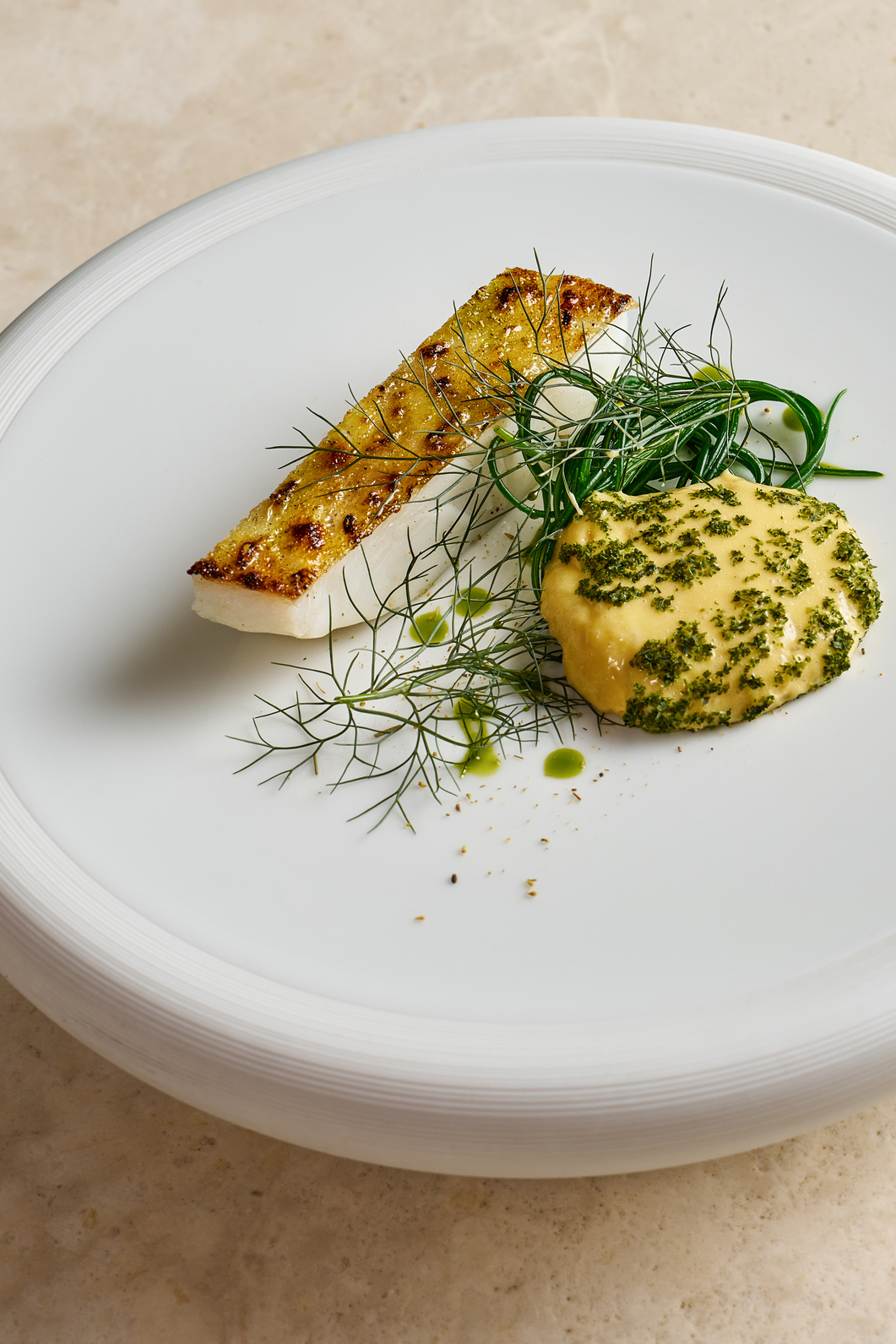
Customs and logistics have been among Wilson’s biggest challenges. For ingredients without an established route into Singapore, he has had to build his own supply chain. Fresh produce is particularly complicated, requiring careful consideration of how an ingredient is harvested, processed, packed, and transported, as well as whether it will survive the journey.
Some ingredients arrive fresh, while others are dried, fermented, pickled, or preserved at their peak, allowing Wilson to work with highly seasonal ingredients throughout the year.
“It’s about understanding the character of the ingredient first and then building a dish around what it naturally wants to do.”
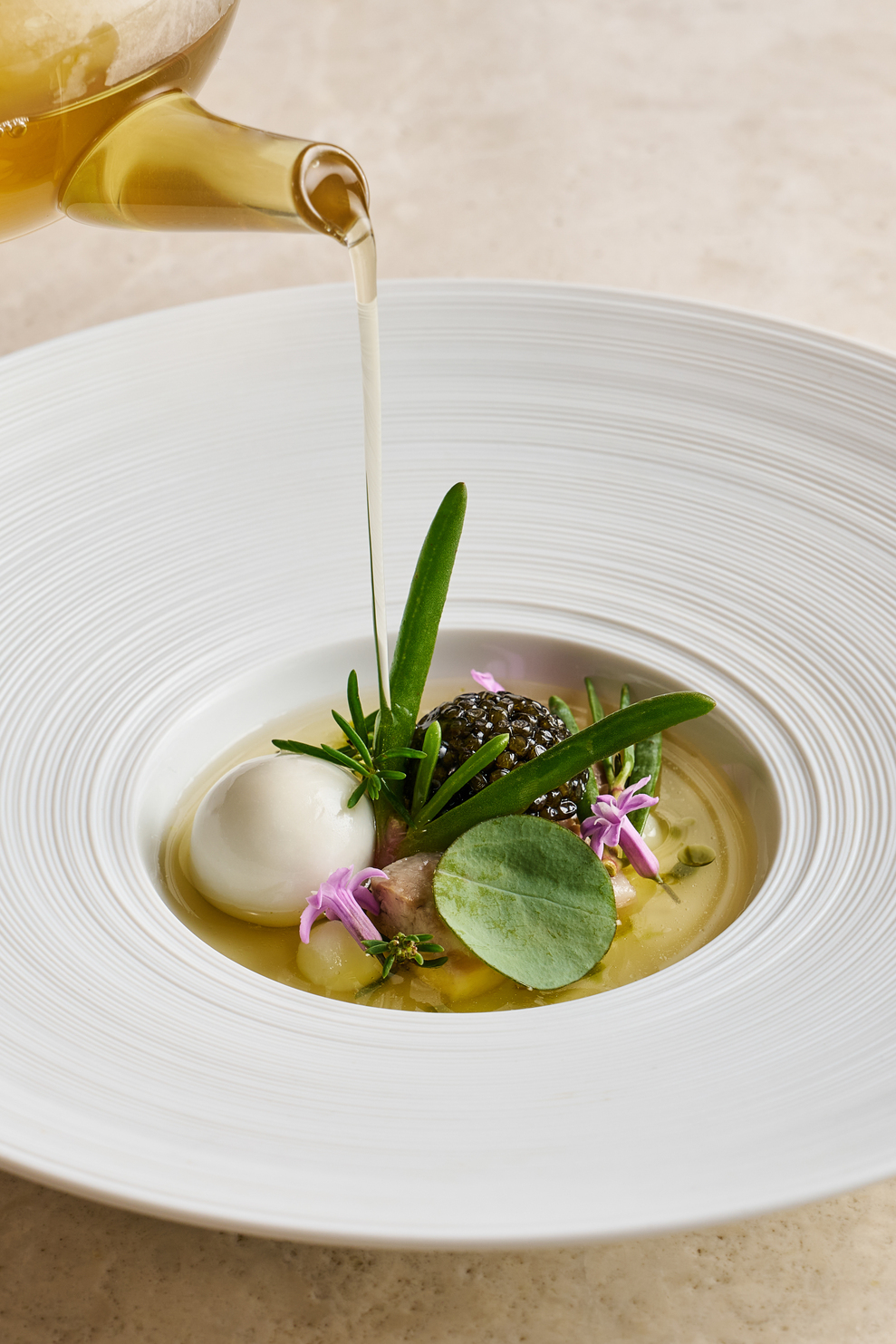
One example is his Kangaroo Tail Consommé, where a humble ingredient is transformed through blanching, toasted spices, vegetables, and overnight cooking, before being served with Thai basil, wild fennel, and laksa leaves.
“You’re taking an ingredient people may have preconceived ideas about and turning it into something deeply refined and delicious. For me, that’s exciting. We’re not just preserving ingredients; we’re discovering flavours within them that didn’t exist before.”
For Wilson, authenticity isn’t about using an ingredient simply because it’s Australian. It must have a reason to be there. And commercial considerations need not undermine that.
“You understand the numbers, you understand the ingredients, and you make intelligent decisions about where to use them.”
- MICHAEL WILSON, CHEF-PATRON, MARGUERITE
- CARLOS MONTOBBIO, CHEF-OWNER, ESQUINA
- MIRKO FEBBRILE, CHEF AND CO-OWNER, SOMMA
CARLOS MONTOBBIO, CHEF-OWNER, ESQUINA
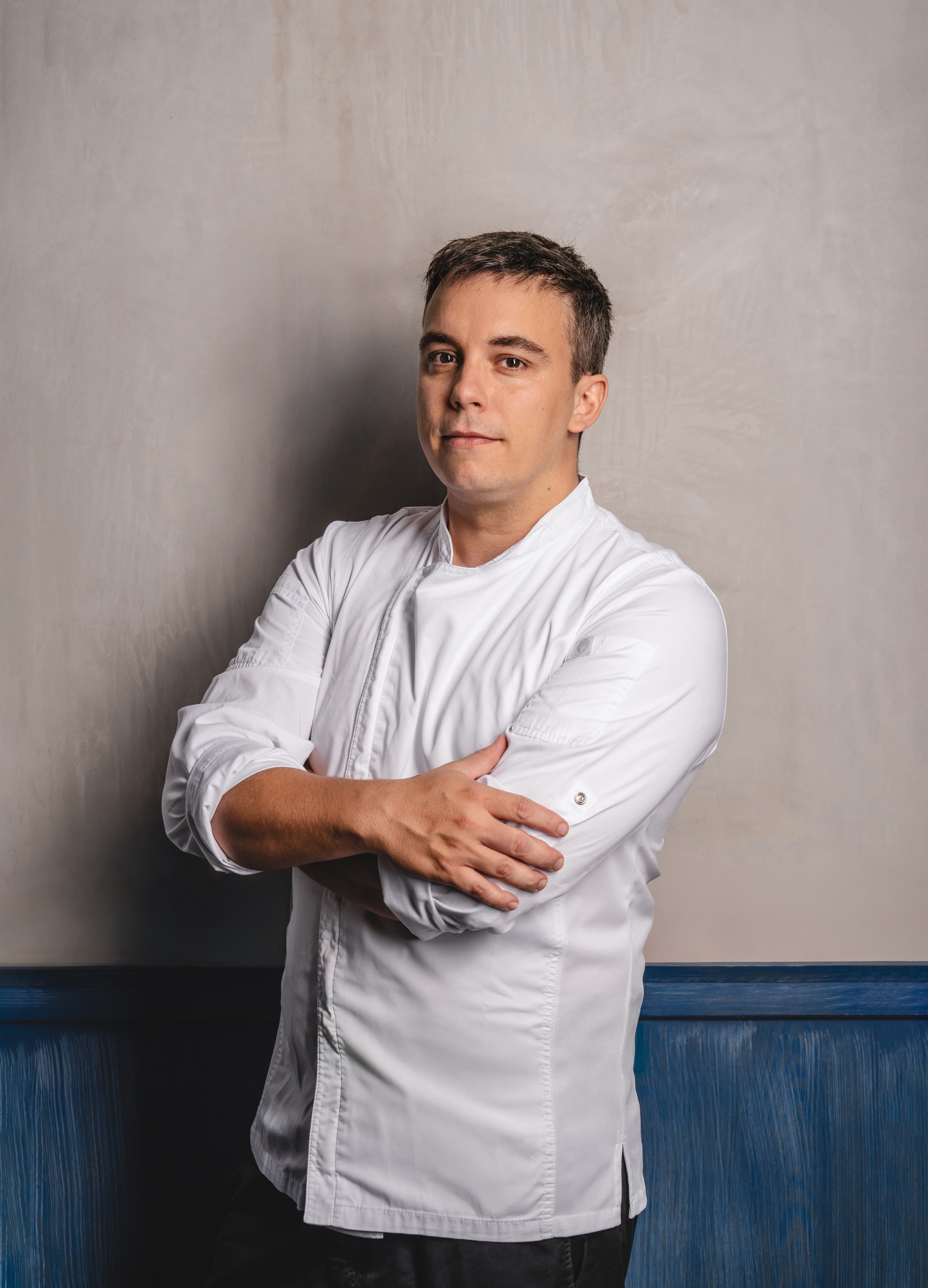
Esquina has just celebrated 15 years in Singapore, and sourcing remains fundamental to the restaurant’s identity.
“Quality and fresh ingredients are our foundations, so sourcing and testing take a significant amount of time. Maintaining consistency is just as crucial, and our team is trained thoroughly so everyone can instinctively identify top-tier produce,” says Chef Carlos Montobbio.
For him, one of the biggest challenges is the human connection and coordination required to import ingredients from Spain. Consolidating shipments from small producers and winemakers across different regions into a single container, on a fixed timeline, requires strong relationships, patience, and plenty of late-night phone calls across time zones.
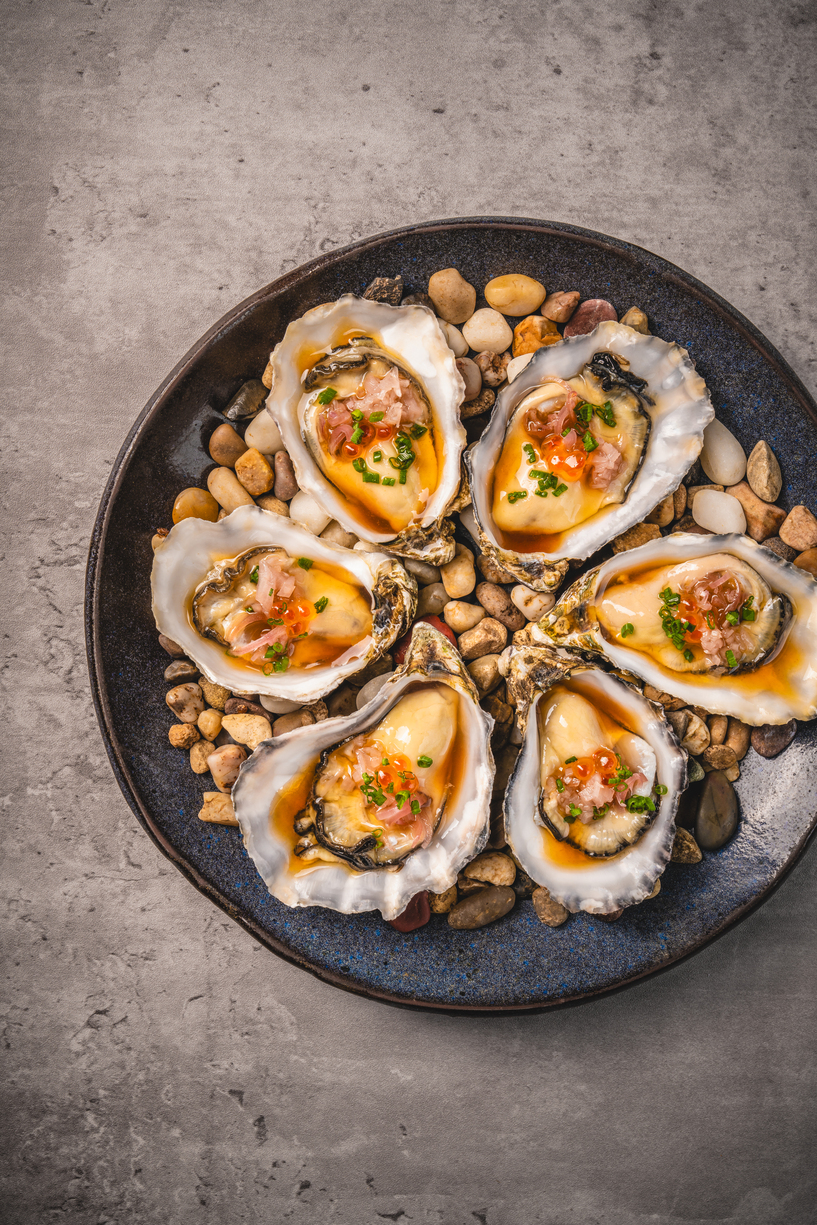
Most of his produce is sourced directly from Spain, although the beef is usually American, while the seafood, Japanese.
Education begins with Esquina’s kitchen and floor teams, and extends to its wine programme, which works predominantly with small, independent wineries whose bottles reflect their terroir and weather.
(Related: Putting sustainability on the menu)
“Whenever we introduce a new ingredient, dish, or vintage, the team test and taste the flavours to understand the profiles, because authenticity brings great hospitality. When our team is genuinely passionate and knowledgeable about their craft, sharing those nuances with diners comes naturally.”
Seasonality also presents a commercial challenge. Montobbio uses traditional preservation techniques like curing, pickling, and confit to extend the life of exceptional produce by another two to three months.
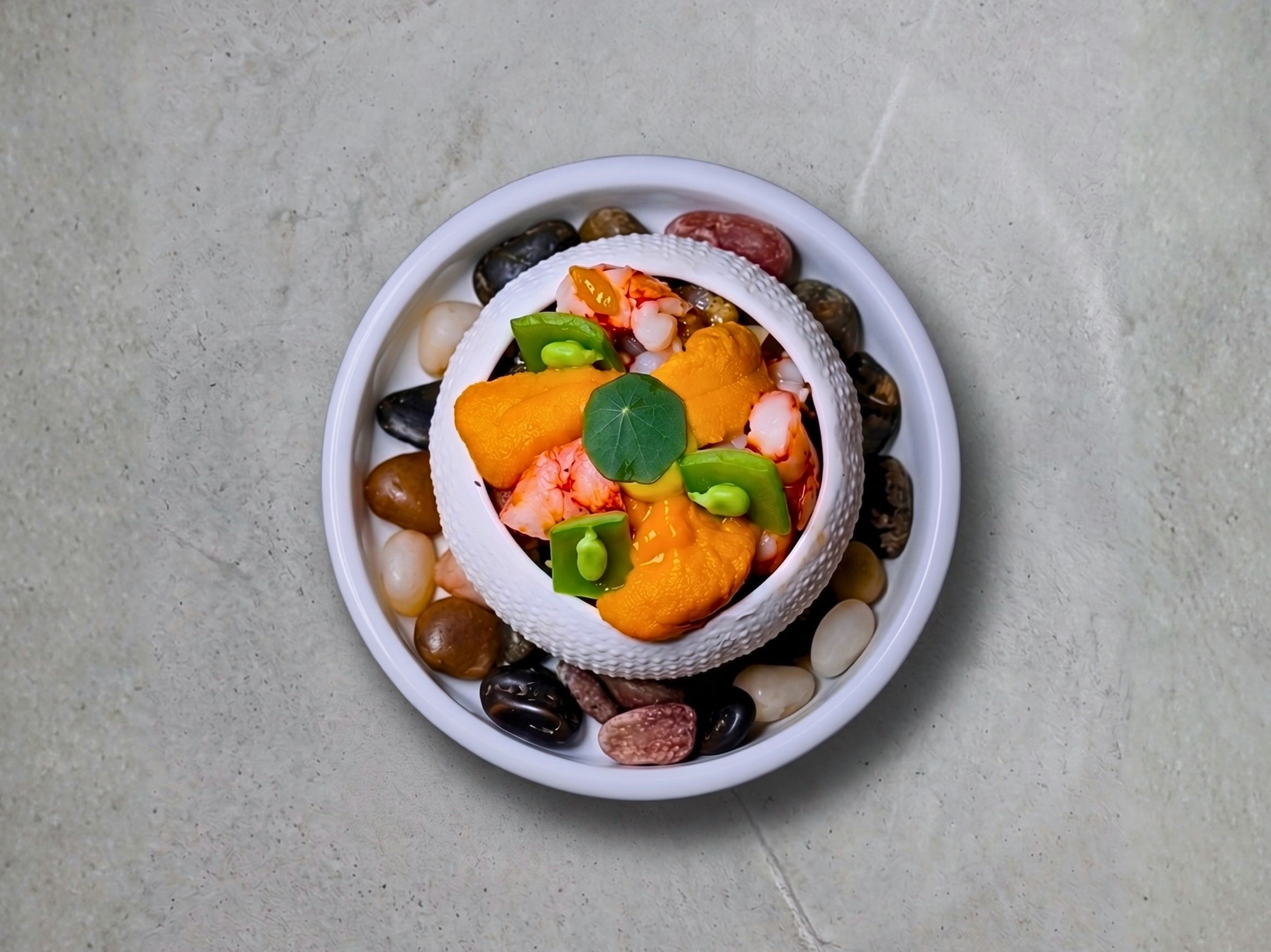
“Wild market fluctuations are a constant reality when working with fresh premium ingredients like Carabineros, Japanese uni, or fresh truffles – prices can literally double from one week to the next.”
When that happens, the restaurant adapts, either scaling back dishes or removing them temporarily. “We always prioritise our guests – if the price-to-value ratio doesn’t make sense for them, we simply won’t serve it.”
- MICHAEL WILSON, CHEF-PATRON, MARGUERITE
- CARLOS MONTOBBIO, CHEF-OWNER, ESQUINA
- MIRKO FEBBRILE, CHEF AND CO-OWNER, SOMMA
MIRKO FEBBRILE, CHEF AND CO-OWNER, SOMMA
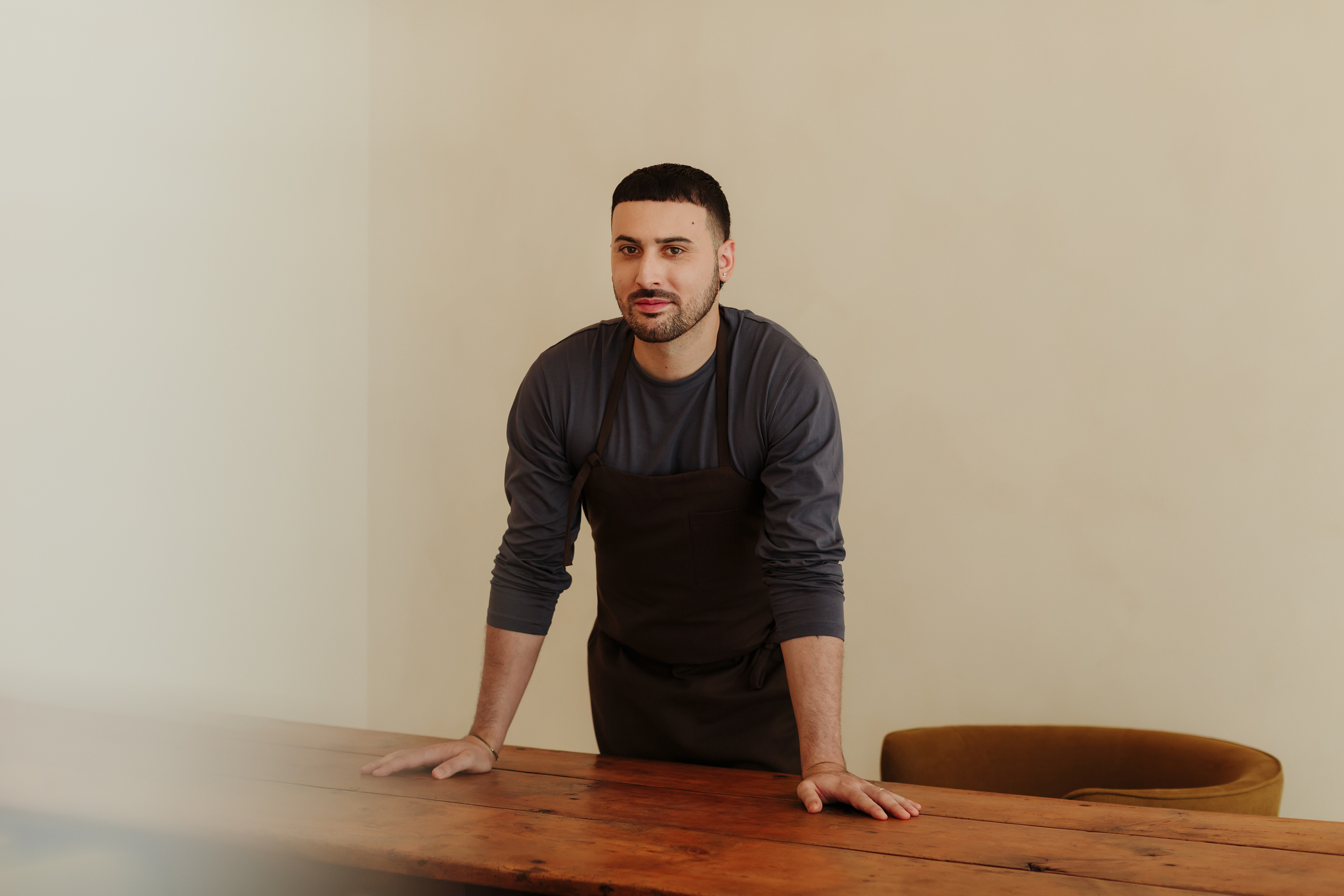
For Chef Mirko Febbrile, authenticity does not mean importing every ingredient from Puglia. It means understanding which ingredients carry the identity of a dish or season, and which can be reinterpreted in Singapore without losing their meaning.
At Somma, R&D and sourcing begin almost five months before a new menu launch, mapping a season through Puglia’s geography, agriculture, and traditions. The team identifies essential ingredients, then sources and tests what can realistically reach Singapore at its peak.
Certain olive oils, grains, cheeses, and preserved products have a cultural significance that cannot simply be substituted and are sourced directly from Italy, often through small producers and specialised suppliers.
But there is another side to it. Puglia is fundamentally an agricultural culture, so Somma also works with ingredients grown in Singapore and across Asia that share the same character.
“The question isn’t, ‘Is this Italian?’. It’s, ‘Does this ingredient allow us to tell the story truthfully?’ That process, deciding what must travel 10,000kms and what can come from much closer, is a large part of the work behind Somma.”
The challenge is that restaurants work with time, while agriculture works with nature. Many desired products are seasonal, produced in small quantities, and not regularly exported to Singapore. Minimum orders, freight schedules, customs requirements, and shelf life add further complications.
“We are very precise about what we import, but we don’t import simply for the sake of provenance – quality always comes first.”
Sourcing, therefore, is not simply finding a producer and placing an order. It means understanding harvest periods, anticipating quantities, coordinating with suppliers, and sometimes preserving an ingredient at its best for later use. Choosing a particular variety, producer, or maturity rather than the easiest available alternative makes the supply chain more complicated and expensive. But that specificity is also what brings flavour and identity.
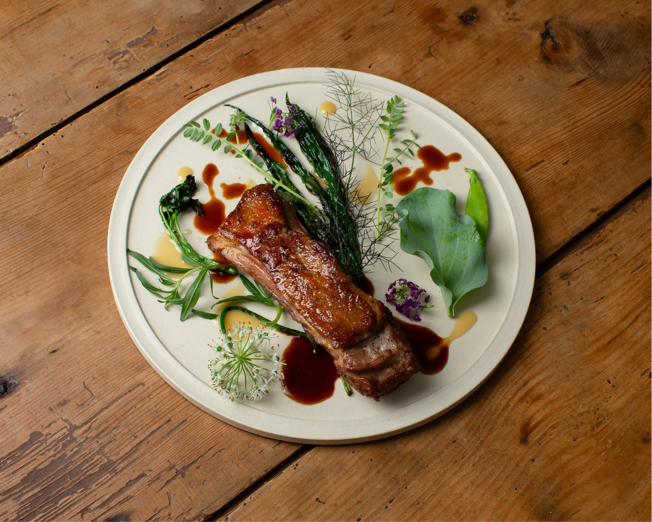
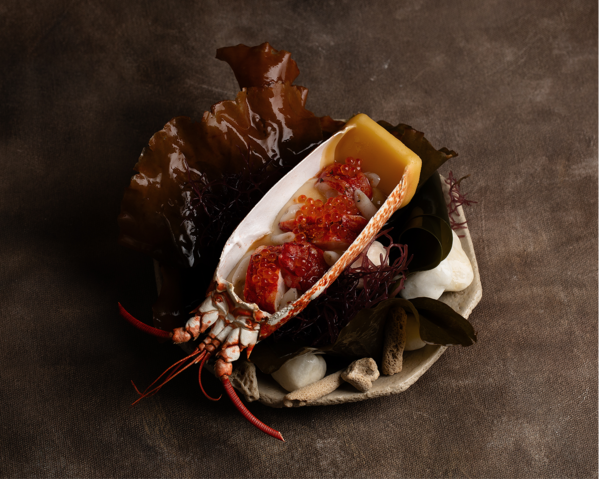
Febbrile’s vision takes what makes a dish or ingredient Puglian – its flavour, how it is grown or used, and the memory or tradition behind it – and expresses it in a way appropriate for Somma while retaining its Puglian soul.
“For me, education works best when curiosity comes after pleasure. If a guest tastes something and wants to know why, then we have opened the door.”
When an ingredient genuinely changes the experience, it is sourced. At other times, creativity does the heavy lifting: Preserving, working with the whole ingredient, or redesigning a dish rather than forcing an expensive substitution when nature doesn’t follow the menu-development calendar.
Febbrile credits this approach to the Cucina Povera mentality of his Puglian upbringing – creativity, resourcefulness and extracting value and flavour from available ingredients rather than relying on luxury ingredients.
Somma’s dishes may combine ingredients from different parts of the world while remaining rooted in Puglia’s agricultural and culinary language. Italian yellow corn works alongside Japanese white corn, while another dish brings together Mediterranean bluefin tuna, tomatoes, nectarine, mulberry, and rocket oil.
“These aren’t historical Puglian recipes, but dishes rooted in Puglia’s agricultural and culinary language, shaped by the ingredients, techniques and modern day cooking.”
“At Somma, each season is much bigger than just a menu change. The real cost of authenticity is not necessarily the price of an imported ingredient, but how much choice you’re willing to remove from yourself. If you decide that a restaurant genuinely represents a place, you can’t simply use whatever is easiest, available, or fashionable.”



 Back
Back