There is a culturist standing under a banyan tree on Dunhua Street at seven in the morning, pouring soy milk and explaining the cultural weight of a breakfast that most of the city eats without thinking about – the fried dough sticks, the porridge, and the rituals that have held this neighbourhood together across generations. The city rushes past on its way to work. You are not rushing anywhere. It is exactly the kind of morning that Taipei rewards and most hotels make impossible.
“What has surprised me most about this city,” says Dennis Laubenstein, General Manager of Capella Taipei, “is its quiet confidence. It does not demand attention yet offers extraordinary depth for those who take the time to explore it.”
Capella Taipei opened in April 2025 on Dunhua North Road in the Songshan district – a deliberate plant well north of Xinyi, the glossy, perpetually caffeinated neighbourhood that has long cornered the market on Taipei’s luxury positioning. For the uninitiated, the competitive field assembles from late 2026, launching Four Seasons, Park Hyatt, Andaz, and InterContinental into the district that already has everything – the towers, the footfall, and the infrastructure of spectacle. And yet, none of it lands here, in Songshan, beneath the banyan trees.
Laubenstein, when asked whether the assembling competition changes how he runs this hotel, is unruffled. “In a more crowded field, authenticity becomes even more important.” The new arrivals, he suggests, validate the destination. What they cannot do is replicate the choice Capella made by not going to Xinyi in the first place.
- IN THE MODERN MANSION
- KNOW THY NEIGHBOURS
- MAKE THE RESERVATION
- WHAT STAYS WITH YOU
In the Modern Mansion
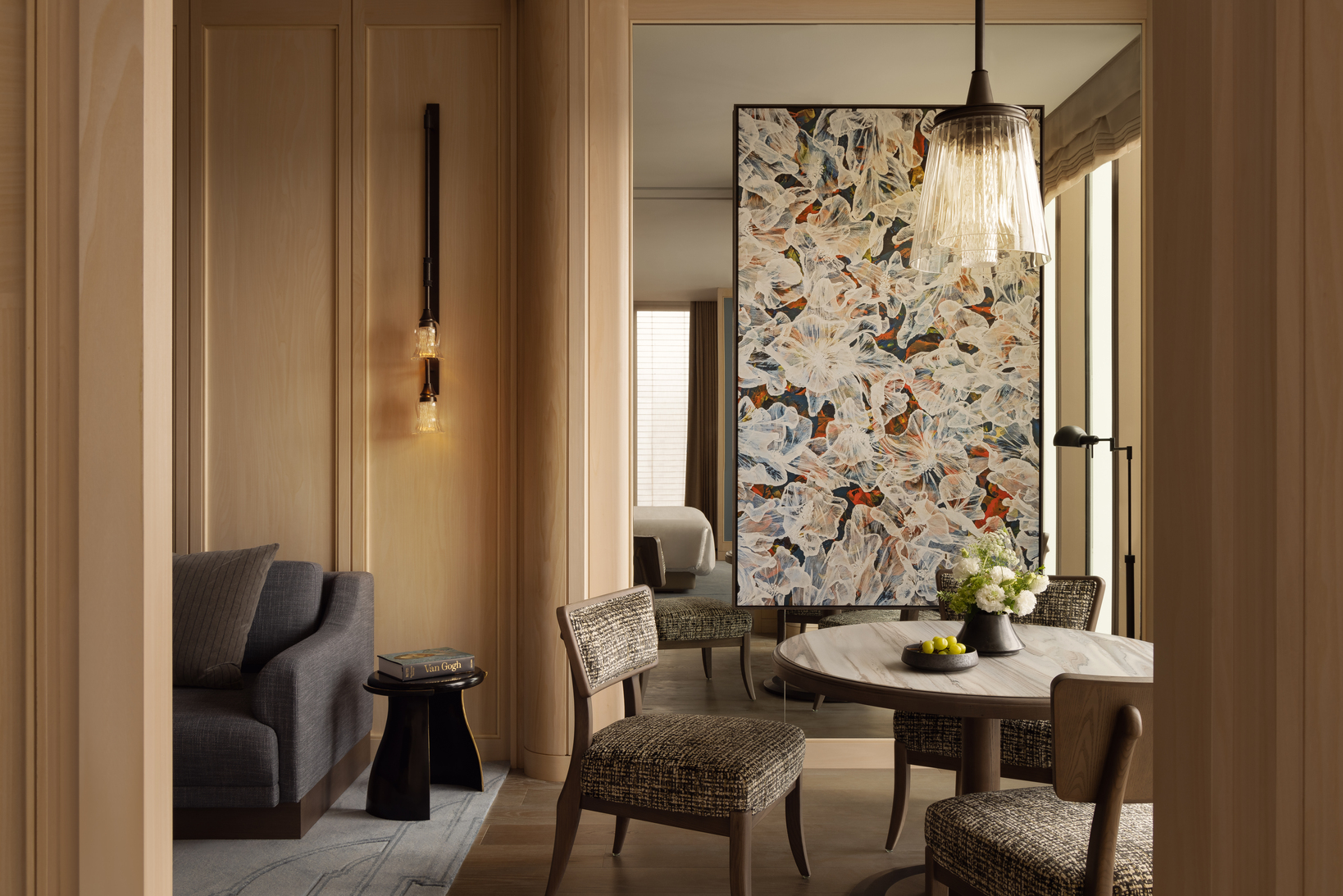
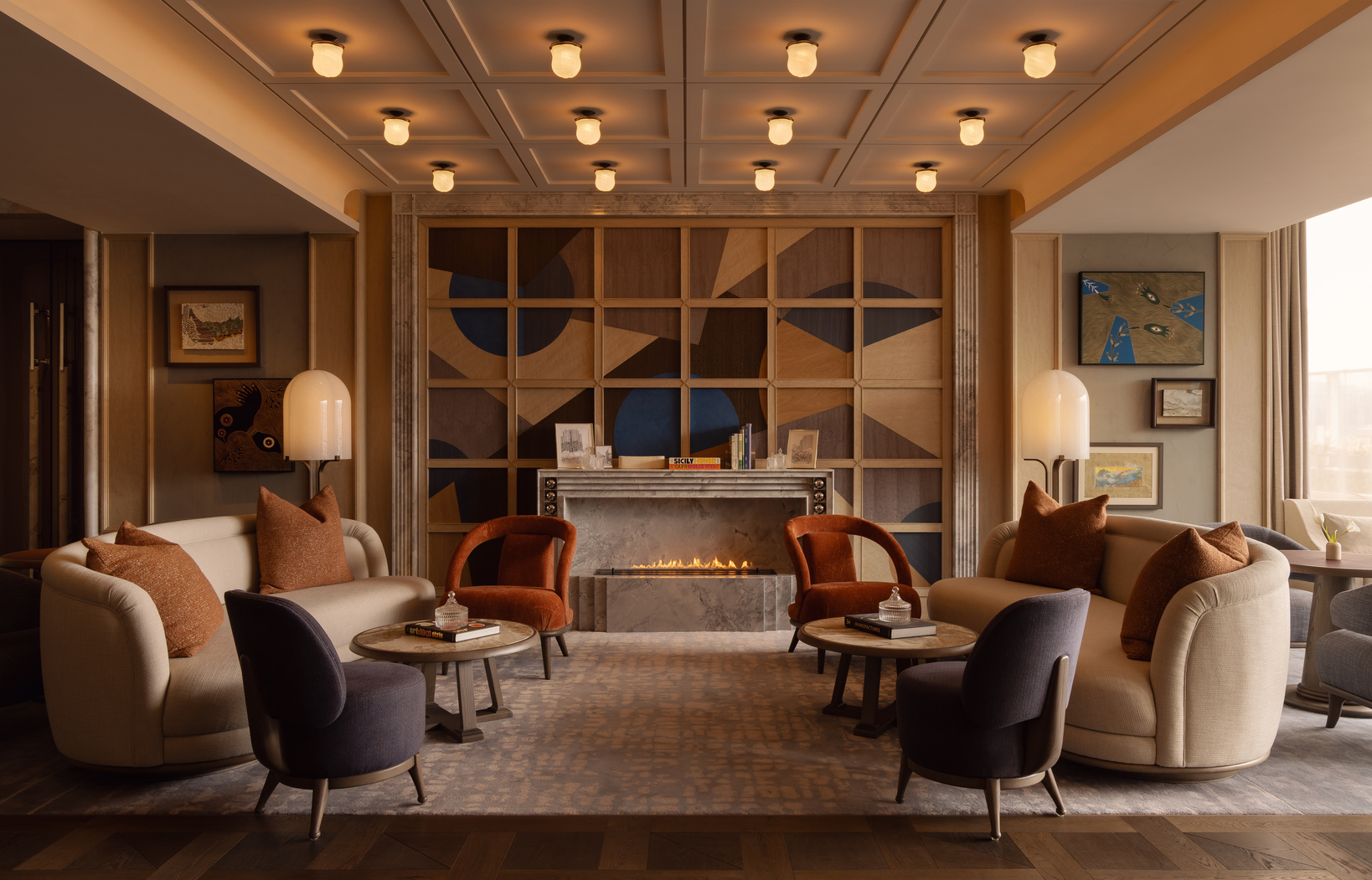
The property was conceived by André Fu Studio around the idea of a “modern mansion” – a private residence of the imagination, calibrated somewhere between a cultivated family home and a very well-appointed club. Fu’s vocabulary is everywhere: Warm timbers, measured light, spaces that welcome without performing. Laubenstein frames the design philosophy precisely: “Taipei’s identity is not defined by a single narrative, but by layers of history, influence, and everyday rituals.” The building reflects this; as we survey the grounds, nothing here announces itself.
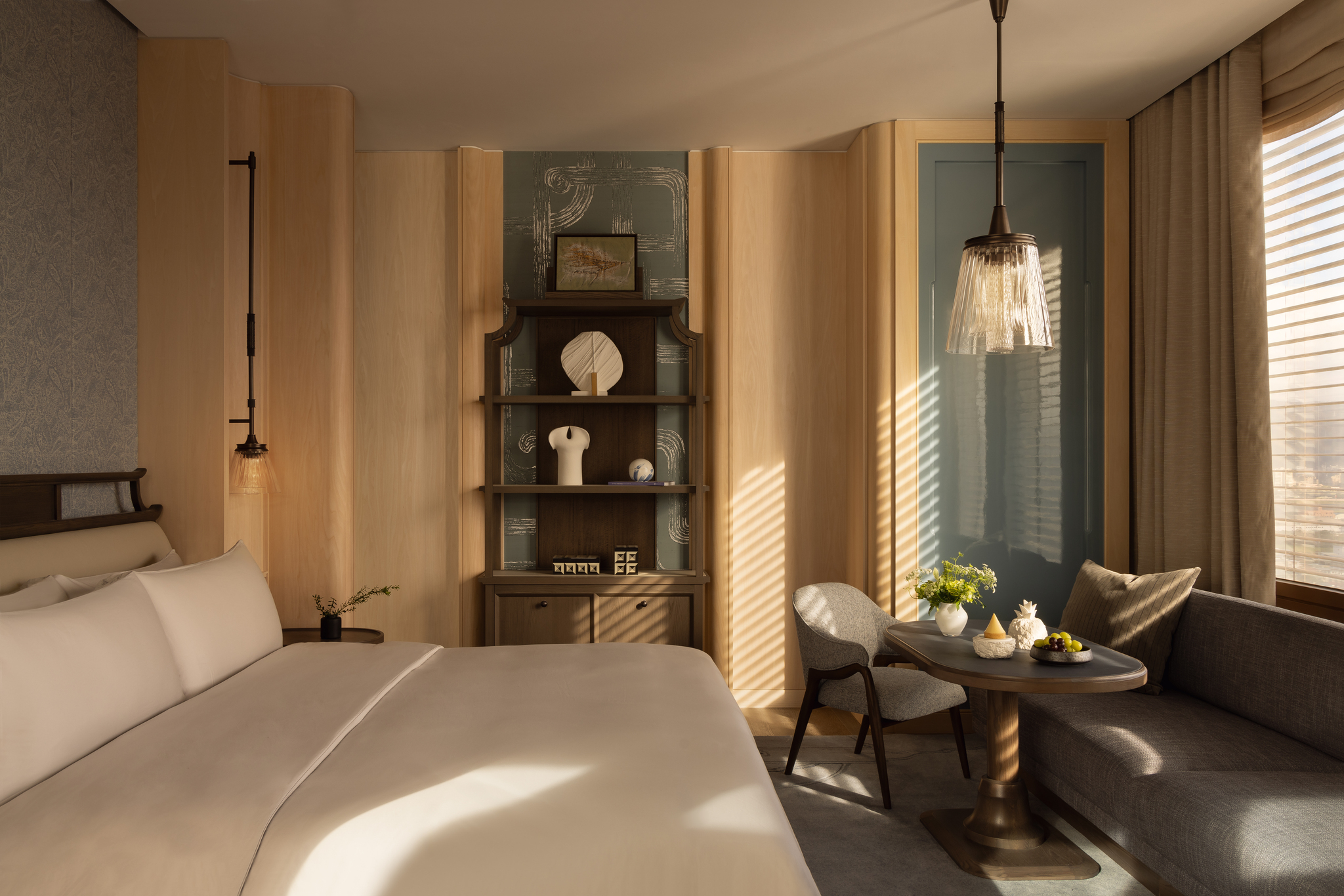
The Deluxe Room – 53 square metres, composed and generously proportioned – is engineered for genuine rest. Sprawling windows frame Taipei’s surrounding mountainscape; the AI-powered room system fields everything from lighting calibration to service requests with fluency. The lighting range is a particular achievement: A spectrum from the softest amber warmth to a clean, productive brightness that makes actual work possible after dark – a detail that suggests the hotel has paid close attention to how its guests actually live. More impressive still is the soundproofing. Perched above a commercial district that functions at full volume, the room at night is sealed in absolute silence. For any business traveller – or anyone who has spent a day in Taipei cheerfully overstimulated – this is no small amenity.
Arrival delights with bolo bun-inspired pineapple choux pastries and handcrafted chocolates, both charming and rather delicious. The nightly turndown rituals are worth dwelling on: One evening, a botanical bath bomb made with mugwort and lemon essential oil; another, an apothecary-wrapped parcel of citrus throat lozenges and herbal sachets for a room-side foot bath. Each feels genuinely considered rather than an assembled ceremony.
(Related: First Impression – Waldorf Astoria Qiantan)
- IN THE MODERN MANSION
- KNOW THY NEIGHBOURS
- MAKE THE RESERVATION
- WHAT STAYS WITH YOU
Know Thy Neighbours
Capella’s culturist programme is the group’s signature everywhere. At Taipei, mornings begin beneath one of the great banyan trees on Dunhua Street, where a culturist lays out a traditional breakfast and unpacks the neighbourhood around you: The history of Songshan Airport a stone’s throw away, the Minsheng community’s particular character, and the great arching trees themselves, whose canopies have defined this street for generations. It is unhurried, locally specific, and a considerably more honest introduction to Taipei than anything a concierge desk could arrange.
Evenings belong to a different kind of education. The Hakka lei cha ceremony enlightens those assuming familiarity – what Singaporeans know as a savoury, rice-heavy main dish is here a sweeter, more dessert-adjacent affair built on toasted rather than cooked rice, accompanied by nine dried ingredients ground by hand. The distinction is not incidental: Sugar, the culturist explains, was a marker of status in imperial Taiwan, a luxury ingredient woven deliberately into the food of the affluent. The thread connects to the gold mining era that shaped this region, and to the Kaoliang – Taiwan’s formidable grain spirit – that miners drank to sustain morale during those years. You try it. You finish the glass. You probably won’t ask for another. You do, however, understand Taipei considerably better than you did an hour ago.
Laubenstein captures the shift plainly: “Travellers today are less interested in ticking off landmarks, and more focused on how a place makes them feel.” Take the Songshan Reverie walk – which comes at an additional cost, and is entirely worth every cent of it – for instance. Personally guided by Laubenstein himself, the route uncovers an artisanal local butter cookie shop hidden behind a tailor’s workshop, a whimsical postcard studio with over 7,000 cards in its archive, a seasonal gallery exhibiting only local work, and a Sunny Hills outpost dispensing Taiwan’s most celebrated pineapple pastry.
- IN THE MODERN MANSION
- KNOW THY NEIGHBOURS
- MAKE THE RESERVATION
- WHAT STAYS WITH YOU
Make the Reservation
Breakfast at Plume sets a high register from the off: House champagne and freshly shucked French oysters coexist cheerfully alongside expertly executed local fare of braised beef noodle soup and pan-fried radish cakes with XO sauce. Rong Ju, the modern Cantonese restaurant, impresses with imaginative presentation deployed with discipline rather than theatre: Sweet and sour pork dusted with frosted pineapple bits for a clean acidic note, and a masterful fried rice featuring two textures – steamed and deep-fried crispy – with braised abalone. Mizue, the ryokan-inspired omakase, was fully booked three months out at time of visit. Make the reservation before landing.
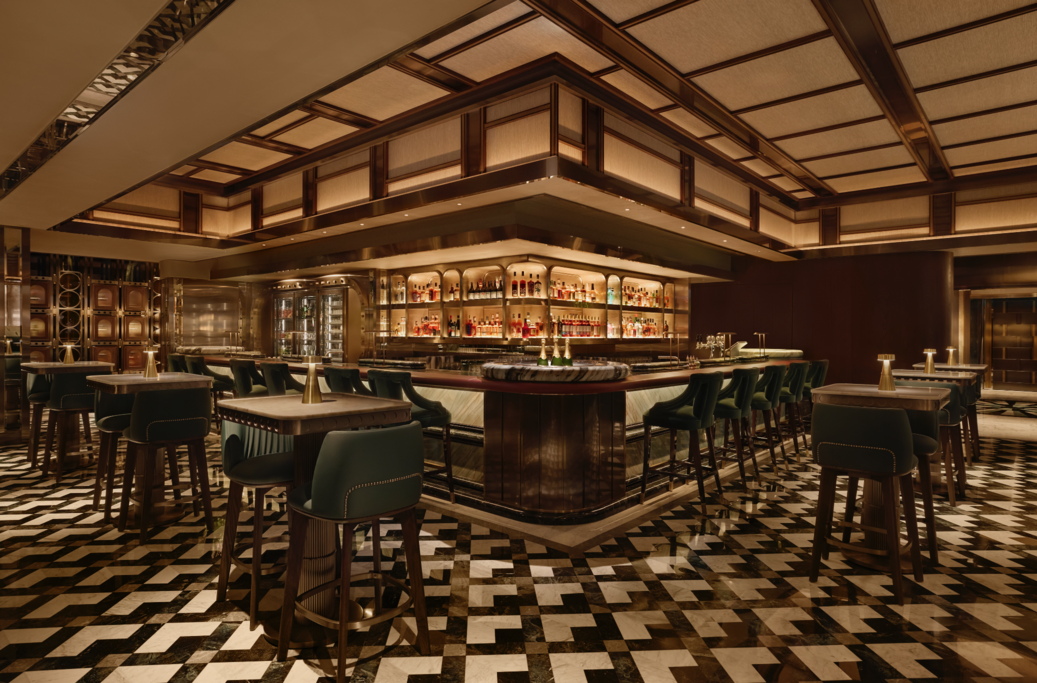
The Glasshouse complex is the property’s most daring contribution to Taipei’s drinking landscape. Four distinct bar concepts occupy a single building: Tilt leads with imaginative cocktails featuring Taiwanese produce – though for the serious imbiber, it is worth knowing that a tailoring-inspired speakeasy exists somewhere within it, invite-only, and built around three classics executed with house-crafted bitters and top-shelf spirits calibrated entirely to your preference. Ask, and there may be a Sazerac with your name on it; Playback anchors upon retro-vinyls, transforming into a live jazz room on weekends; and Cooper stocks rare and vintage spirits on a tiered menu running from a well-made Manhattan to an opulent Penicillin made with the Hibiki 30-year-old.
- IN THE MODERN MANSION
- KNOW THY NEIGHBOURS
- MAKE THE RESERVATION
- WHAT STAYS WITH YOU
What Stays With You
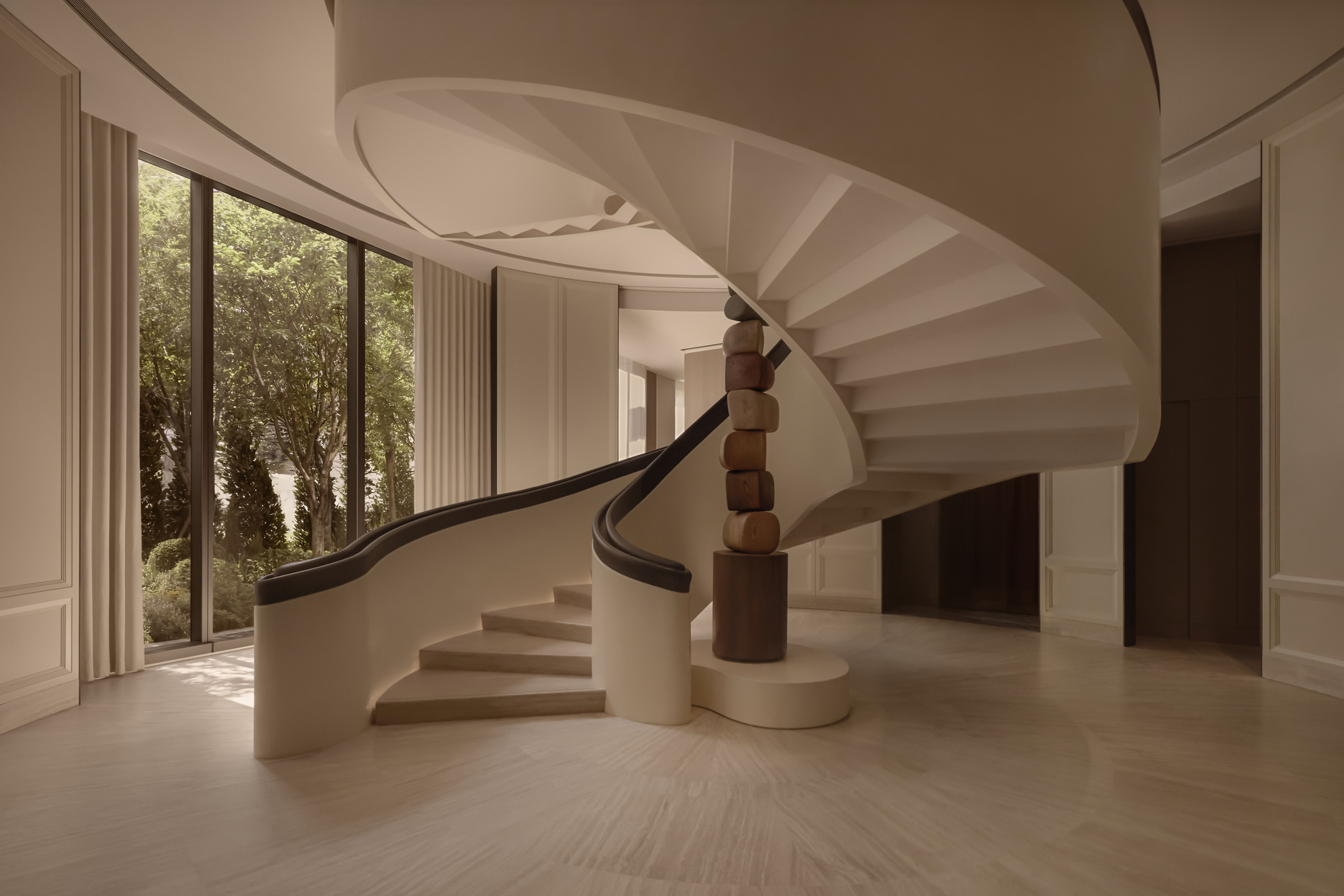
There is a particular kind of hotel that reveals itself slowly – that earns its reputation not in the lobby or the restaurant, but in the accumulation of smaller things: The pin-drop silence after 11pm, the rejuvenating bath bomb left bedside, the staffer who remembers on day two that you preferred a glass of burgundy over champagne at the Living Room. Capella Taipei is that kind of hotel. At approximately US$700 per night, the commitment is real. So is the return.
When asked what Capella will have built in five years that money alone cannot replicate, Laubenstein doesn’t reach for the product. “The memories a guest carries with them – the conversations, the discoveries, the sense of belonging.” He’s right. Three weeks later, it’s not the abalone rice or the cocktails that surfaces unbidden. It’s the warm soy milk under the banyan tree, the miners’ story accompanied by Kaoliang, and mornings where Songshan moved at its own pace while the rest of the city rushed past. Taipei, it turns out, rewards exactly the kind of attention Capella was built to facilitate.
For more information, click here





 Back
Back