Singapore’s cleanliness is one of its least recognised strengths. It is built into daily life – in schools, offices, public spaces and institutions where order, safety and comfort are maintained every day. But behind that standard is an industry at a real turning point.
For too long, cleaning has been seen as manual, low-skilled, and invisible work. That view is now holding the sector back. Rising expectations, tighter manpower, and stronger sustainability demands are changing what clients need. Cleaning today is no longer just about completing tasks. It is about delivering outcomes with consistency, accountability, and care.
At CSP Maintenance, that shift means using technology to strengthen operations, not replace people. Smart dilution systems improve control and reduce chemical waste. Robotics can take on repetitive, physically demanding work. Operational data gives teams better visibility over performance and service standards. These tools raise productivity, but just as importantly, they allow frontline staff to focus on the judgement, responsiveness, and ownership that machines cannot replicate.
This matters especially in a sector supported by an ageing workforce. Experienced cleaners bring practical intuition and deep site knowledge that remain invaluable. The priority should not be replacing them, but redesigning work so they can continue contributing with confidence. Ergonomic tools, automation and intuitive systems can make jobs safer, more manageable, and more dignified.
Artificial intelligence is also starting to reshape cleaning in practical ways. Predictive maintenance can reduce equipment downtime. Data-led deployment can help teams respond to actual site needs rather than fixed routines. Smarter planning can improve reliability across multiple facilities. But technology alone is never enough. Real transformation depends on training, change management and clear communication so workers see these tools as support, not competition.
As the sector evolves, so do its talent needs. A modern cleaning company cannot hire as though it still operates the way it did twenty years ago. Robotics, digital systems, and AI all require technicians, engineers, and operations professionals who can maintain equipment, optimise workflows, and support implementation. This is not about rebranding the sector. It is about staying capable and relevant.
Professionalism must evolve too. Cleaning has never been just about fulfilling a contract. In high-traffic, high-stakes environments, clients want assurance that standards are being maintained consistently and transparently. CSP’s experience across MOE schools and other public-sector settings shows how important reliability and trust have become. In these environments, service gaps are felt immediately, and confidence is earned through disciplined delivery day after day.
Sustainability is now part of that same standard. In cleaning, it means practical, measurable action: Reducing water, energy, and chemical use, and improving transparency in reporting. These are no longer side issues. They are central to how providers are judged.
The bigger opportunity is clear. Singapore’s cleaning industry must become more outcome-based, more sustainable, and more professional, while staying firmly people-centred. This is not simply a story about modernising cleaning. It is about recognising essential work as skilled, future-facing work and giving it the respect it deserves.




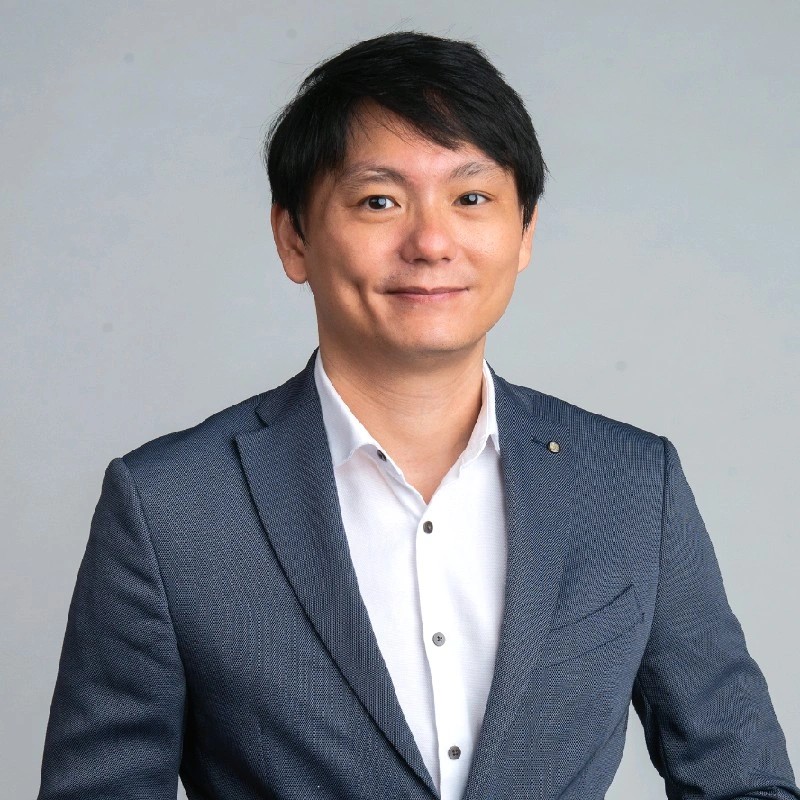 Justin Chay, Managing Director, CSP Maintenance



 Back
Back