XU NAIYAN
Director and Co-Founder, Create Architecture Pte Ltd
What does “passion” and the “pursuit of excellence” mean to you, and how has your definition of it evolved throughout your career and personal journey?
For me, “passion” and the “pursuit of excellence” is a continuous journey. There is always another detail to understand, another material to explore, another way of seeing. Both keep architecture and life interesting.
Architecture has taught me that the things that matter most are often subtle. For example, the proportion of a space, the way natural light changes a material, the precision of a junction, or even the silence between elements can have a profound effect on how we experience a place. These are details that may not announce themselves, but they contribute to a sense of harmony.
Grand Seiko’s pursuit of excellence is rooted in attention to detail, where even the smallest elements contribute to the whole. What are the details that you refuse to compromise on, and why are they important to achieving excellence?
In architecture, I believe excellence is often found in the details that are not immediately noticed. The things I refuse to compromise on are proportion, materiality, and the way elements come together.
Being a patron of the brand for over the past 10 years, Grand Seiko’s philosophy and pursuit of excellence inspires my craft, and I often draw my inspirations from Grand Seiko’s mastery of horological craft.
Your industry typically requires a willingness to challenge convention and find better ways of doing things. How do you approach design and innovation in your own work, and how have they shaped your pursuit of excellence?
I have always felt that innovation in architecture is not necessarily about creating something that has never existed before. More often, it comes from looking at something familiar with fresh eyes and asking whether there is a better, more meaningful way to do it.
I believe the pursuit of excellence is not about constantly making things more complex or more spectacular. Sometimes, it is about finding simpler, more precise solutions to a difficult problem. It requires curiosity to explore new possibilities, but also discipline to know when you have arrived at the right one.
Ultimately, I see design as a continuous process of questioning and refinement. You learn from what has come before, you challenge what can be improved, and then you try to make something that feels both relevant to its time and capable of lasting beyond it.
Grand Seiko’s approach to watchmaking is guided by pillars such as precision, craftsmanship, aesthetics, refinement, and innovation. Which of these resonates most strongly with you, and why?
Refinement resonates most strongly with me. In architecture, refinement is where an idea moves beyond being simply good and becomes timeless. Refinement also takes time. As I have progressed in my career, I have become more comfortable with that. I no longer see the need to arrive at an answer quickly.
Some of the best decisions emerge through observation, patience, and repeated consideration. Refinement is not simply about making something look better. It is about making it feel inevitable – as though, after all the questioning and experimentation, there could be no better way for it to be.
Looking at your own pursuit of excellence, what is one lesson or principle that you believe applies to anyone who is committed to mastering their craft?
For me, mastery is not about reaching a point where there is nothing left to improve. It is about developing the discipline to keep looking, keep learning, and keep refining. That mindset to always remain curious allows the pursuit of excellence to remain a journey rather than a destination.




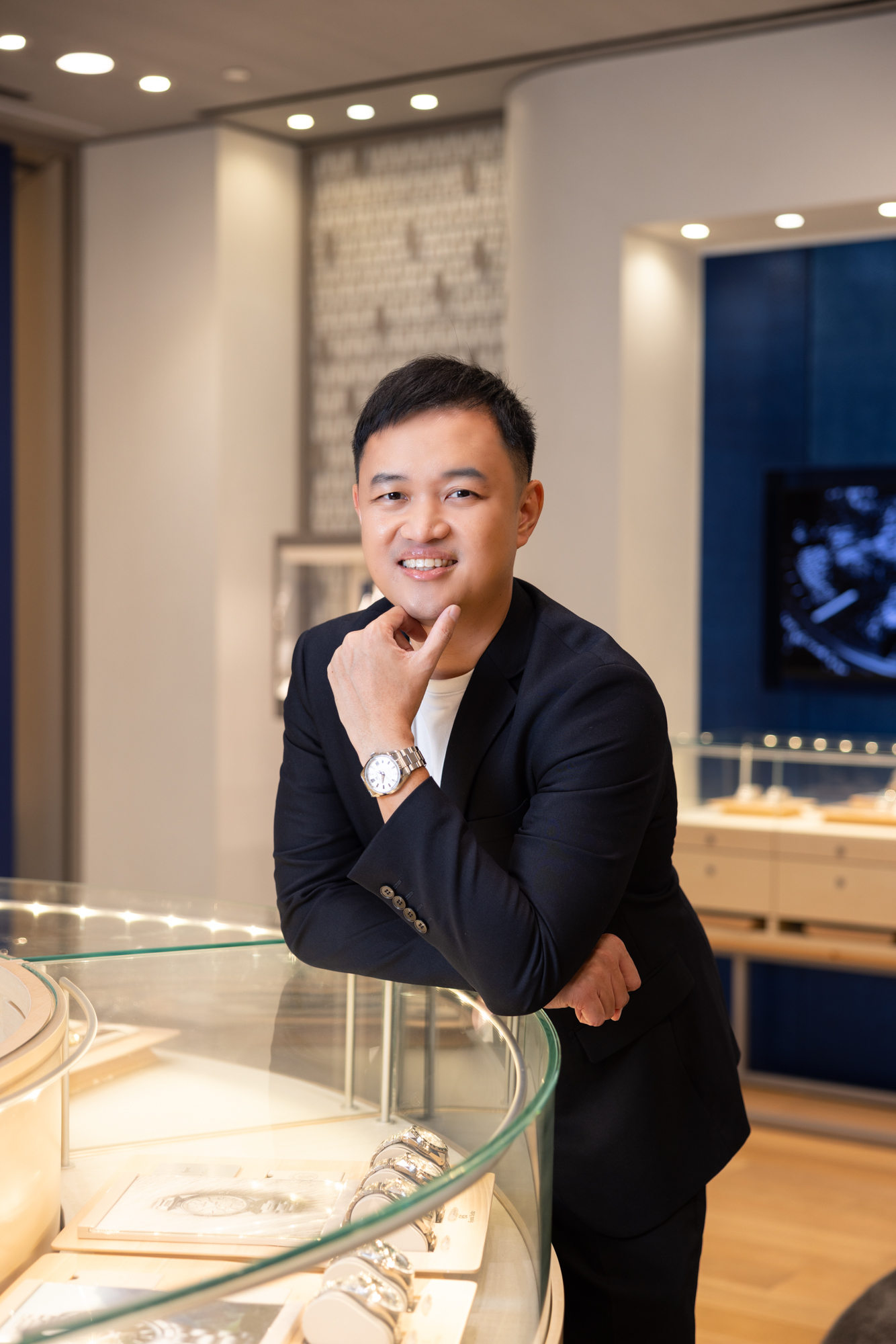

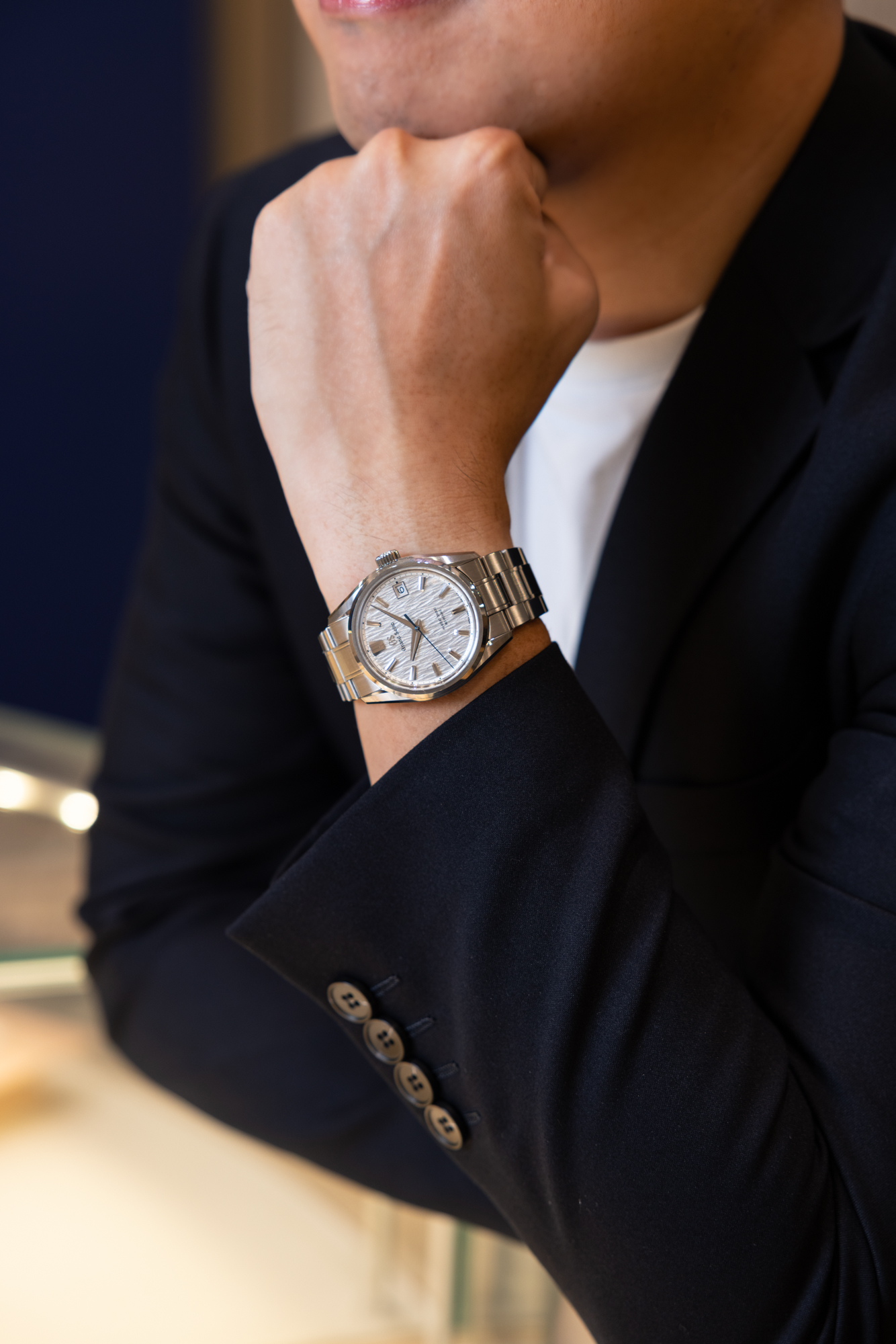 Naiyan is wearing the SLGB031 (White Birch, Mechanical)



 Back
Back