Drooping willows trail their fingers into ponds; plum blossoms and azaleas announce themselves with gentle insistence; majestic cedars frame courtyards and stone bridges. Water is everywhere at this resort, pooling, trickling, reflecting. And beyond it all is the constant, theatrical presence of Yulong Snow Mountain. If you’ve ever harboured fantasies of living out an imperial daydream in ancient China, Banyan Tree Lijiang is remarkably obliging.
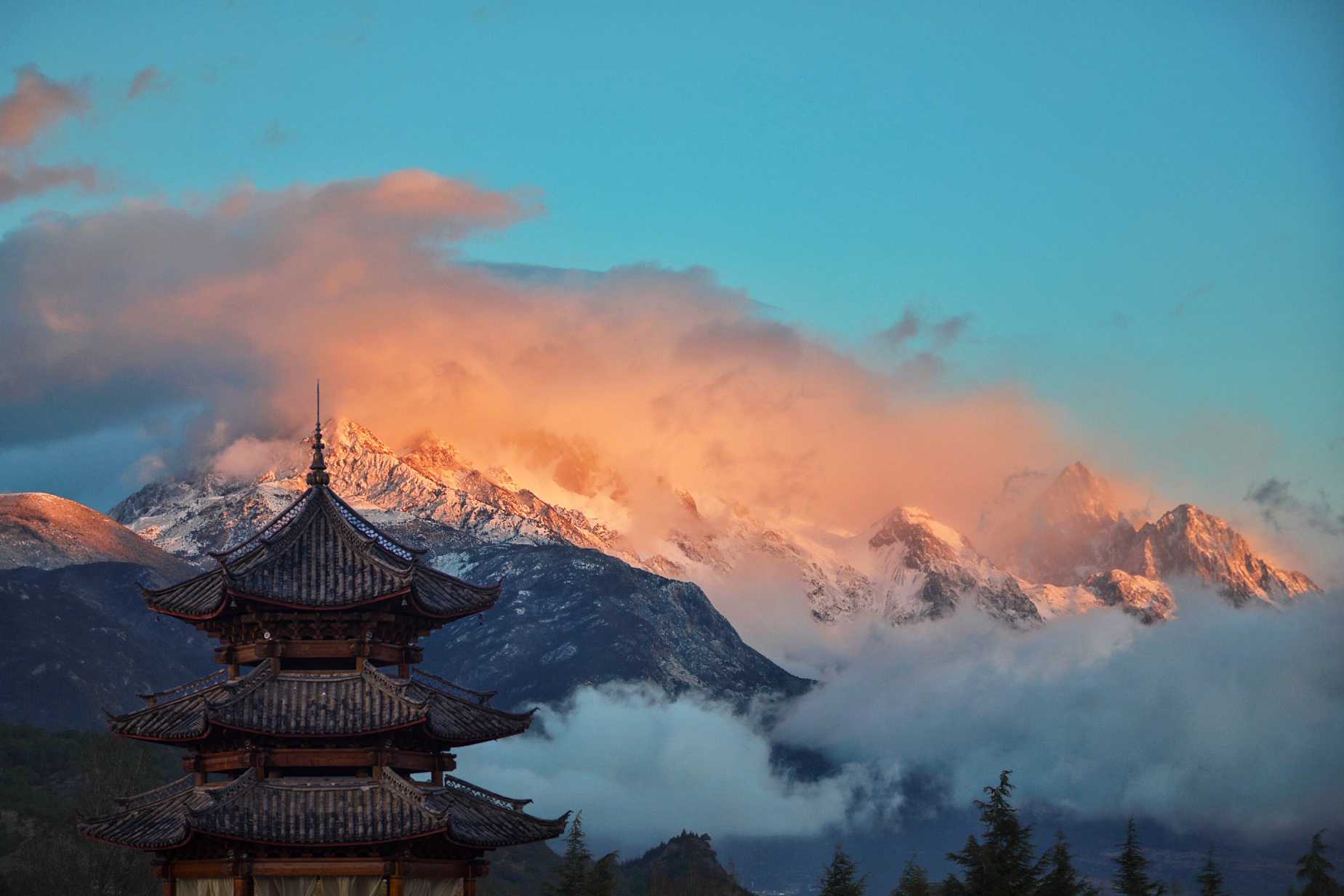
The property was on the cusp of its 20th anniversary when PORTFOLIO was invited for a visit. That may seem practically geriatric in today’s relentlessly competitive hospitality landscape, but it feels anything but tired. Instead, it captures something ancient and beautiful, serving not just as a return to old Yunnan, but as a return to Banyan Tree’s own origin story in China.
“This is the second hotel we did, and it made us well-known in China,” says Claire Chiang, co-founder of Banyan Tree Hotels & Resorts. “It became a case study in tourism schools, and a copycat for businesses next door. Some even checked in for months at a time, bringing their architects and engineers with them. We could see them taking measurements!”
 Banyan Tree Lijiang Plunge Pool Villa
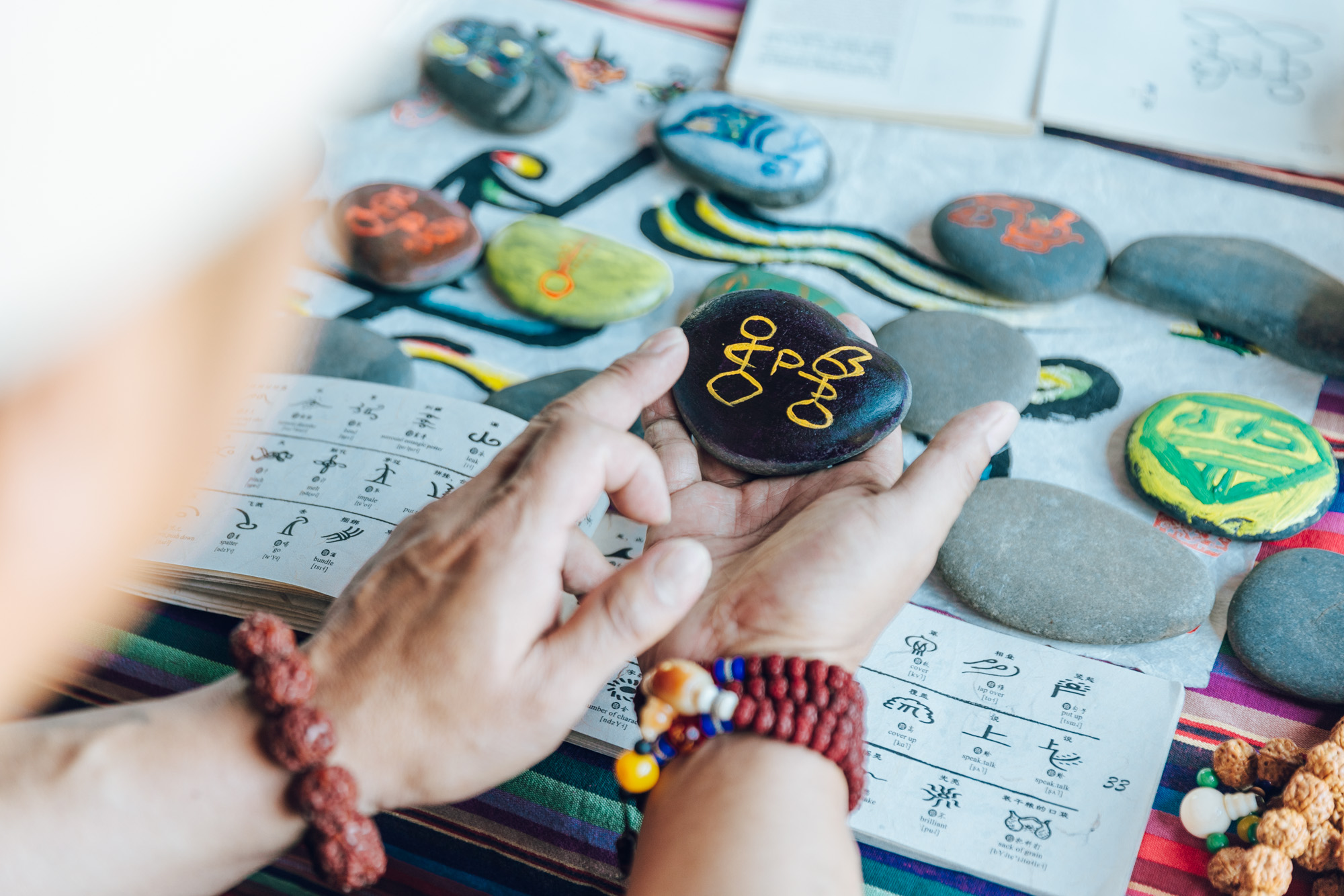 Dongba rock painting
It’s hard to blame the competitors. The resort's 123 villas and suites achieve what so many properties attempt and fail: Genuine dialogue with local architectural tradition. In this case, it honours the Naxi people, an ethnic minority who have inhabited this region for centuries. Their distinctive building vocabulary is expressed here in sloping tiled roofs to shed mountain rain, grey brick walls, and open courtyards that invite the landscape while encouraging communal moments. Modern comforts, like heated jet pools and discreet technology, are deftly absorbed into the aesthetic. This isn’t so much theme park nostalgia as it is architecture that belongs to its place.
The culture is also expressed through the resort’s experiences. Learn how to read and draw the Naxi people’s Dongba script (the world’s only surviving pictographic writing system), sculpt a clay Tile Cat to protect against misfortune, participate in a traditional blessing ceremony or do a little revelling at a bonfire dance. Visit in spring and admire the Yulong Snow Mountain turn faintly pink at sunrise. Or come in autumn in time for songrong (also known as matsutake) mushroom season. Known as China’s “white gold” due to its rarity, it tastes like the rainy season: Delicate, earthy, so clean it can be sliced thin and eaten raw, sashimi-style.
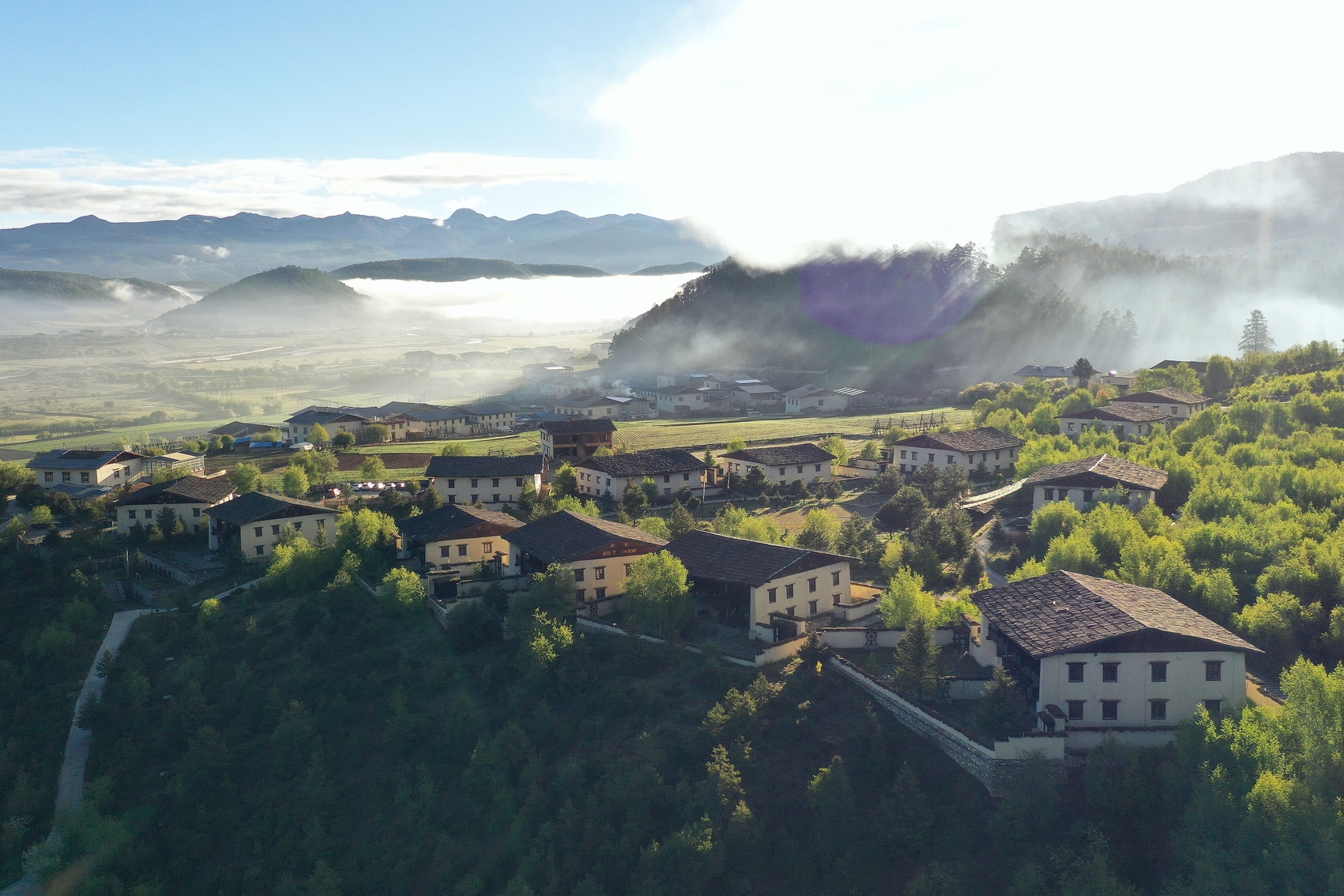 Banyan Tree Ringha
Just 20 minutes away lies Baisha Old Town, the UNESCO-listed former capital of the Naxi kingdom, where the air seems perpetually perfumed with osmanthus. Amid its street stalls, cosy cafes, boutique hotels, and even baby-goat photo ops, you’ll find the Naxi Embroidery Institute, where artisans produce photo-realistic works of astonishing precision.
With beautiful design and a solid location, it’s not surprising then, that Banyan Tree Lijiang was awarded Best Luxury Hotel and Best Spa Resort in China at the 2007 China Hotel Starlight Awards.
But before the accolades and industry attention, there was Banyan Tree Ringha – the group’s very first foray into China. It was this property that quietly set the tone for what would follow: Never to impress in obvious ways, but to embed itself gently into a living culture, and let the place lead.
(Related: How luxury travel is changing in China)
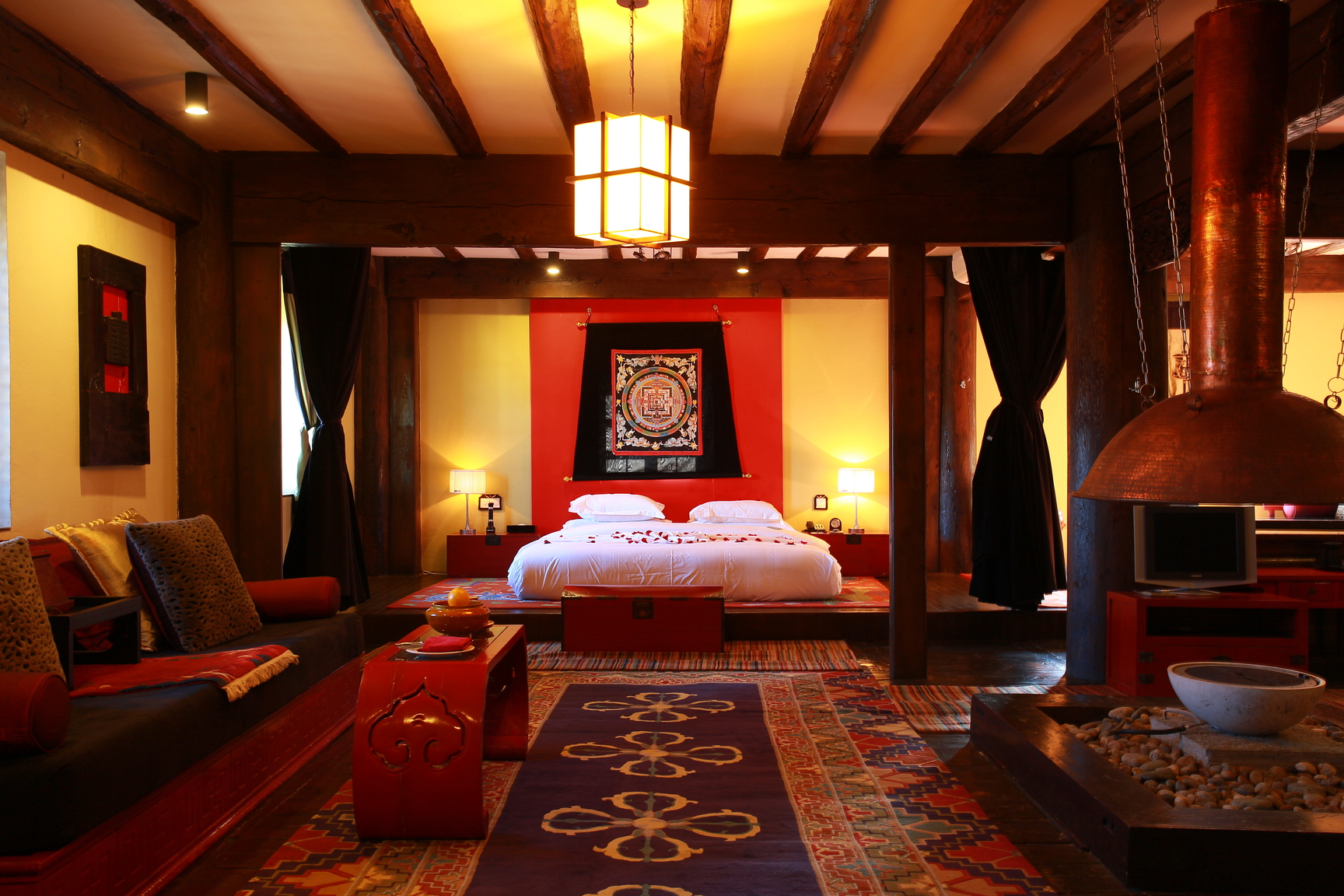 Banyan Tree Ringha – Tibertan Farmhouse
Deep in a secluded valley of Shangri-La, 32 traditional Tibetan farmhouses have been converted into villas. They’re comfortable, but decidedly not cushy. Everything creaks – floors, furniture, even the air-conditioning units. Courtyards are left to grow wild, and the air is so thin that a simple trip up the stairs feels like unintentional endurance training. In fact, the area might have remained entirely rustic if it weren’t for Banyan Tree, as there were no paved roads here until the group came along.
But it is undeniably charming. And, after all, is this not the point of travel? To immerse oneself in a different culture. To breathe in the resinous scent of burning pine needles on a meditative walk through nearby Dabao Temple. To visit a local Tibetan home, listening to stories over savoury butter tea, nibbling on yak cheese of eye-watering sharpness and chewy, salty jerky. To wander through misty highlands, feast on hot pot and barbecued meats in a Mongolian yurt, and allow culture to envelop you – even when the experience is far removed from the comforts of overly sanitised cityscapes.
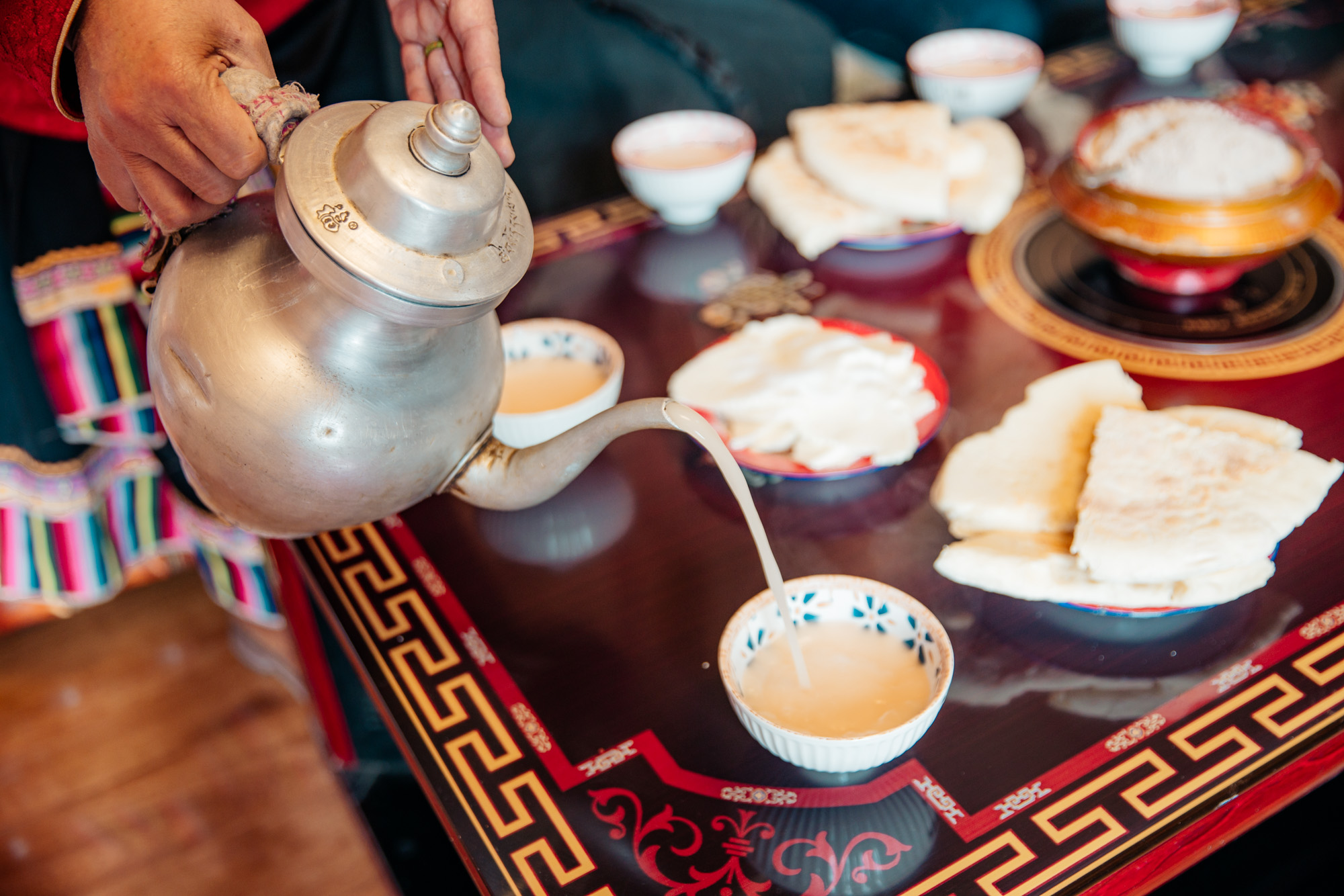 Experience traditional Tibetan food and drinks at Banyan Tree Ringha
“We are not grand. We are not luxurious,” admits Chiang. “But a lot of the magic comes from our people and the feel of a place.” It’s an understated pitch, but it’s a philosophy that has travelled far. From this first, unassuming foothold in Ringha, Banyan Tree now boasts a portfolio of 18 properties in China, each consistently shaped by surroundings rather than spectacle. “A property cannot succeed without a soul. And a brand is not its signages or properties – it is an emotion. It’s about how you feel when you come in.” And once felt, it’s hard to forget.





 Back
Back