On 14 December 2025, as the sun set over the Straits of Malacca, a new cultural landmark rose from the water’s edge in Penang. Shaped like a sea turtle – an ancient emblem of longevity, wisdom, and harmony – the Lin Xiang Xiong Art Gallery opened its doors as both a deeply personal milestone and a bold statement of intent. For Chinese-born, Singaporean artist Lin Xiang Xiong, it marked the culmination of a 60-year artistic journey – and the beginning of an ambitious platform dedicated to “Art for Peace”.
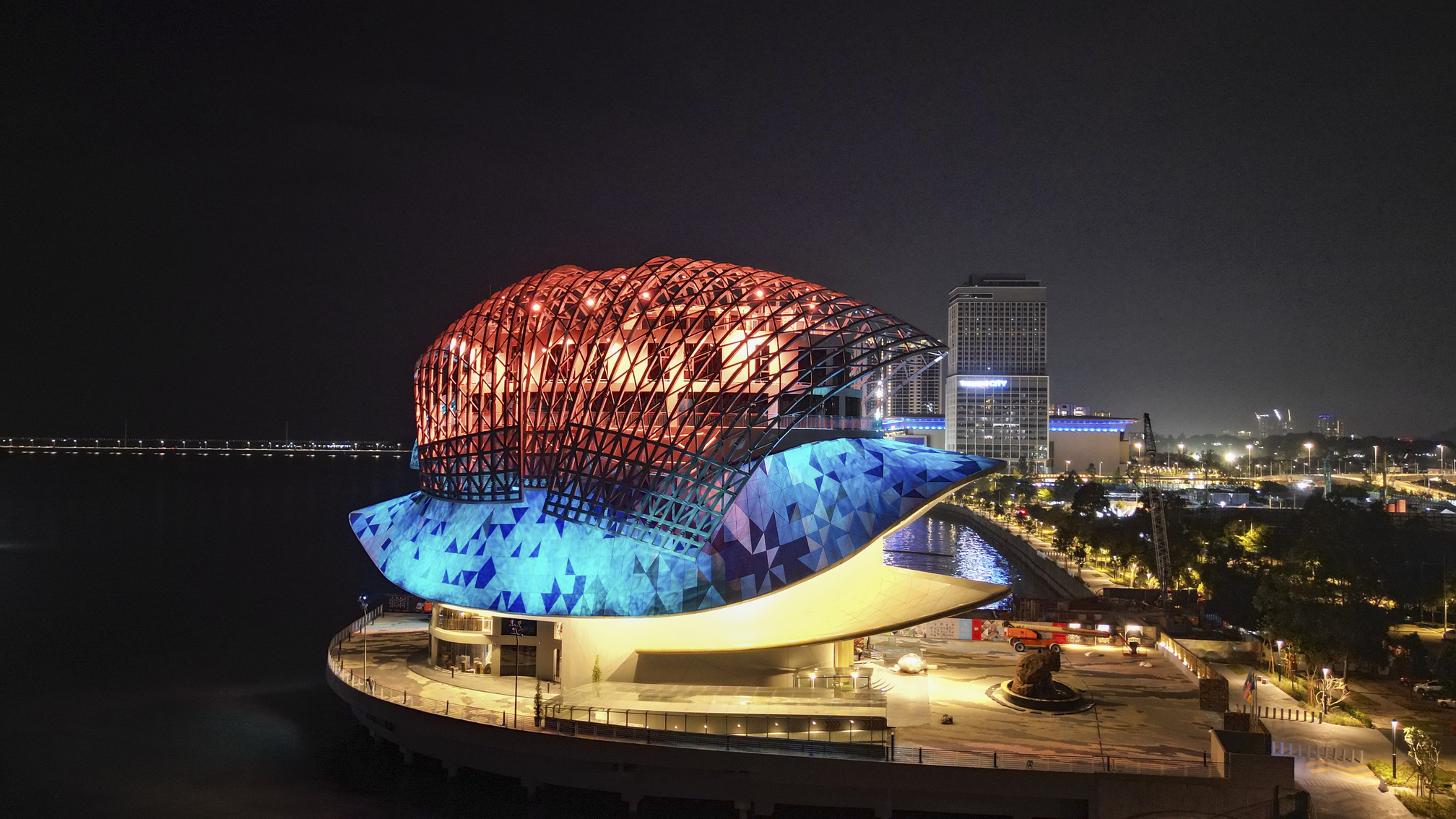
With an estimated RM100 million investment, the eight-storey museum is the first private contemporary art institution of this scale in Penang. Set dramatically over water at The Light Waterfront, the building is impossible to ignore – nor is it meant to be. Conceived as a bridge between East and West, art and diplomacy, aesthetics and ethics, the museum positions itself as a new node for global cultural exchange – one that aims to elevate Penang’s international standing while drawing cultural tourists to the island.
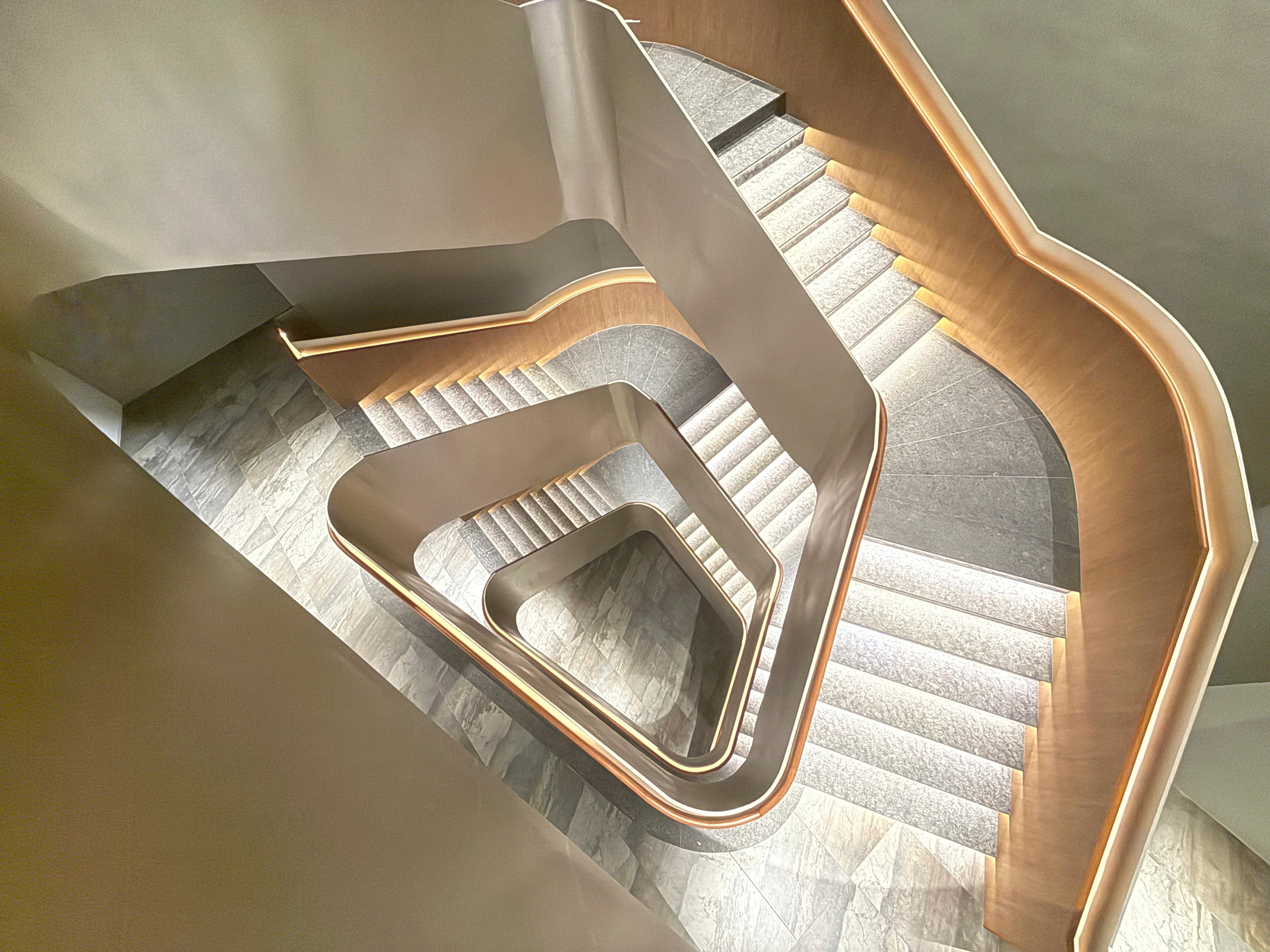
The building’s architecture is both symbolic and theatrical. The turtle-shaped structure appears to glide above the sea, its curving form softened by light-filled interiors. Inside, soaring exhibition halls unfold across multiple levels, designed to accommodate large-scale works, immersive installations, and digital projections. The interiors are intentionally restrained: Natural materials, flowing circulation, and generous sightlines encourage contemplation rather than spectacle.
(Related: From wealth to wellness)
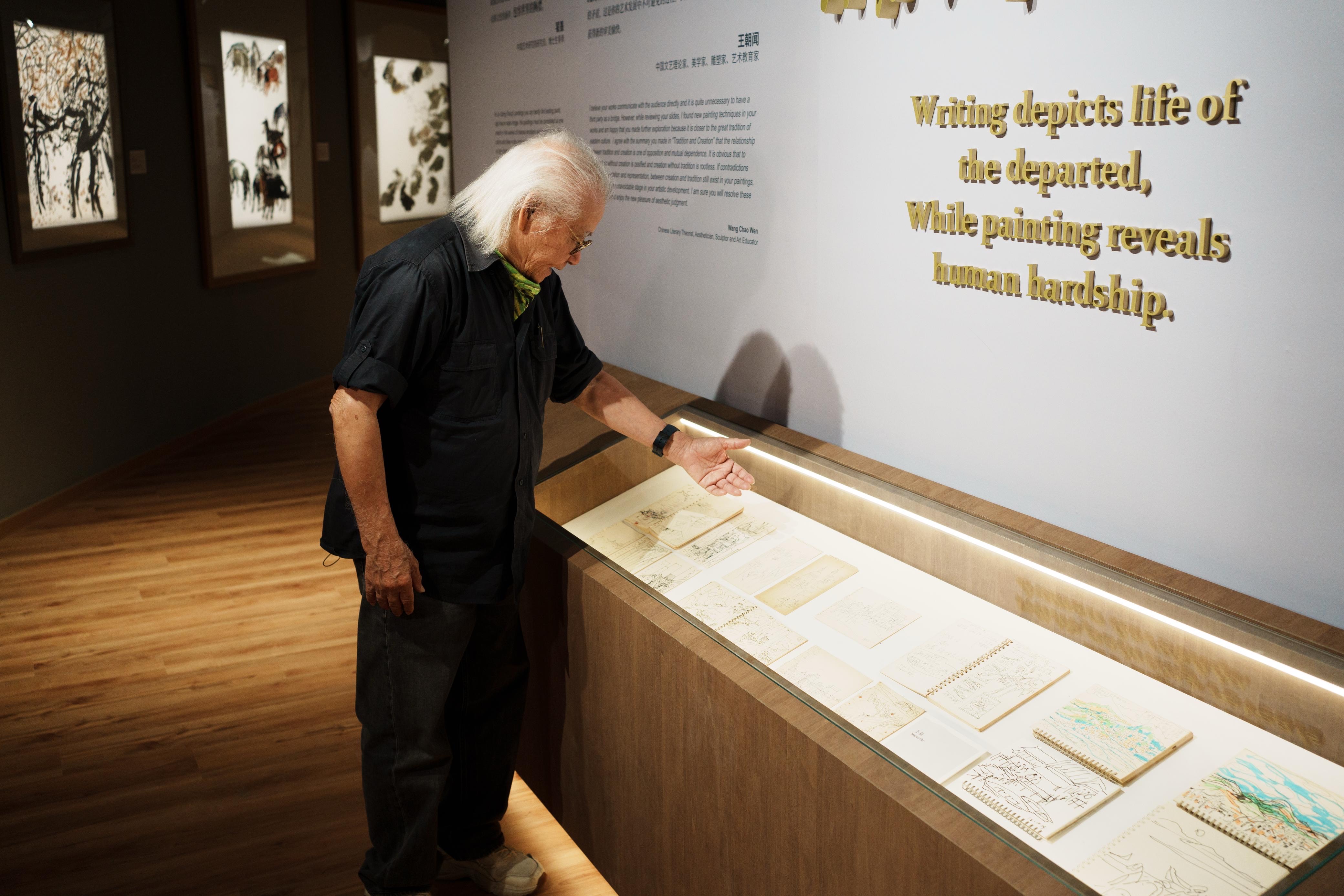
That ethos mirrors the life of its founder. Born in Guangdong Province in 1945, Lin’s childhood was marked by trauma and displacement. His mother was killed during China’s Land Reform Movement, and at the age of 11, he left home alone to search for his father in Singapore. Poverty followed: He sold newspapers, polished shoes, and worked as a docker along the Singapore River to survive. “It was extremely painful,” he recalls. “After 60 years as an artist, I don’t say I am a success… I say that I am still alive.”
Painting became both refuge and resistance. Trained at the Singapore Academy of Arts and later at the École des Beaux-Arts in Paris, Lin absorbed Western modernism while remaining rooted in Chinese philosophy. In Paris, he learnt that “copying Western art blindly is meaningless – an artist must create his own language,” and emerged with renewed conviction: “I am Chinese. Why should I feel inferior?” That realisation shaped an artistic language that fuses Eastern ink traditions with Western colour, gesture, and spatial depth.
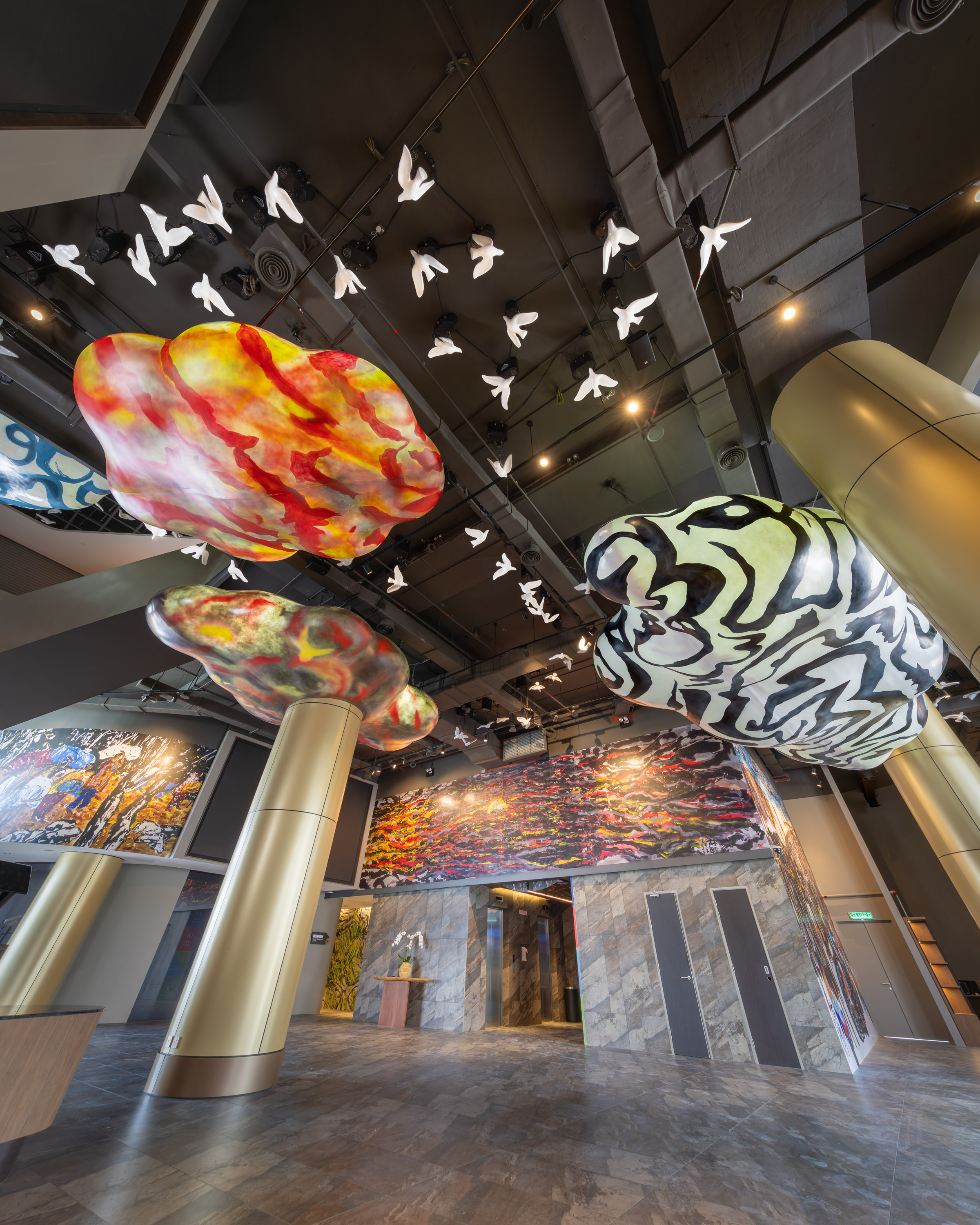
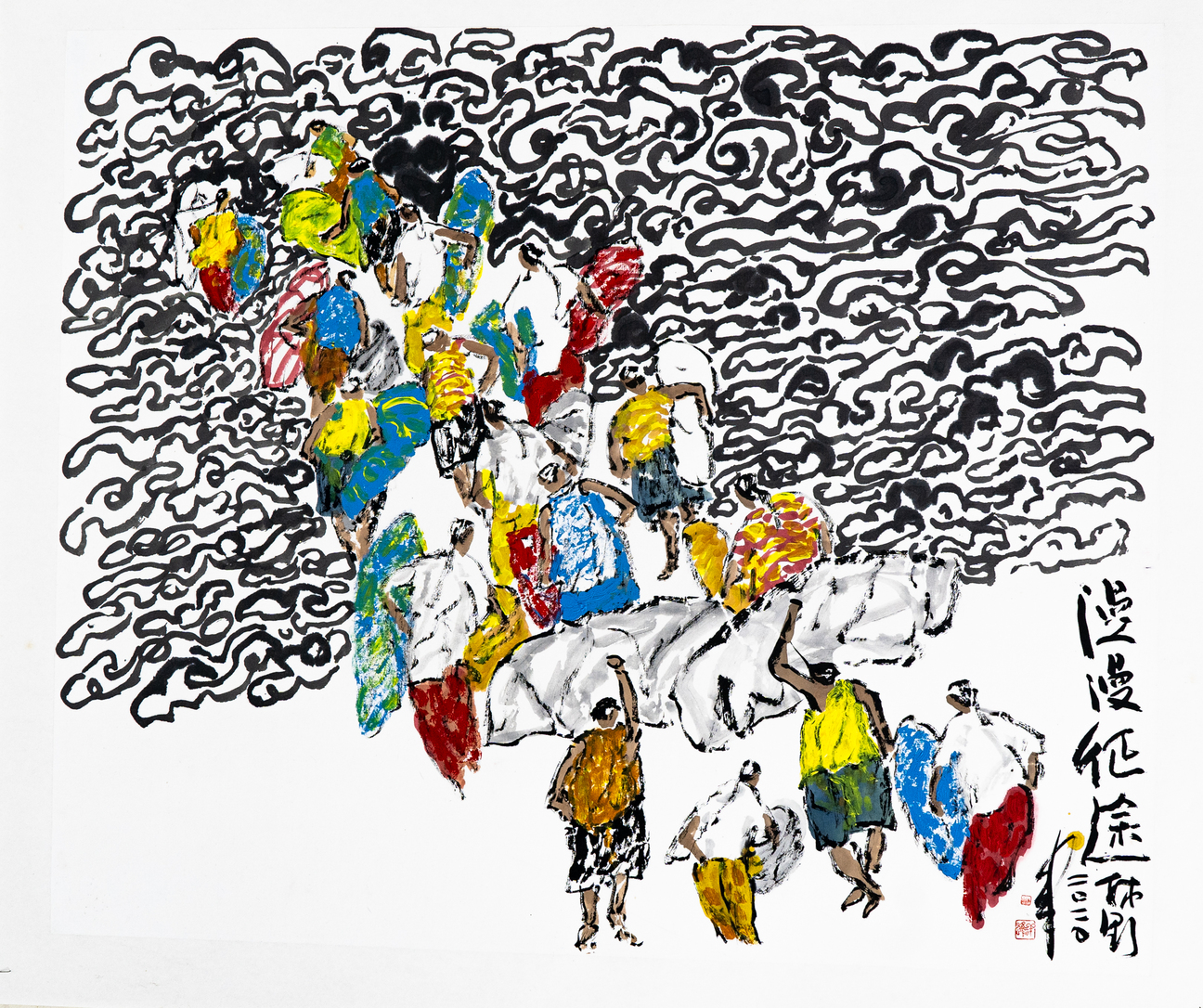
Lin’s process is physically demanding and deliberately unsettling. Ink, rice paper, wax, water and oil interact through layering and repulsion, creating surfaces that feel unstable. “Chinese traditional painting is beautiful,” he says, “but for me, beauty alone is not enough.” The tension in his works reflects their subject matter: forced migration, war, poverty, environmental collapse and the fragility of the human condition. “The discomfort you feel when looking at my work is intentional,” he adds. “I want to transmit my thinking directly to the viewer. My paintings become historical documents of society. In 50 or 100 years, they will show how we lived, suffered and thought.”
Despite international recognition, Lin has famously never sold a painting in his life. Financial autonomy came instead through an unlikely parallel career. As founder and executive chairman of CNMC, a gold mining company, he secured the freedom to keep his art outside the pressures of the market. “Selling paintings to market demand would have compromised my independence,” he explains. Business, paradoxically, allowed him to protect artistic purity.
The Lin Xiang Xiong Art Gallery is not conceived as a static repository, but as a living institution. This year, its programming will include rotating exhibitions, international symposiums, artist residencies, and educational initiatives focused on cultural dialogue. Technology will play a role, too. Lin has been among the first to translate his paintings into immersive AI-driven video environments, allowing viewers to “walk into the painting” and experience its emotional charge directly.
At the heart of the museum is Lin’s belief in art as a form of soft power. Over the past decade, he has increasingly positioned himself at the intersection of culture and diplomacy. He sits on the board of the non-profit Leaders for Peace foundation, founded by former French Prime Minister, Jean-Pierre Raffarin, and initiated the “Presenting Peace Through Art” programme, aligning artists with former heads of state, policymakers, and global thinkers. “Art may not change the world overnight,” he states, “but it can influence minds – and minds shape policies.” That conviction also led to the launch of the biannual Lin Xiang Xiong Art for Peace Prize, a global call for artists to act as peacemakers. Within months of its announcement, the prize received over 2,000 submissions from more than 100 countries.
Why Penang? The choice was deliberate. Singapore, he felt, was constrained by cost and scale; China, by policy. For Lin, the state embodies the values his art seeks to defend: “Penang is culturally rich, harmonious, and open. People of all backgrounds live together peacefully.” As Southeast Asia’s art scene continues to mature, the opening of the Lin Xiang Xiong Art Gallery signals a shift. It suggests that the region is ready not just to collect or consume art, but to host serious institutions driven by ideas and ethics. Lin’s legacy, he insists, is not personal acclaim. “It is education, reflection, humanity,” he concludes.
“The museum is open to everyone who believes art can serve people and awaken the conscience. If artists take one step forward and people begin to think differently, that is enough. Peace is built step by step.”





 Back
Back