There is much to be excited about Chef André Chiang’s return to Singapore, particularly with the recent unveiling of his brand-new signature restaurant, 1887 by André at Raffles Hotel Singapore.
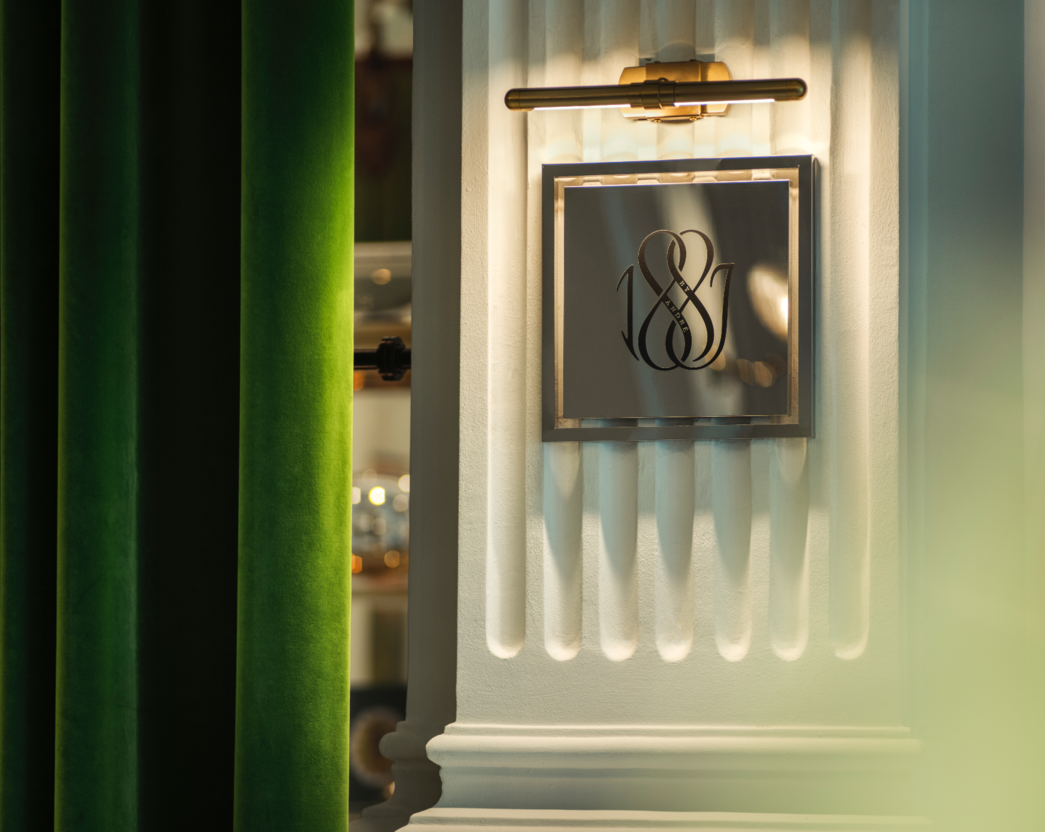
Housed in the historic formal dining room of the hotel’s main building, 1887 by André will serve as Chiang’s love letter to Singapore, presenting a modern interpretation of heritage dining through the lens of modern French techniques, blending Victorian-era style with modern innovation. Moreover, Chiang’s vision also pays homage to the evolution of Raffles Hotel and Singapore from 1887 to present day.
Chiang’s return to the city where he forged his "Octaphilosophy" (eight elements of gastronomy) is a significant moment for the region’s fine dining scene, while also marking a triumphant homecoming for one of Asia’s most influential culinary figures, and a personal milestone for him as well. “The reason for coming back is simply a desire to build an iconic restaurant once again for Singapore,” he reveals.
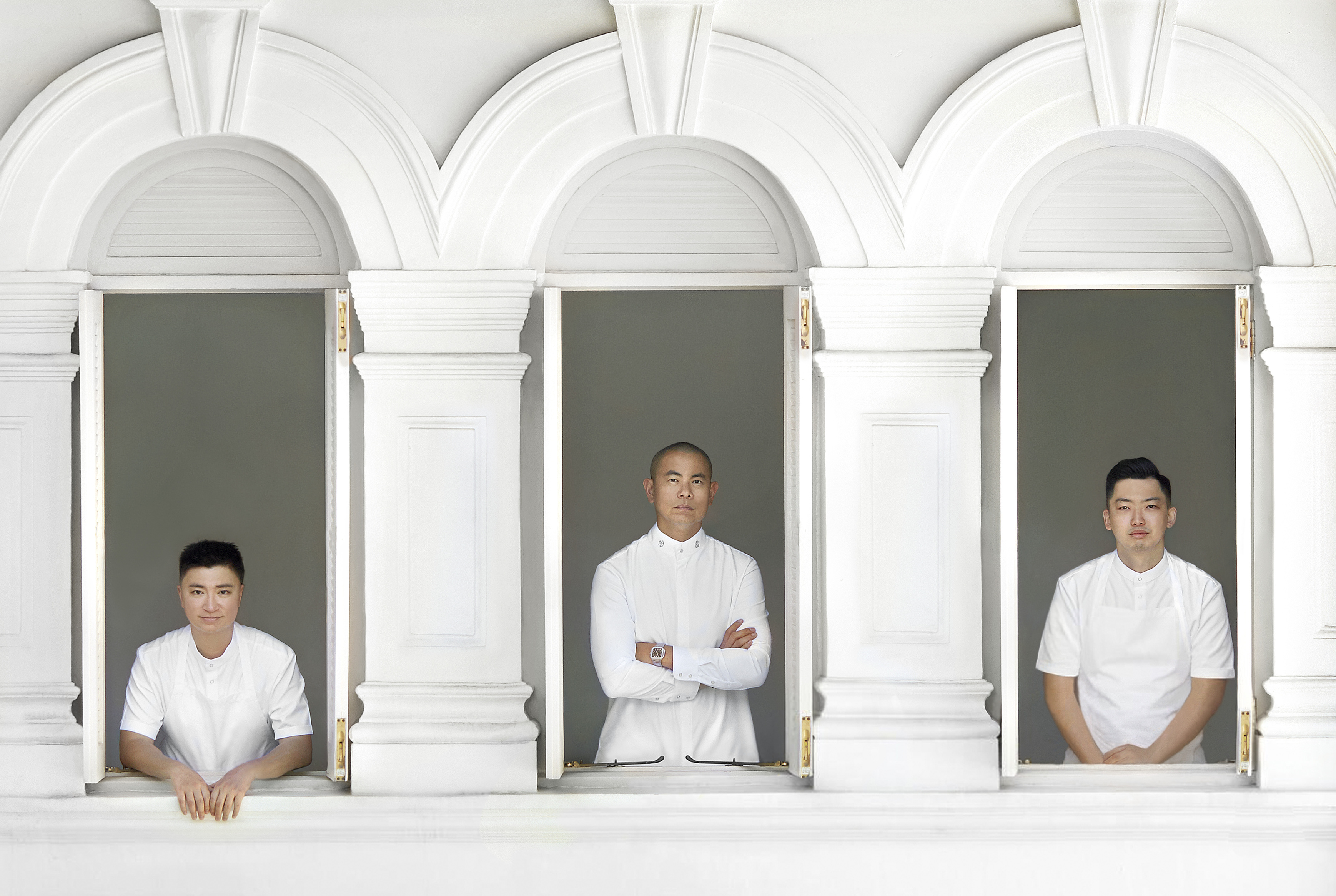 Chef Patron André Chiang with Chef de Cuisine Ben Wang and Sous Chef Roy Kuo
The restaurant will celebrate Singapore’s multicultural influences, the dynamic interplay of the city state’s rich history and craftsmanship, all while being deeply rooted in Raffles Hotel Singapore’s heritage and historical rituals, and finally, presented through his signature French culinary techniques.
Says Chiang, “1887 by André is truly distinct from my other concepts, unlike RAW and Restaurant André. It is not centred on a single philosophical framework, or a personal point, but on time and legacy. As my personal love letter to Singapore and Raffles Hotel Singapore, 1887 by André draws deep meaning from Raffles Hotel Singapore and Singapore’s layered history, using cuisine to reflect continuity across generations and to tell a broader cultural story.”
Hence, the concept of 1887 by André is expressed through clarity of intent and a strong sense of place, reflecting a shift towards dining that values depth over excess, where heritage and creativity exist in dialogue, and where refinement is paired with meaning, representing a direction where fine dining remains relevant, adaptable, and meaningfully connected to its cultural context.
(Related: Taste – Reimagining Asian Cuisine)
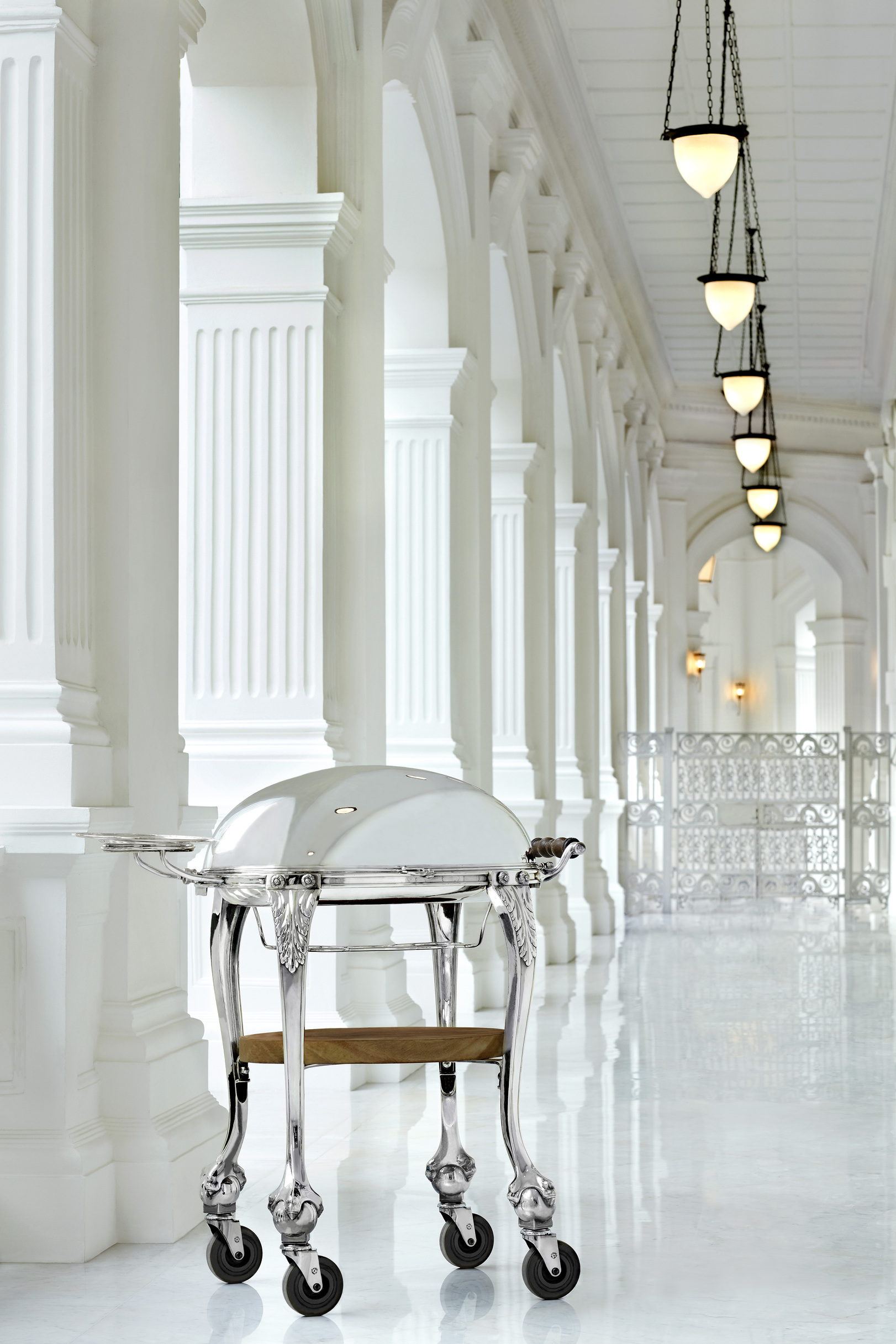
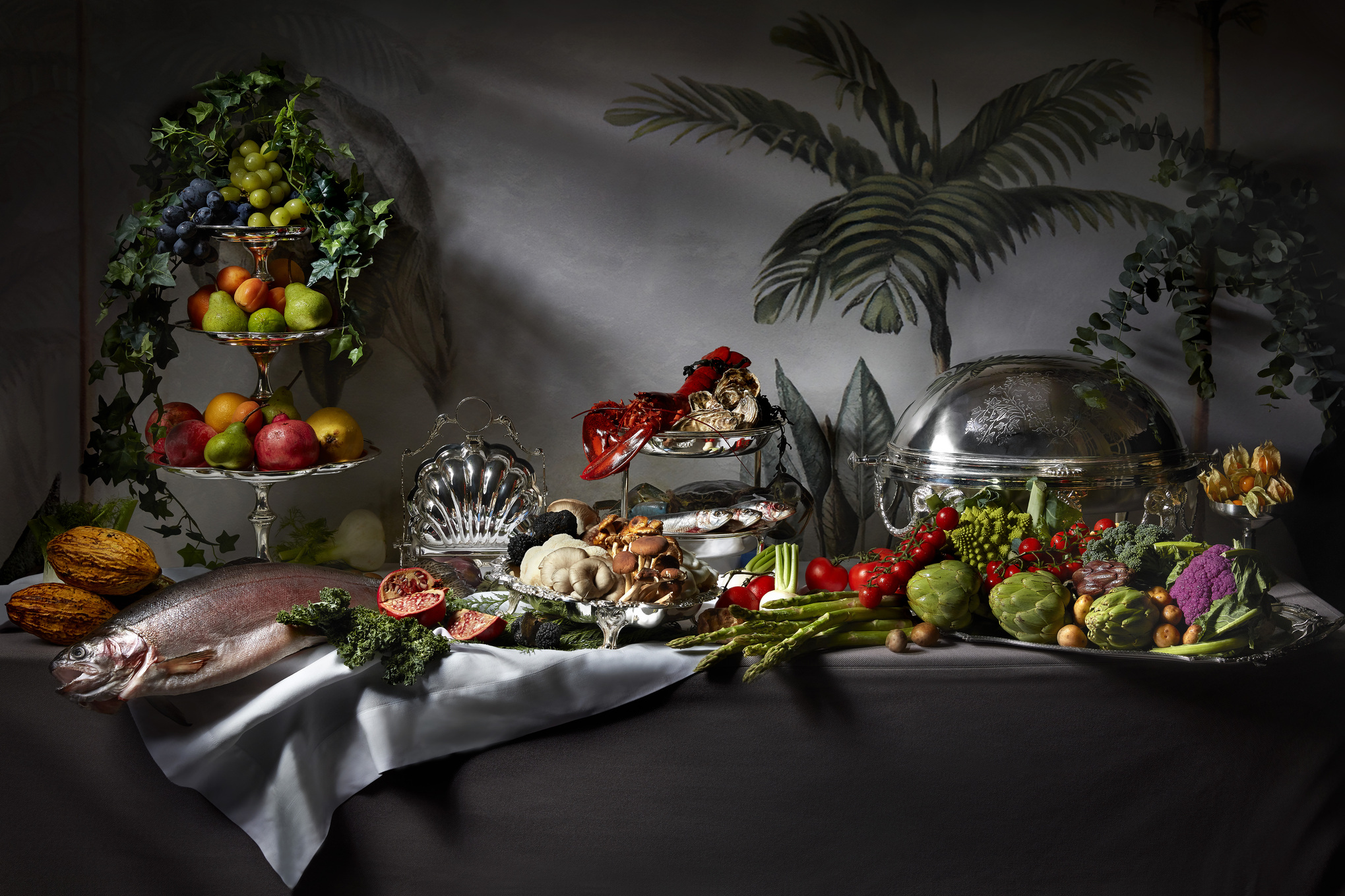
Diners can look forward to dishes inspired by original dining traditions and served on the hotel’s iconic silverware that were unearthed after World War II. The restaurant blends history, craft, and innovation in a way that is uniquely tied to the Hotel’s 139-year legacy, and diners can expect a narrative-driven experience featuring revived flavours from Raffles’ early dining rooms. While set menus will be available, the à la carte menu is at the forefront of the restaurant, restoring the concept of giving back the choice to the diner, reflective of the Victorian era.
“Rather than asking what is new, 1887 by André asks what is worth preserving, reinterpreting, and passing on. It is less about personal expression and more about stewardship of heritage, culture, and the next generation of chefs,” shares Chiang. “This new beginning is not about a single project, but about returning with purpose, bringing something timeless back to Singapore, a place defined by history, continuity, and charm.”
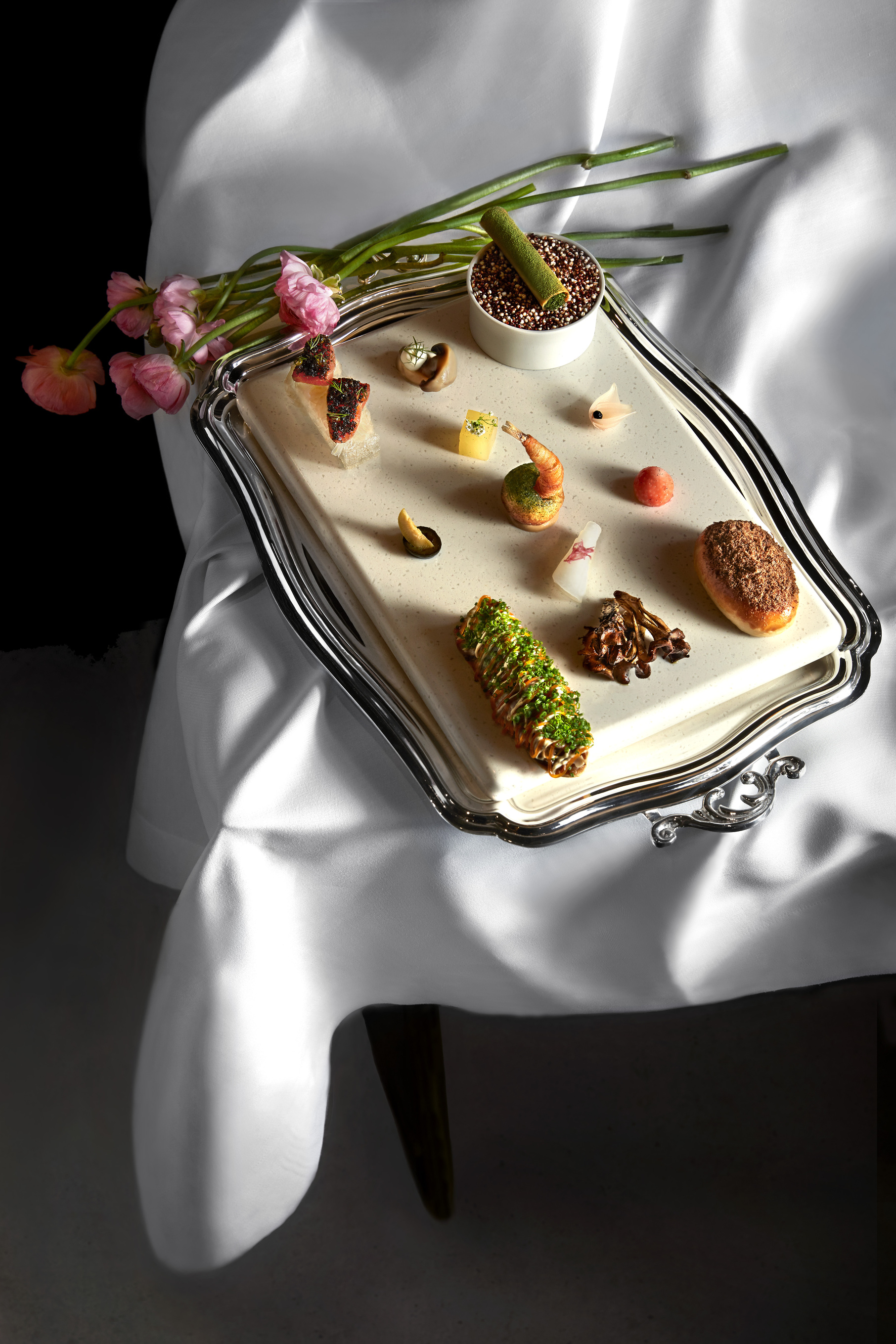
He continues, “Singapore’s culinary scene is already highly sophisticated, so raising the bar today is less about technical ambition and more about depth and intention. With 1887 by André, the contribution lies in showing how fine dining can be closely connected to context and cultural memory. By drawing from Raffles Hotel Singapore’s long history and Singapore’s multicultural influences, the restaurant showcases cuisine as a form of storytelling that is thoughtful and enduring, valuing clarity, craftsmanship, and longevity over novelty.”
This homecoming evolved naturally and directly shaped how the menu was conceived. “Our menu draws from 139 years of archival references from Raffles Hotel Singapore, alongside beloved Singaporean flavours and selected signatures from my own culinary journey. Rather than revisiting dishes as they once were, the intention is to reinterpret them, allowing the past, present, and future to coexist on the plate. Guests will recognise familiar notes, but experience them through a more reflective and refined lens.”
He continues, “During my culinary residency at Raffles Hotel Singapore, I was deeply moved by reconnecting with long-time guests and friends who had supported Restaurant André and RAW over the years. It felt less like returning to a place, and more like reuniting with shared memories built over time. That experience was followed by the Raffles Writer’s Residency for my book, Fragments of Time, which prompted a reflection on my journey, my relationship with Singapore, and what Raffles represents as a cultural institution. Together, these moments shaped the idea of a ‘Taste of Time’, a way of thinking about cuisine through memory, continuity, and lived experience, rather than through nostalgia.”
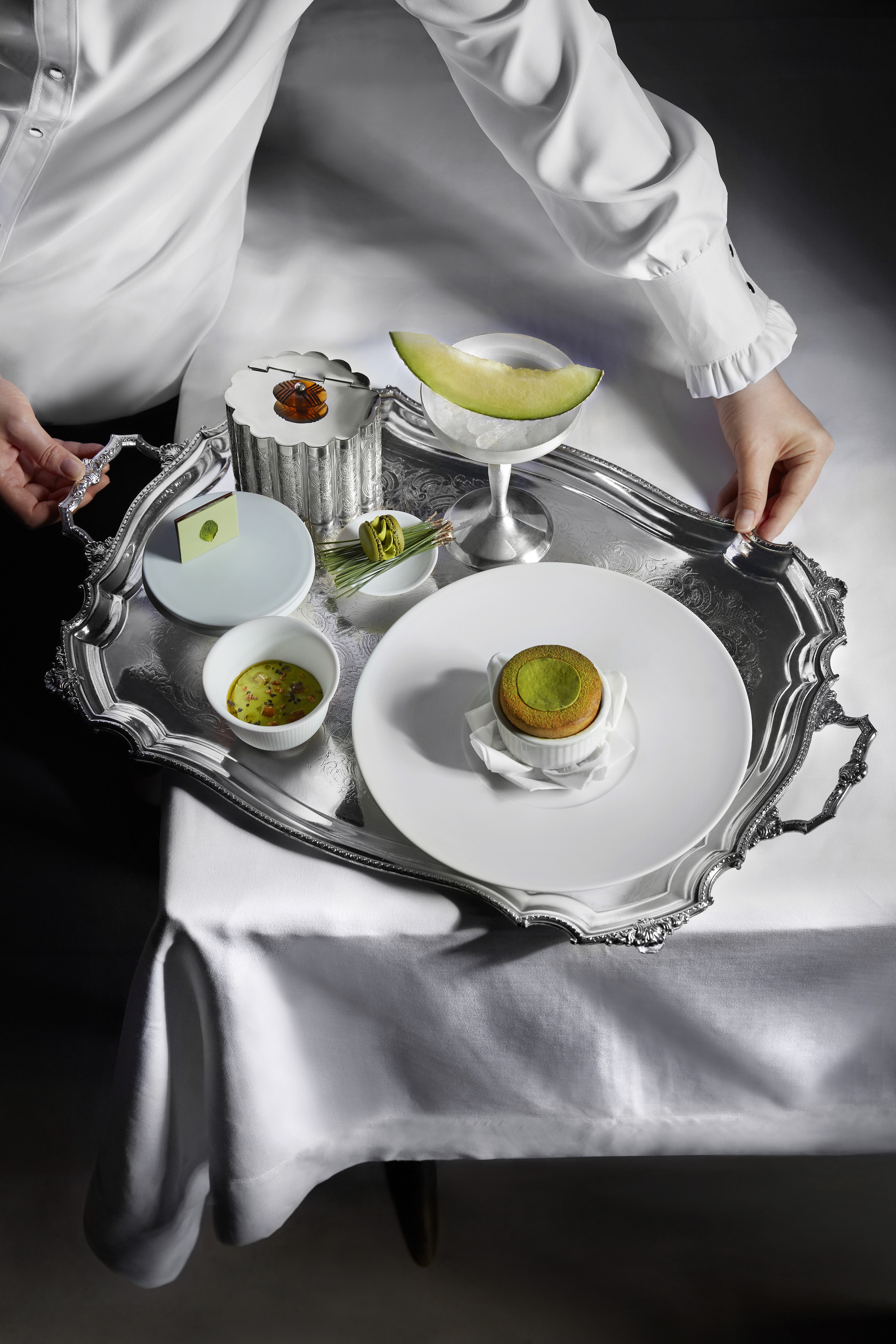
“Rather than asking what is new, 1887 by André asks what is worth preserving, reinterpreting, and passing on. It is less about personal expression and more about stewardship of heritage, culture, and the next generation of chefs.”
History is woven throughout the experience, from the concept rooted in the Hotel’s 19th-century origins, to revived flavours from its early dining rooms, and the use of original silverware, including the legendary silver trolley from the hotel’s World War II era.
The interior design, executed by the legendary Bill Bensley, pays tribute to the former Raffles Grill and Elizabethan Grill, reimagining the hotel’s century-long legacy with a "glasshouse" aesthetic, featuring tropical heritage elements, reflecting 139 years of heritage while embracing sustainability and modern interpretations of colonial elegance.
Designed to balance old-world charm and heritage with modernity and the restaurant’s forward-looking philosophy, expect colonial architecture with influences of a tropical glasshouse with materials such as marble, wood, palm trees and punkahs.
For more information, click here








 Back
Back