Hospitality has always been shaped by how people choose to spend their time. But according to Andrew Ing, the way audiences engage with dining and nightlife today is markedly different from the past. “The most fundamental shift is the move from a handful of dominant, mass-market players to a highly fragmented and niche landscape.”
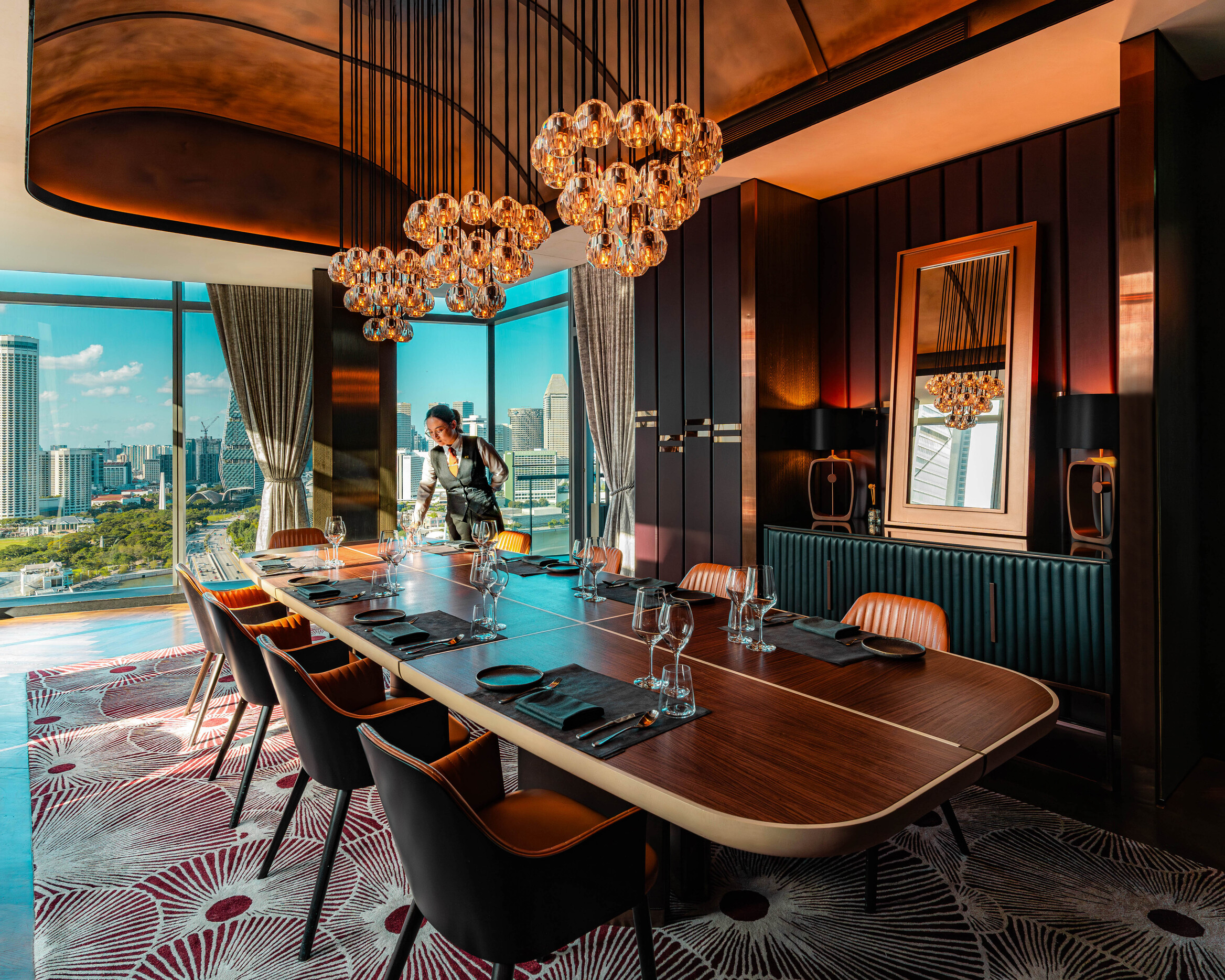
Consumers today, he notes, are more sophisticated and widely travelled than ever before. Rather than seeking a single type of night out, they are drawn to highly specific experiences, whether defined by cuisine, music, or atmosphere. Expectations have risen accordingly. “They no longer look for a one-size-fits-all night,” Ing explains. “They’re searching for specialised experiences, and they expect high-quality execution in every niche.”
As Chief Operating Officer of OUE Restaurants, Ing is responding to that shift by rethinking what a hospitality destination can be. Increasingly, the answer lies in what he describes as “fluid spaces” – venues designed to move seamlessly from dining to drinks to nightlife without forcing guests to relocate across the city.
Concepts such as HighHouse and Nova embody that philosophy. Within a single footprint, guests can begin their evening with dinner, transition to cocktails, and continue into late-night entertainment. In practice, the idea is less about novelty and more about removing friction.
“Today’s audience values their time,” Ing says. “They don’t want to travel to three different locations for a drink, a meal, and a late-night experience. A venue that offers all three can deliver a complete night.”
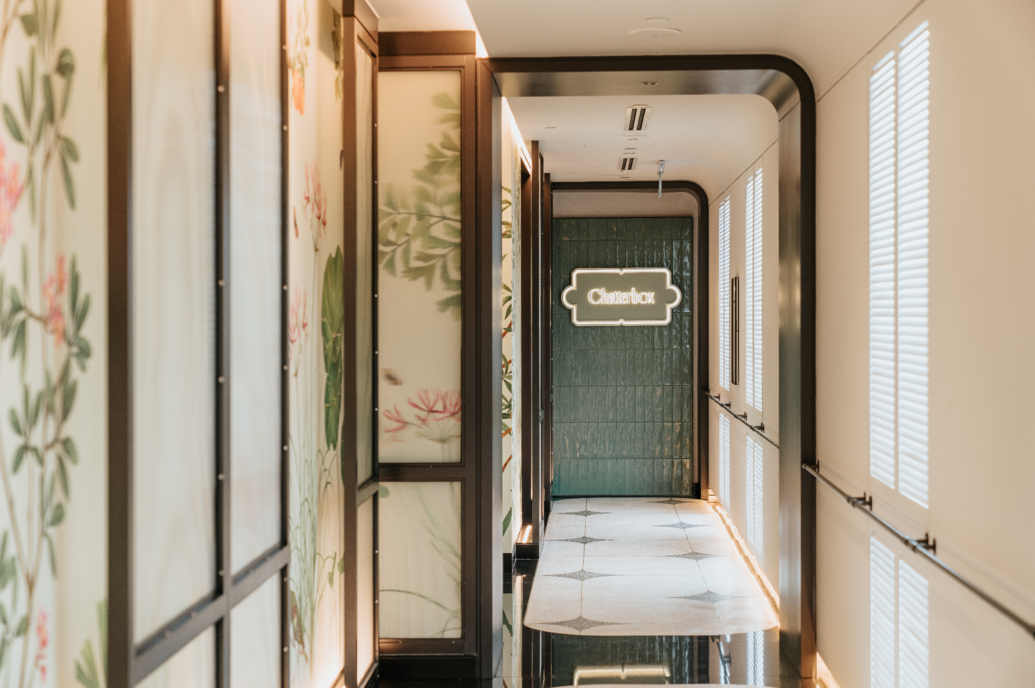 Chatterbox
But building such a venue requires careful balance. The dining component must be credible enough to stand as a restaurant in its own right. The bar programme needs equal attention. And the music and technical infrastructure must support a genuine nightlife experience. “You can’t just be a club that serves snacks,” he shares. “You need a best-in-class kitchen, a best-in-class sound system, and a best-in-class bar all operating under one roof.”
Delivering that level of quality becomes even more complex at scale. Over the years, Ing has worked across both independent concepts and large destination venues, experiences that have shaped how he approaches the relationship between size and intimacy.
Large spaces, he believes, succeed not through spectacle alone but through meticulous attention to detail. “My thinking has evolved toward what I call a precision-led approach to scale. Large destinations can feel cold if you don’t obsess over the sensory details.”
Those details often operate quietly in the background. Carefully engineered acoustics ensure conversations remain comfortable even when venues are busy. Specialist lighting subtly creates zones within a large room. Small design decisions guide how guests move through the space without them ever feeling directed.
“People may not consciously notice these things,” Ing says. “But they’re what make a large environment feel personal.”
(Related: KülorGroup's Christopher Chua is redefining luxury hospitality through design)
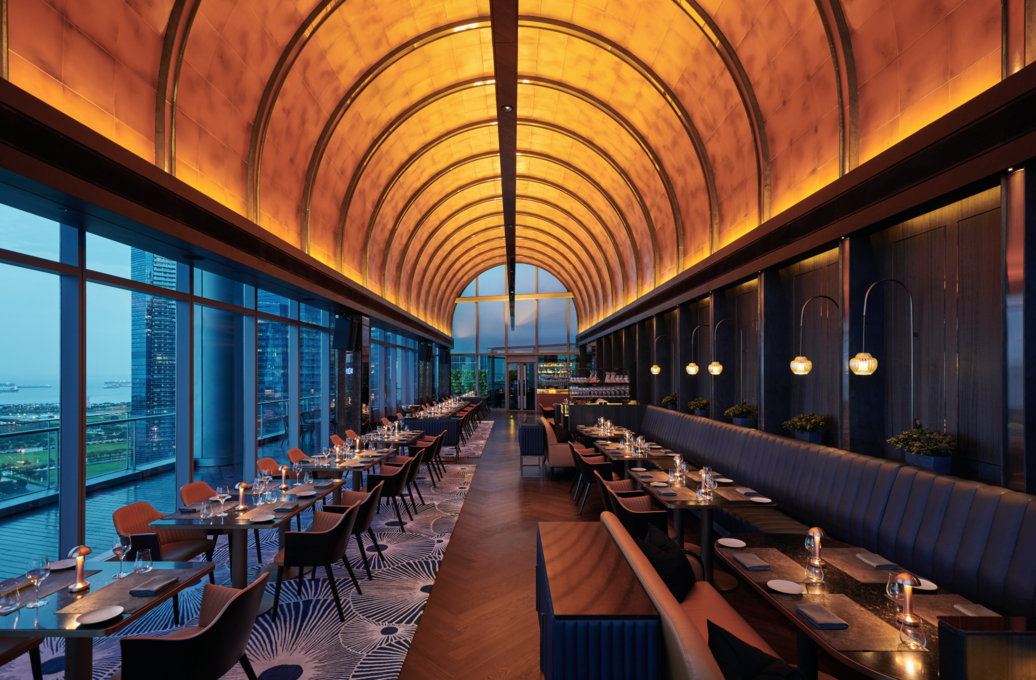 VUE
VUE
Beyond the venues themselves, Ing is also advancing a model that reflects the changing economics of hospitality. Increasingly, OUE Restaurants integrates its dining concepts directly into hotel and mixed-use developments, a partnership approach that aligns the strengths of property owners with the agility of independent operators.
The logic behind the model is straightforward. Hotels and developers excel at managing real estate and infrastructure, but food and beverage concepts require constant reinvention and cultural awareness to remain relevant. “Hotels are often great at property management,” Ing explains. “But modern F&B needs agility and a certain edge.”
By introducing distinctive restaurant brands into these environments, the property benefits from a compelling lifestyle offering that attracts both guests and visitors. In return, the restaurant gains a prime location and access to an established ecosystem. “It allows hospitality concepts to grow within ready-made environments. Each side focuses on what it does best.”
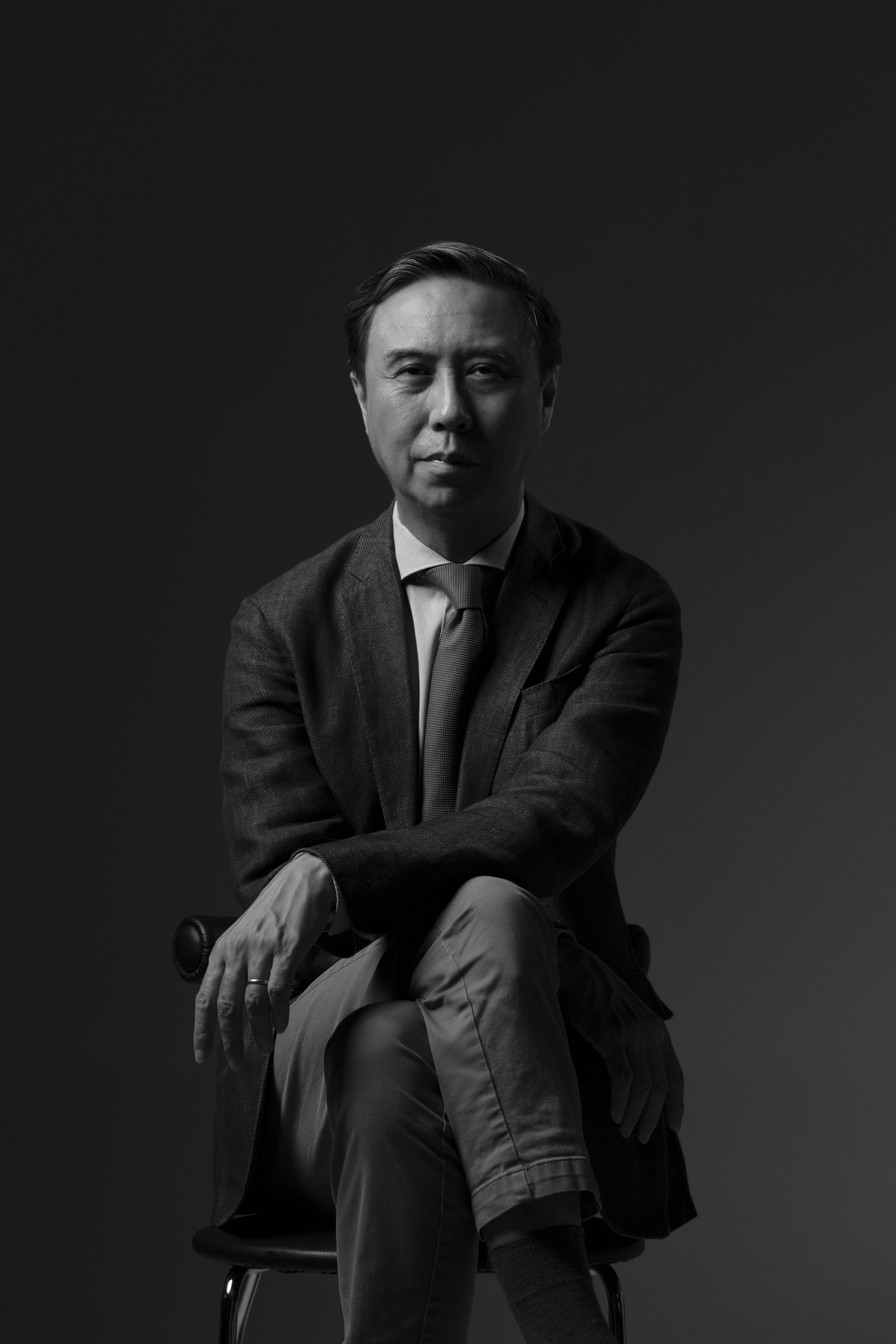
“My thinking has evolved toward what I call a precision-led approach to scale. Large destinations can feel cold if you don’t obsess over the sensory details.”
Even as strategies evolve, however, Ing believes the long-term sustainability of hospitality ultimately depends on people. For him, the idea of inclusivity begins behind the scenes with the workforce itself. Within OUE Restaurants’ venues, teams span multiple generations, from individuals starting their first hospitality jobs to colleagues who bring decades of experience.
“In our venues, we have a multi-generational team ranging from 18 to 84 years old,” he reveals. Supporting such diversity requires flexibility in how roles are structured and how employees are supported, recognising that different generations may prioritise different needs. Inclusivity also extends to the dining experience itself. From pricing to presentation, Ing believes hospitality should remain accessible across a broad spectrum of guests. “Ultimately, it comes down to value. The experience should feel worth more than the price tag, whether that price is $20 or $200.”
For an industry that continues to adapt to economic and geopolitical uncertainty, Ing sees resilience and curiosity as defining qualities for the years ahead. “We’ve gone through incredibly tough shifts,” he says. “But those challenges force you to become leaner, smarter, and more strategic.”
Looking forward, he expects hospitality to continue evolving beyond traditional categories. The lines between dining, art, and entertainment will blur further, while partnerships between creative operators and large hospitality assets will become increasingly professionalised.
For leaders in the field, success will depend not only on strategy, but also on a willingness to keep experimenting. “Those who stay curious and nurture new talent during this cycle will lead the next decade,” Ing says.
So in a landscape defined by constant change, the ability to adapt may ultimately be the hospitality industry’s most valuable asset.








 Back
Back