Early evening in Havana and the Paseo del Prado is buzzing. Locals linger along the city’s main tree-lined promenade; children gather to play tag or kick a ball around. At some point, a stray dog joins a game of football.
On either side of the Prado, grand colonial buildings with their peeling facades and crumbling elegance lend an air of old-world stateliness. Veering past the Gran Hotel Manzana Kempinski La Habana, where vintage American-made cars idle by the curb, it is a short skip to what is arguably one of the most legendary cocktail bars in the world, El Floridita.
Immortalised as Ernest Hemingway’s haunt, it is today a popular stop on the tourist circuit. But with unapologetically stiff daiquiris and excellent live music ranging from classic son Cubano to lively jazz, its allure remains irresistible. One drink in and I am unable to resist the urge to tap my feet and sway my shoulders to the beat.
 in old havana.jpg) Plaza de San Francisco de Asís in Havana
Plaza de San Francisco de Asís in Havana
This alchemy has long drawn artists, writers, and wanderers to Havana, seduced by its cinematic streets, music that seems to spill from every window, and the conviviality of everyday life. But the Cuba of today is more complicated and the difficulties it is currently facing are impossible to ignore, even as a transient visitor.
Decades of political tension and a long-standing United States embargo, which has recently intensified, have left the country economically isolated and vulnerable to global shocks. The pandemic, which all but halted tourism – a key economic driver – only deepened these cracks and international arrivals remain significantly below their 2019 peak.
By most accounts, Cuba is navigating one of the gravest economic crises in its modern history. Shortages of food, fuel, and basic medicine are part of daily life. Locals speak of electricity blackouts the way one might discuss the weather, while outbreaks of mosquito-borne illnesses such as dengue and chikungunya add another layer of unease.
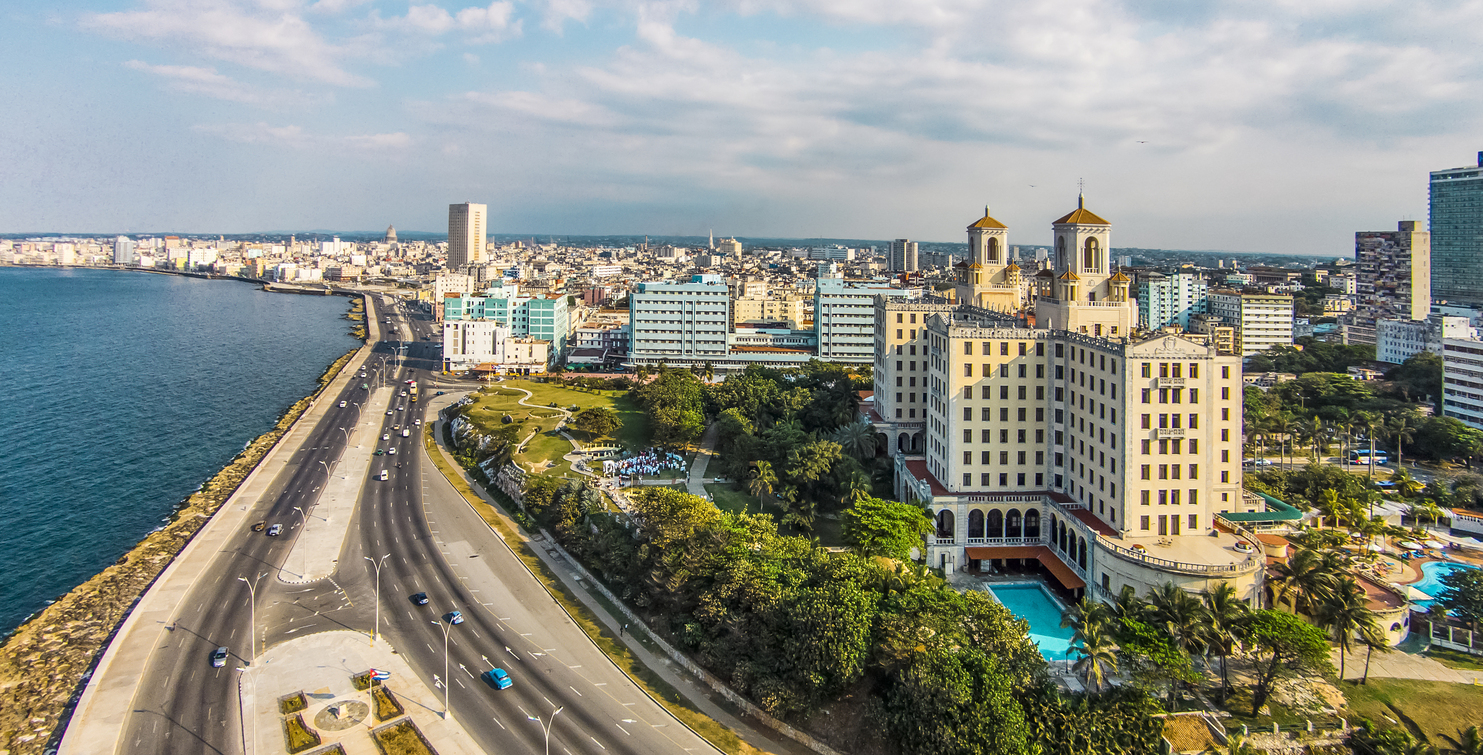 Aerial view of Havana with Hotel Nacional (right)
Tourists like ourselves, protected by pre-arranged itineraries, are largely shielded from the harshest edges of this reality. Still, the strain surfaces everywhere. Even in the fanciest buildings, toilets do not flush reliably, daily supplies are hard to come by, and foreigners are routinely approached for small change.
The moment that undid me came one morning at a breakfast buffet, laid out with an abundance of fare for us travellers. As I walked around freely filling my plate, I saw a server quietly slip a cookie into her pocket, in an almost invisible act that spoke volumes about the challenges of life here.
Yet, this is also why I had travelled for 48 hours across the world. At the invitation of the Embassy of Cuba in Singapore and UOB Travel, I had come to experience firsthand why Cuba remains high on the intrepid traveller’s bucket list.
Seven days later, the answer is obvious: The Cubans themselves. Stoic and resilient, they are fiercely proud of their distinct cultural identity. From music and dance to rum and cigars, these are cherished as quiet acts of self-preservation and ways of expressing joy and dignity amid prolonged uncertainty.
To witness this confluence of history and living culture, one need only secure a ticket to the legendary Tropicana Cabaret, which dates back to 1939. Once a nightclub that hosted luminaries like Josephine Baker, Nat King Cole, and Liberace, it now comes alive nightly in a spectacular open-air cabaret of pulsating rhythms, Latin dance, and eye-popping sequins and feathers, delivered with theatrical flair.
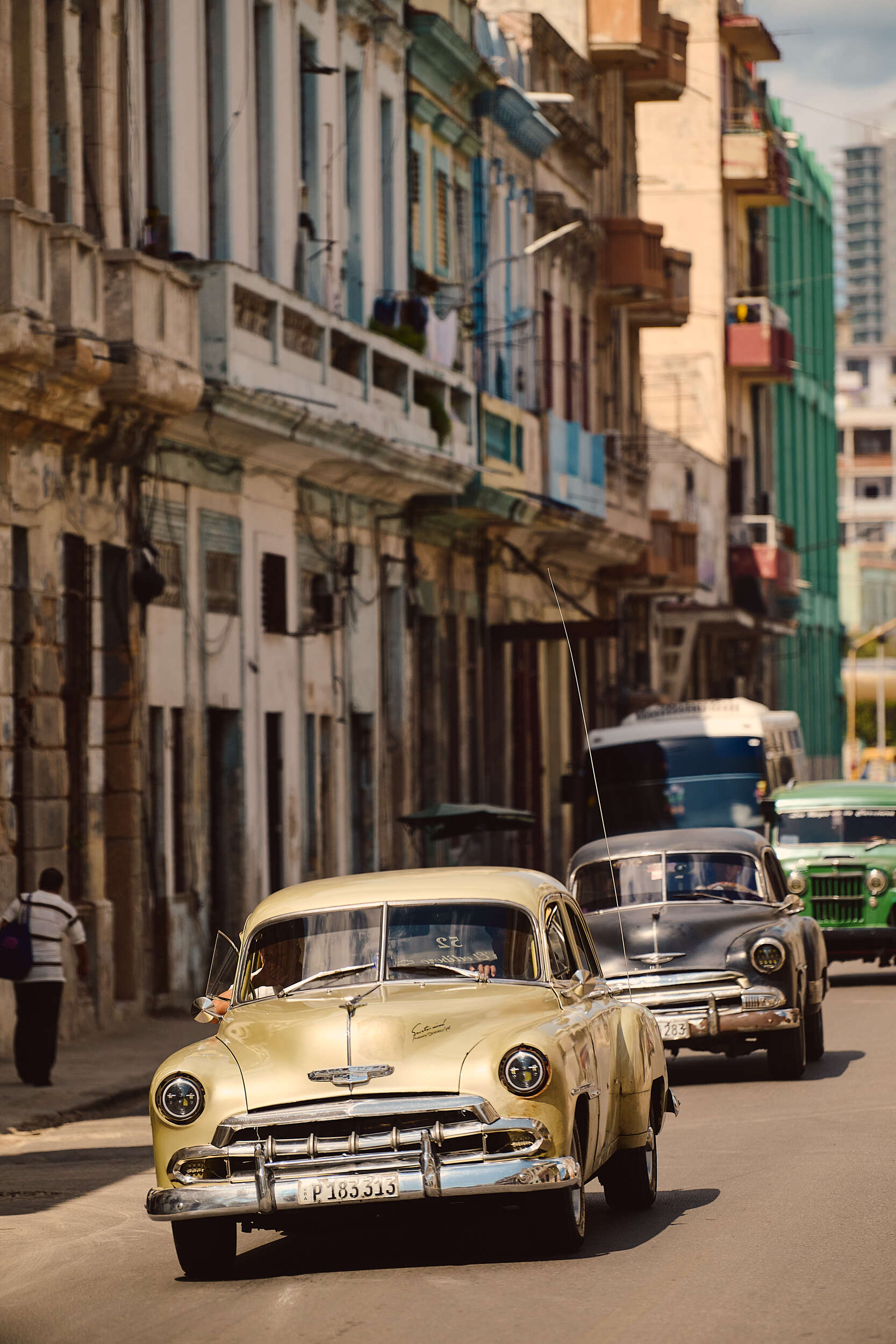
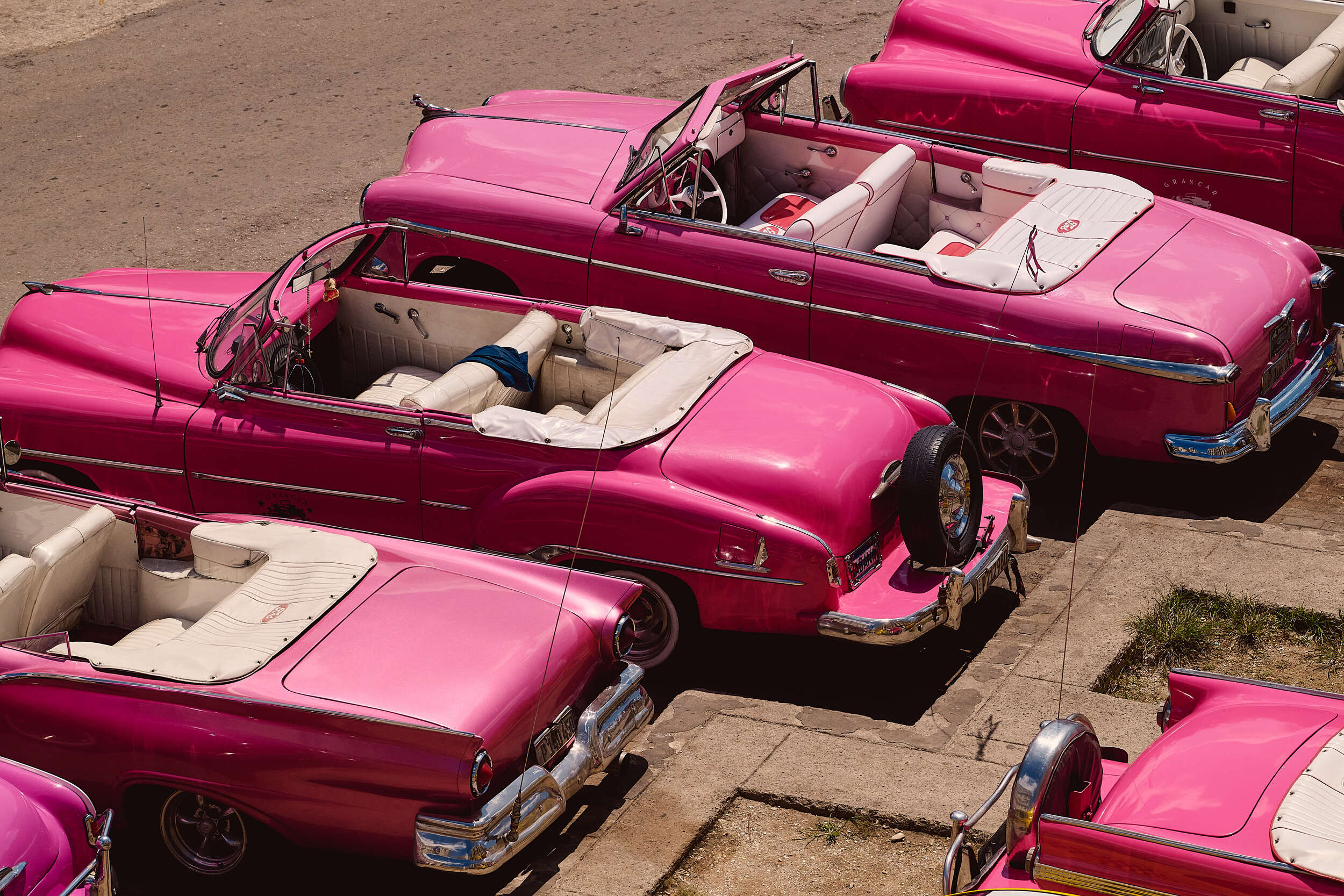
Then there are the candy-coloured vintage Chevrolets, Cadillacs, and Buicks that define Havana’s streetscape. Loved by travellers for their Instagram appeal, they continue running through sheer ingenuity, coaxed into motion with scavenged parts and mechanical improvisation.
As our driver cruised along the Malecon – the eight-kilometre seawall tracing Havana’s coastline – wind whipping my hair in every direction, I fleetingly felt that sense of freewheeling optimism that once defined the city’s golden age.
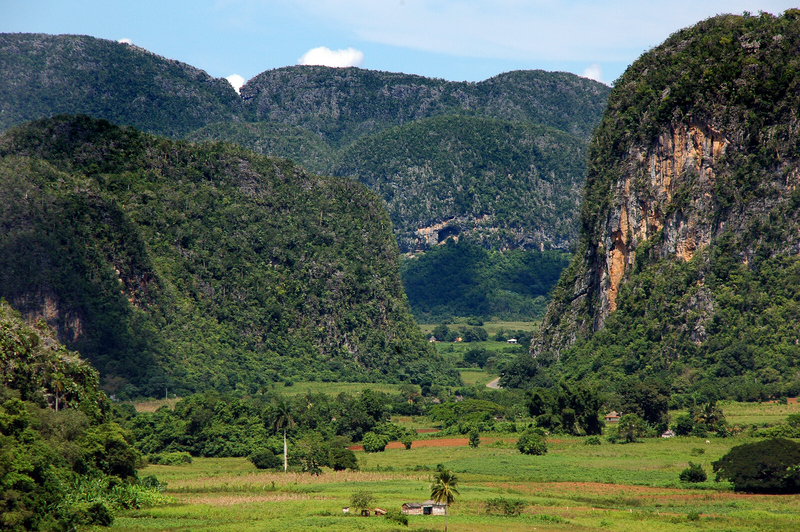 Valle de Viñales
Over the years, the country has increasingly turned to tourism as a lifeline, encouraging travellers to venture beyond Havana, where there lies a Cuba that feels more intimate, rural, and revealing.
A popular day trip is Viñales, designated a Unesco World Heritage Site in 1999. Nestled within the Sierra de los Órganos, the valley is defined by its striking mogotes – steep limestone hills rising abruptly from fertile red earth.
For many visitors, the first draw are the cigars. The valley floor is dotted with plantations where tobacco leaves are still grown, cured, and hand-rolled using techniques passed down through generations. But what stands out is how cigar-making here is treated as a ritual of agricultural labour, heritage, and pride that is inseparable from the land and the people who work it.
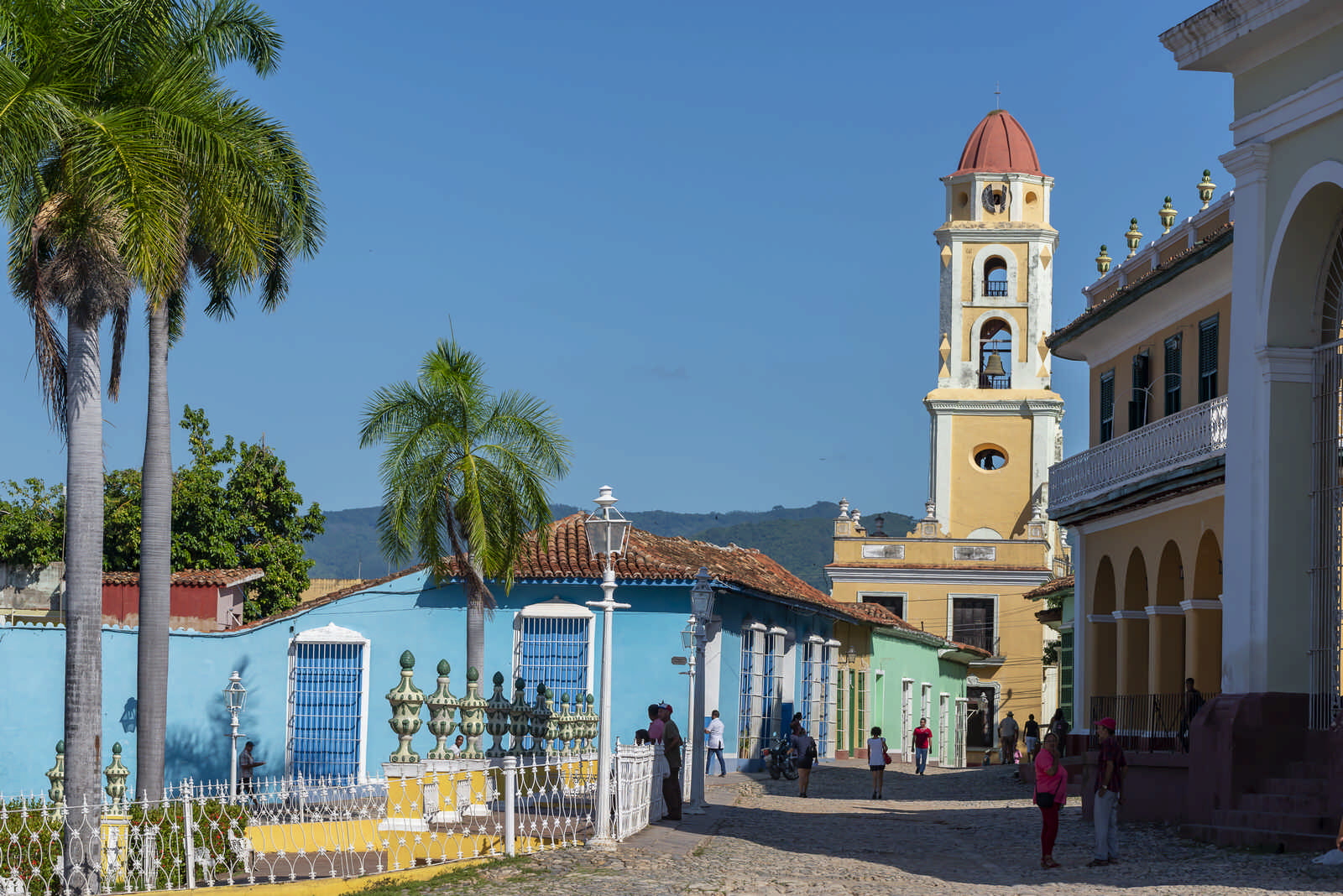 Colouful structures line Trinidad's streets
More haunting is a short boat ride through the Indian Cave, once a refuge for indigenous people and later a hiding place for enslaved Africans fleeing Spanish colonial rule. Gliding through its shadowed chambers along a narrow waterway, it is a reminder that even in natural landscapes, a story of resistance and defiance is told.
Further southeast, we arrive in UNESCO-listed Trinidad, Cuba’s most picture-perfect time capsule, with its remarkably preserved 18th- and 19th-century colonial architecture in sun-washed pastels. Once a centre of the sugar trade, the town has evolved into a compelling travel destination, with signs of regeneration woven into daily life. Small, family-run shops sell handmade guayabera shirts and crochet lace, independent art galleries showcase the work of local artists, and local bars and eateries help keep tourism dollars circulating directly within the community. It is the kind of place that rewards slowing down, making Trinidad well worth lingering in for a day or two.
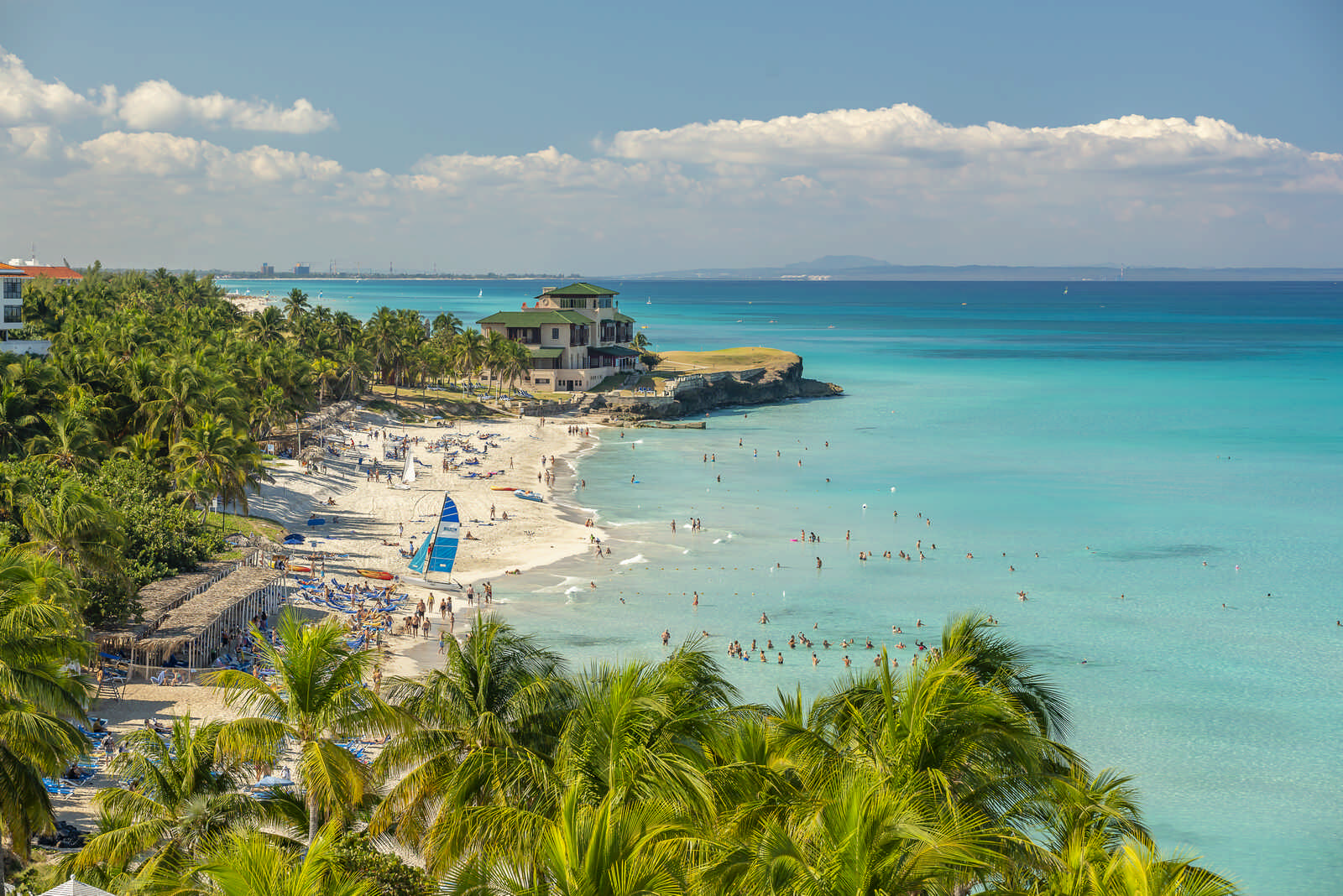 Varadero beach
From here, it is onwards to Varadero, Cuba’s most established beach getaway, set along a narrow 20-kilometre peninsula of powdery white sand extending into the Atlantic Ocean. Lined with some 50 to 60 resorts and even a golf course, Varadero has long been the face of the country’s sun, sand, and sea tourism offering. It is also here that we enjoy the best meal of our stay, a memorably simple fork-tender fresh lobster at La Barbacoa, that everyone polishes off their plates.
We stay at the all-inclusive Melia Internacional Varadero, arguably one of the town’s best addresses, with multiple restaurants and expansive outdoor pools. Yet the real draw is the beach itself, with impossibly soft sand and startlingly clear turquoise waters so pristine you can’t help but feel cleansed after a refreshing dip.
Our journey comes full circle at the imposing Capitolio Nacional back in Havana. Built in the 1920s and modelled after Washington D.C.’s Capitol building, the neoclassical landmark today serves as the seat of the National Assembly of People’s Power. Its marble interiors gleam and La Republica, the towering bronze statue at its heart, is awe-inspiring.
Yet it is not the grand cupola or stately halls that linger in my mind. In a quiet courtyard, away from the main corridors, our guide gestures towards a sculpture of Lucifer, captured at the moment of his fall from grace, suspended between defiance and descent.
She lets the silence sit before saying, almost matter-of-factly, “The Cuban people have always been rebellious. We do not settle for less.”
No doubt, on this complicated, beautiful island, the beat of resistance and resilience never quite fades.







 Back
Back