For decades, landed property in Singapore existed as a kind of shorthand for success. The larger the plot and the more expansive the home, the clearer the signal. It was a language understood across generations, where scale itself carried meaning. But that language is beginning to shift.
“Just a generation ago, the aspiration was often to maximise land size,” says Kieran Wee, Director and Founding Partner of Aurum Gravis, a Singapore investment firm focused on private equity, real estate, and alternative assets. “Today’s high-net-worth individuals are more deliberate. They are addressing how they actually want to live.”
It is a subtle recalibration, but one that reflects deeper changes beneath the surface. Family structures are evolving. Households are getting smaller. Children leave home earlier, often studying or working abroad. Domestic arrangements have become less predictable. And with that, the logic of maintaining a sprawling, multi-generational home has begun to feel less compelling.
“We are seeing a shift from buying homes as status symbols to choosing homes that reflect how people actually want to live,” Wee shares. “The conversation has shifted from how big we can go, to what fits our lives best at this stage.”
In this new framework, space is no longer measured purely in square footage. Instead, it is evaluated through a more practical, almost intuitive lens. How does a home adapt over time? Can it evolve alongside its owners? Does it support the rhythms of daily life, rather than simply accommodate them?
“The concept of ‘enough space’ today is less about size and more about useability,” Wee says. “Buyers are looking at how space performs and can be evolved across different life stages.”
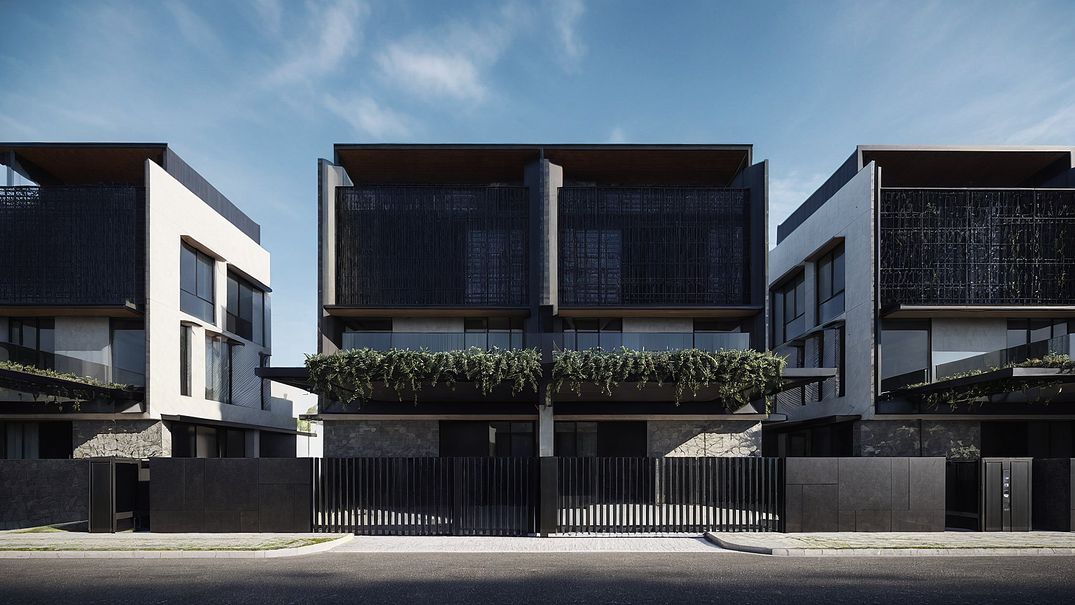
This might mean a bedroom that transitions into a workspace, or a guest suite that can later accommodate ageing parents. It might mean outdoor areas that feel meaningful without requiring excessive upkeep. Increasingly, it also means eliminating inefficiencies, such as spaces that exist more for scale than for purpose. “The idea is not to downsize emotionally, but to right-size intelligently,” he adds.
This shift has given rise to a segment that sits quietly between traditional luxury and modern practicality: Boutique landed homes. Neither as expansive as the large-format houses of the past nor as standardised as condominium living, they offer a middle ground that feels increasingly relevant.
“Boutique landed homes sit in a sweet spot,” Wee notes. “For condo upgraders, they offer land ownership and autonomy without the operational burden of a very large standalone house. For those right-sizing from larger properties, they preserve the essence and prestige of landed living, while reducing complexity.”
Yet, their appeal is not purely functional. There remains, undeniably, an emotional dimension to landed living in Singapore. It is tied to notions of privacy, permanence, and a certain level of prestige. What is changing, however, is how that aspiration is expressed.
“The emotional value hasn’t disappeared,” Wee says. “But aspiration now takes a different form. It is less about sheer scale and more about discretion, craftsmanship, and thoughtful design.”
(Related: Investing in Health – the real asset)
In place of excess, there is a growing appreciation for restraint. Homes that feel calm rather than imposing. Spaces that are well-proportioned rather than oversized. Prestige, in this sense, becomes less about visibility and more about intent.
“Buyers today are comfortable stepping away from excess if it enhances liveability and efficiency,” he adds. “Owning something rare and well-executed in a good location matters more than simply having a large land area.”
Design, as a result, has taken on a more central role. Not as an aesthetic afterthought, but as a defining principle. Increasingly, homes are conceived around how people actually move through them – whether it’s morning routines or evening gatherings.
“We are also seeing a strong emphasis on intentionality,” Wee says. “Spaces are designed around daily rituals, not just for visual impact.” Kitchens, for instance, are no longer tucked away, but positioned as the heart of the home. Natural light is carefully considered, with generous glazing and thoughtful orientation. There is also a growing desire to blur the boundaries between indoors and outdoors, through courtyards, internal gardens, and the use of natural materials.
“Buyers are also thinking about longevity. How materials age, how the home performs environmentally, and how adaptable it will be over time,” he adds.
What emerges is a form of understated luxury: One defined not by ornamentation, but by clarity. Clean lines, layered textures, and a sense of architectural coherence. From an investment perspective, this evolution is equally significant. While trophy assets like Good Class Bungalows continue to occupy the top tier of the market, they are inherently limited by a narrow buyer pool. Larger landed homes, too, often require highly specific preferences.
Boutique landed homes, by contrast, operate within a different dynamic. “They benefit from the structural scarcity of landed land in Singapore, while remaining accessible to a wider segment of affluent buyers,” Wee explains. “That can translate into more resilient demand across cycles.”
It is here that Aurum Gravis has positioned itself with particular discipline. Founded in 2023, the firm adopts an institutional approach to what has traditionally been a fragmented segment of the market, structuring funds to acquire land and develop projects that sit within a carefully defined price and design “sweet spot.” To date, it has invested across multiple projects in Singapore and the UK, balancing capital preservation with considered growth.
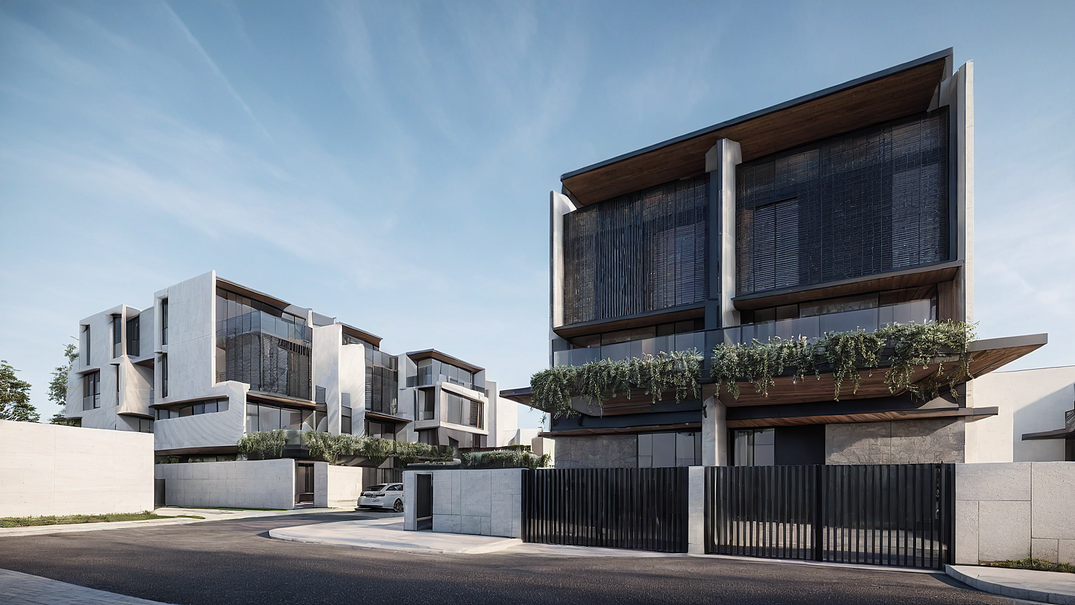
Recent developments, like the Natura Collection, which is a boutique freehold development of 11 landed homes in Lentor, offer a glimpse into how these ideas come together: Deliberately limited in scale, prioritising quality over quantity, and designed to align closely with how modern buyers want to live.
“Feedback from buyers today reinforces the idea that landed living does not have to be excessive to be exceptional,” Wee reflects. “What matters is that the homes are efficient, proportionate, and connected to their surroundings.”
Ultimately, what is unfolding is less a trend than a quiet realignment. A move away from inherited definitions of success toward something more personal, more deliberate. In the past, the ideal home may have been one that impressed. Today, it is increasingly one that fits.





 Back
Back