For many restaurant groups, success is typically measured by definitive tangibles like the number of outlets opened, tables filled, or accolades earned. For Elizabeth Chu, Chairwoman of Hong Kong-based ZS Hospitality, success is increasingly about something slightly less tangible: Creating opportunities for chefs to develop their own culinary voice.
In the last decade, ZS Hospitality has built a portfolio of acclaimed dining concepts that span a wide spectrum of cuisines – from modern Korean at Hansik Goo and SOL and contemporary Singaporean fare at Whey to refined Cantonese and Vietnamese dining at Jee and le le, respectively. Yet, despite their differences, Chu believes they are united by a common purpose.
"I think a lot of Asian cuisines are being over-generalised," she says. "For example, Vietnamese food is often perceived as street food, while Korean food has traditionally been seen as casual dining. But outside of this, these cuisines have way more depth and diversity than many people realise."
That belief has shaped the group's approach to restaurant development. Rather than focusing on established fine-dining traditions, ZS Hospitality has sought to champion cuisines that have historically received less attention in the luxury dining space.
(Related: Empowering Women, Empowering Futures – Chai Karim)
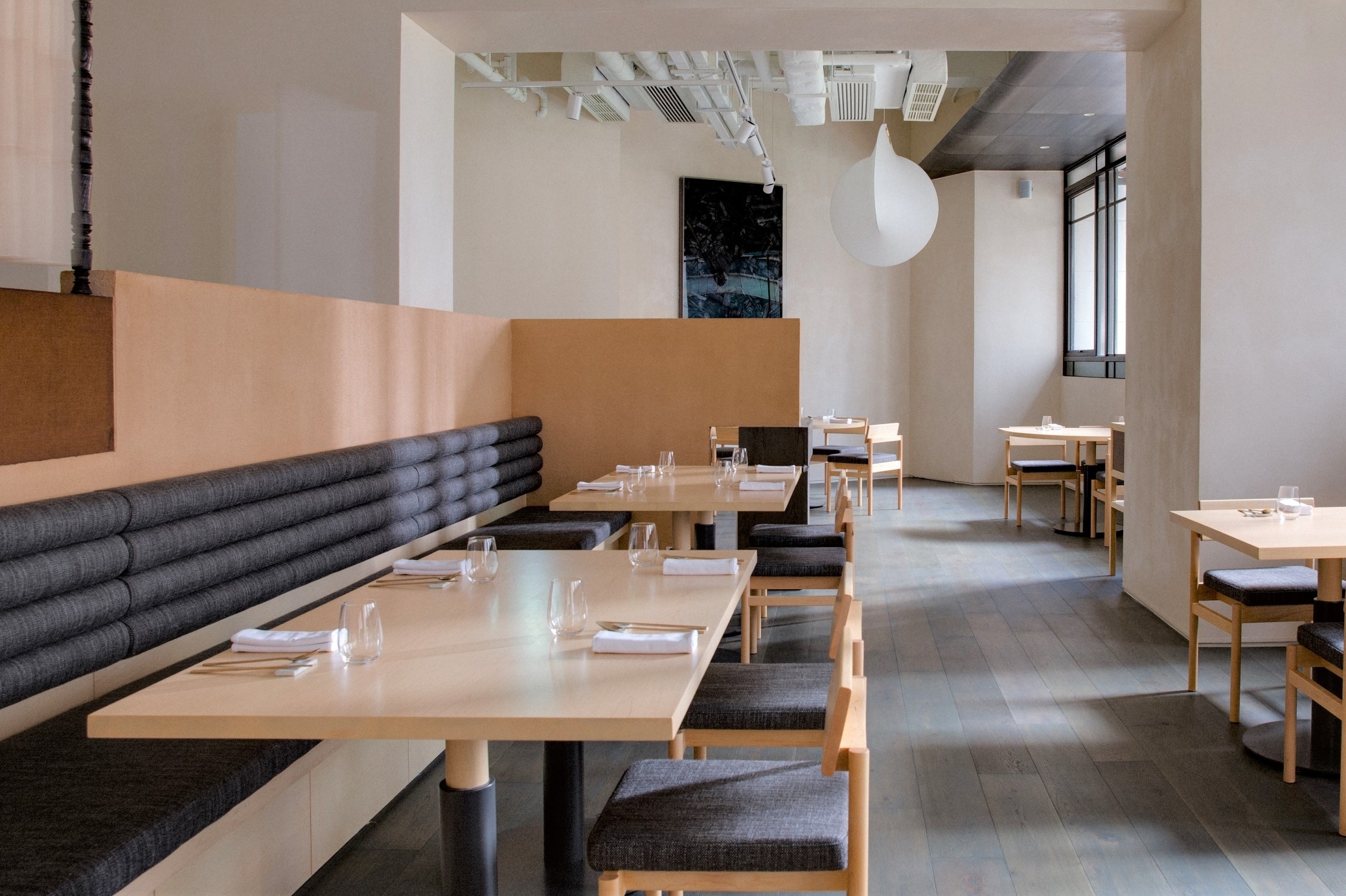 Hansik Goo reimagines Korean cuisine through a contemporary lens, blending tradition with refined techniques
When the group opened Hansik Goo six years ago, modern Korean cuisine was still relatively uncommon in Hong Kong. Today, Chu points to a growing number of Korean chefs opening ambitious restaurants across the city as evidence of how rapidly perceptions can evolve.
"I feel that some of these cuisines deserve a bigger stage," she says. "People often know only a few dishes, but there is so much more to discover."
Yet while cuisine forms an important part of the group's identity, the conversation quickly returns to another subject that Chu is equally passionate about: Talent.
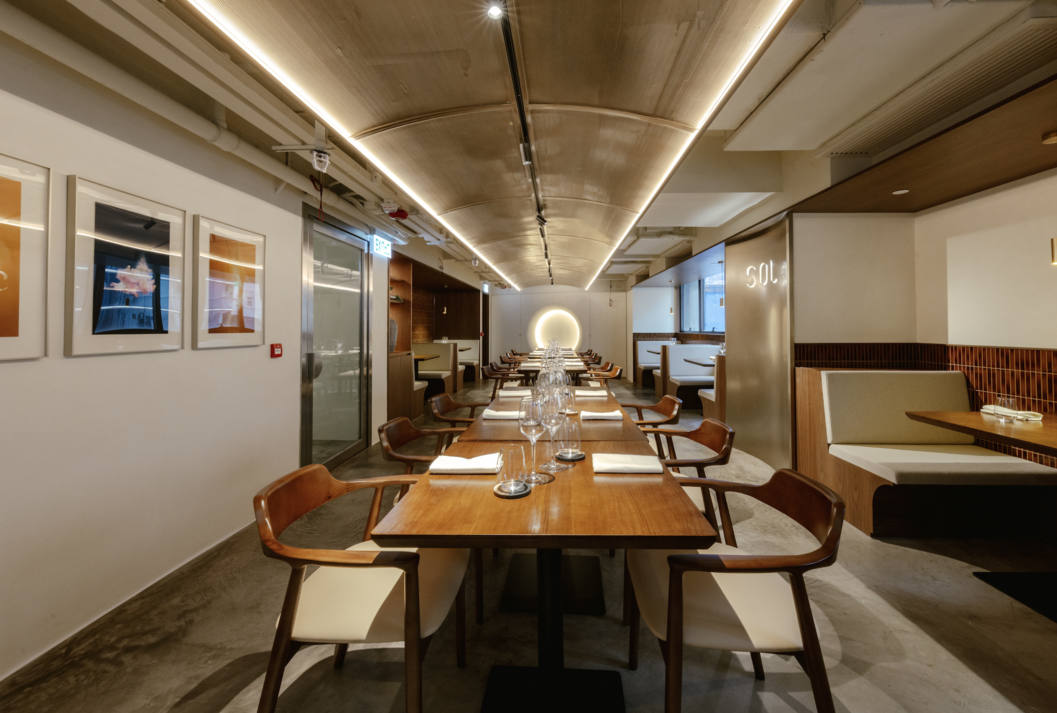 SOL offers a fresh and vibrant interpretation of Korean cuisine, combining bold flavours with a relaxed, modern dining experience
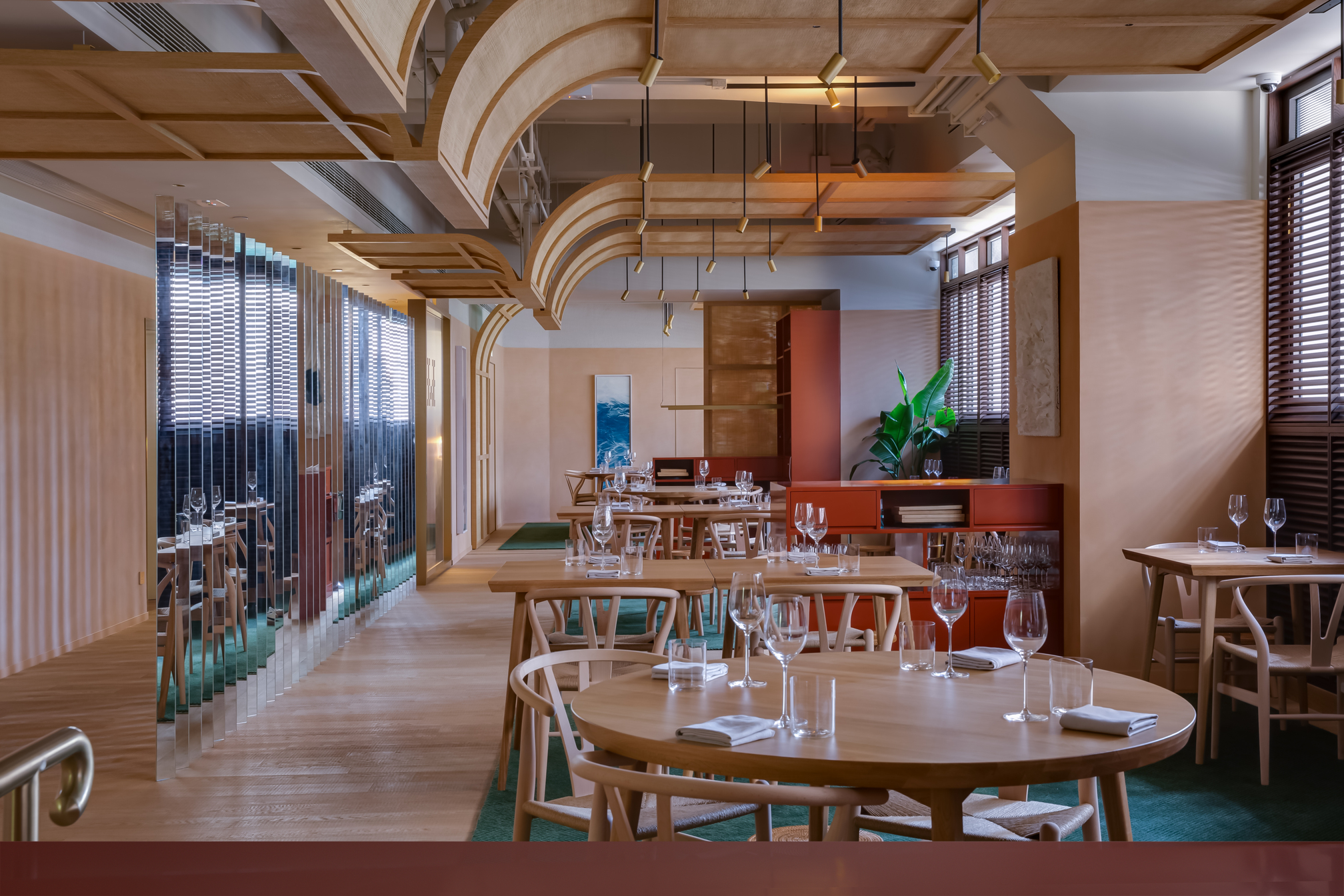 Led by Singaporean chef Barry Quek, Whey draws on Southeast Asian influences to create thoughtful, contemporary tasting menus
At 32, Chu belongs to a younger generation of hospitality leaders. When she first entered the industry, she found herself navigating a business where experience and seniority often carried more weight than fresh perspectives.
She recalls: "I was a young, female entrepreneur. People would assume that you didn't know what you were doing. I faced that from the very beginning." Those experiences helped shape her belief that young professionals often need opportunities, encouragement, and support as much as they need talent.
Today, many of the chefs leading ZS Hospitality's restaurants are relatively young, having trained at some of the world's leading kitchens before stepping into leadership positions of their own. For Chu, identifying potential goes beyond technical ability.
(Related: Best new menus and bars for July 2026)
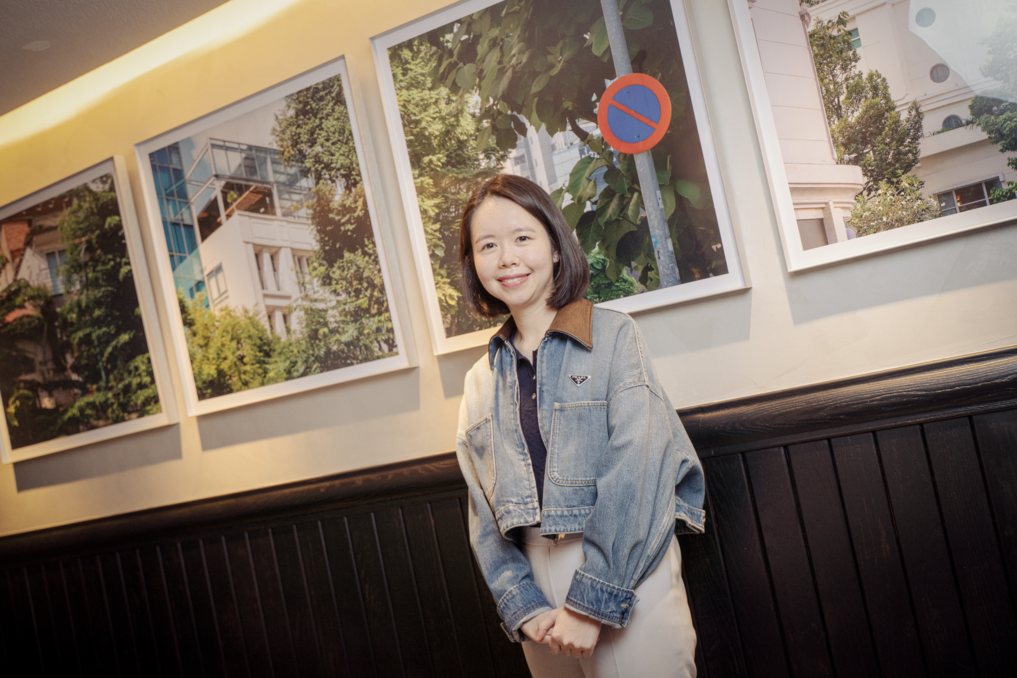
"Even very good chefs evolve throughout their careers. At the beginning, they may not know exactly what they want to express. Over time, their style becomes clearer and more refined."
"The foundation has to be culinary talent," she says. "But talent alone is not enough." Over time, she learned that successful chefs must balance creativity with commercial realities. Some of the group's earliest challenges came from placing too much emphasis on culinary skill while overlooking the business side of hospitality.
"When I first started, I really idolised chefs," she says with a laugh. "If the food was good, I thought everything would work. But problems start to happen if you only focus on food quality and ignore everything else."
Today, she looks for chefs who understand both craft and sustainability. Just as importantly, she looks for individuals with a distinct perspective. "What is your food? What is your perspective?" she asks. "That's a question we always encourage our chefs to think about."
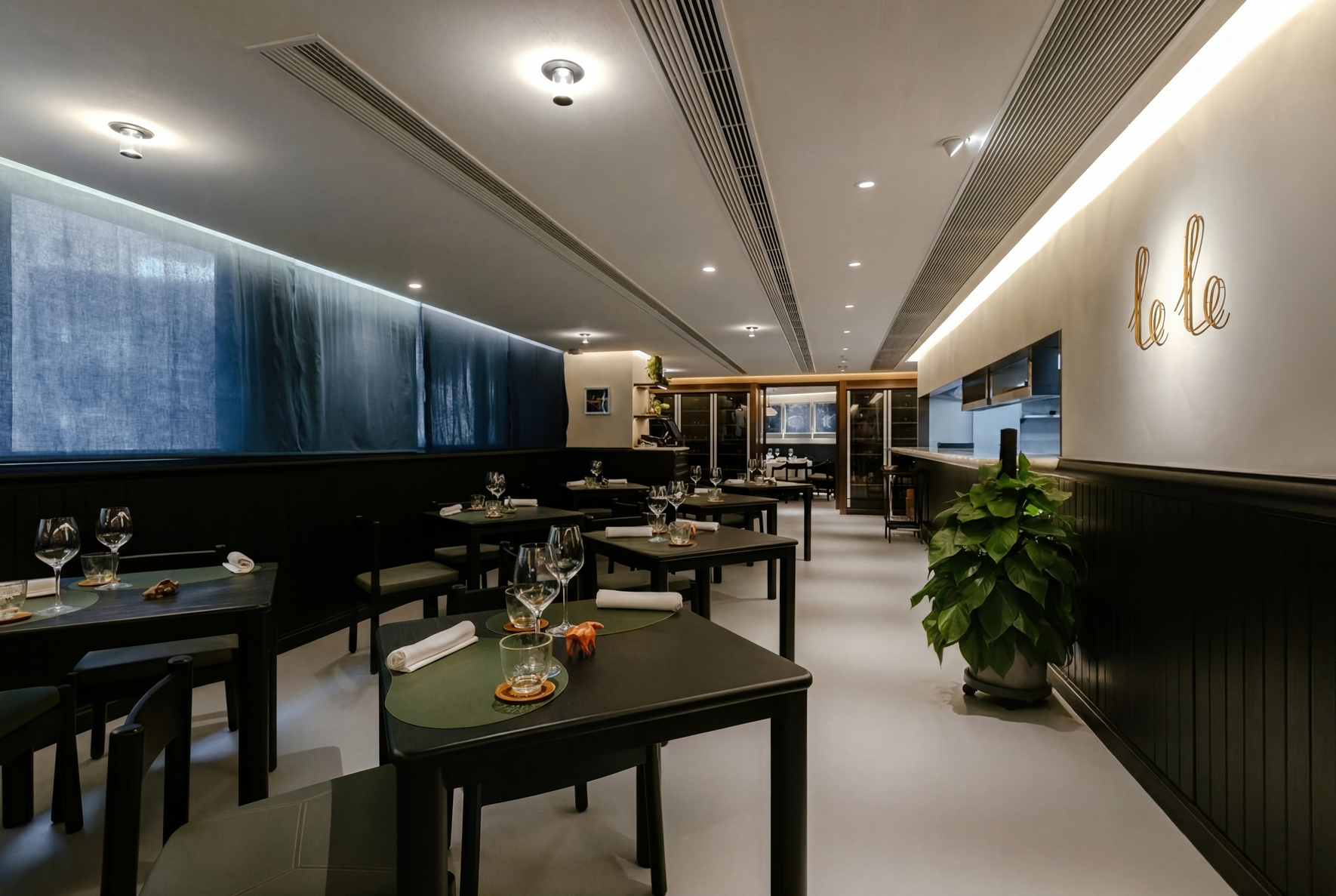 ZS Hospitality's newest concept, le le, presents Vietnamese cuisine through a contemporary perspective while celebrating its rich culinary heritage
Helping chefs answer that question has become a central part of ZS Hospitality's role. Beyond providing kitchen space, the group supports its teams through finance, operations, marketing, and business development, allowing chefs to focus on refining their concepts while learning how to run successful restaurants.
Chu likens the process to the development of an artist. "Even very good chefs evolve throughout their careers," she says. "At the beginning, they may not know exactly what they want to express. Over time, their style becomes clearer and more refined."
That process, she argues, requires patience from both operators and diners. "I hope the market can be more forgiving towards young chefs," she says. "People learn through experience. They need time and space to develop."
The need for talent development has become even more pressing as the hospitality industry grapples with recruitment challenges. Like many markets around the world, Hong Kong's food and beverage sector faces increasing competition for talent, with younger workers presented with a growing range of career options outside traditional hospitality.
(Related: Chef Fei – A modern Chinese chef's take on tradition)
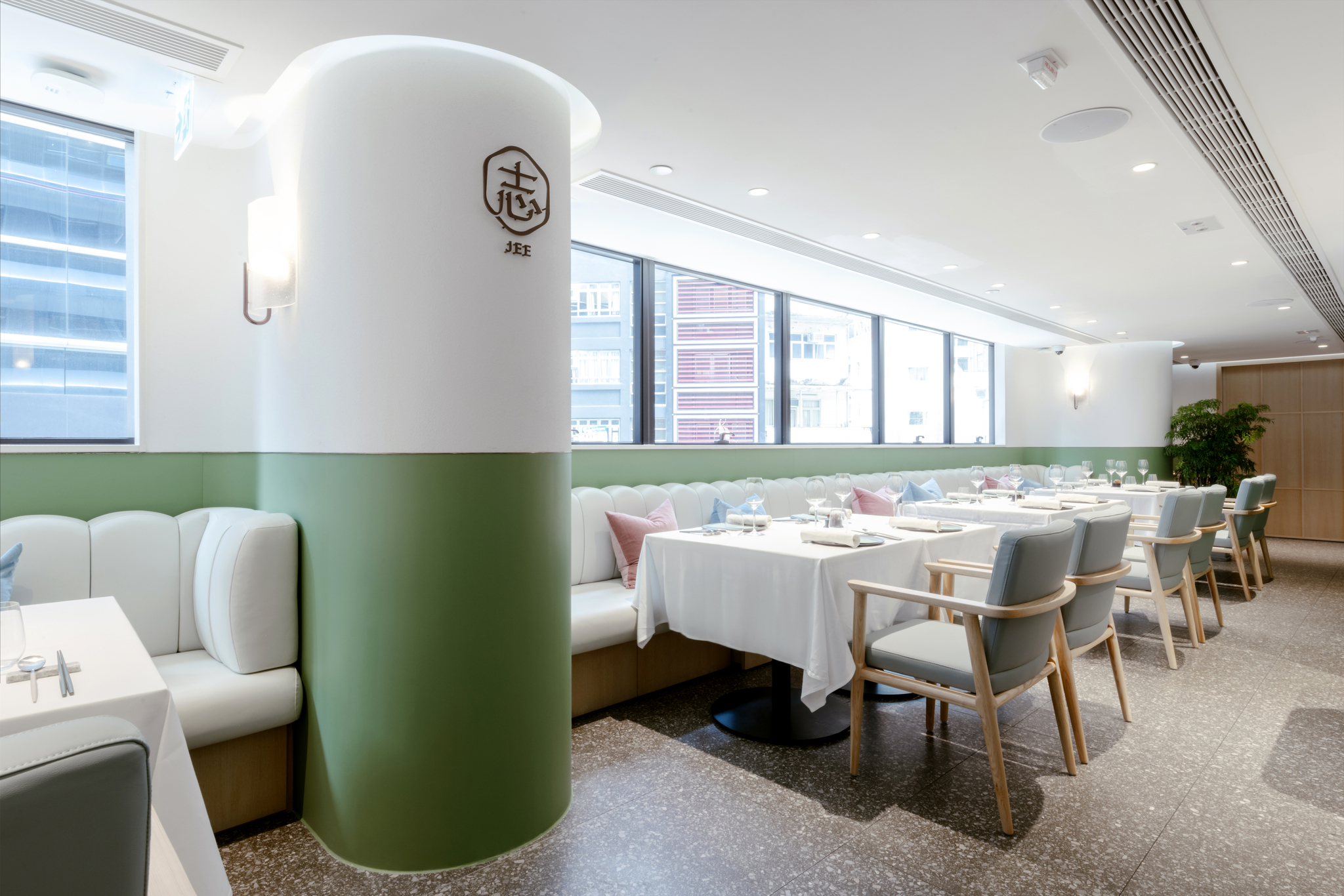 Contemporary Cantonese restaurant Jee reinterprets the familiar with refined techniques and premium ingredients
For Chu, investing in people is one way to address that challenge. The philosophy extends beyond the kitchen to front-of-house teams, where internal promotion and career progression play an important role in retaining staff. "Hospitality is really about whether you have the heart for it," she says. "Technical skills can be taught, but passion and the willingness to go the extra mile are what create memorable experiences."
As Hong Kong's dining scene continues to evolve, Chu also sees significant changes in consumer behaviour. Diners today are more informed, better travelled, and increasingly value-conscious than they were a decade ago.








 Back
Back