Influence was never something Chef Violet Oon set out to cultivate. It emerged and formed through memory, longing, and an instinctive sense of place. Long before heritage food became a global conversation or a point of national pride, she understood that what we eat is inseparable from who we are.
Her sense of being Singaporean began early, long before the country itself fully articulated its identity. In 1961, at the age of 12, Oon left Singapore for London with her parents, travelling first through Italy and Switzerland before settling in England. It was an experience that exposed her to the world’s great cuisines, but it was distance that sharpened her understanding of home.
“In the cold winter nights in London, I could taste Singapore,” she recalls. The wanton mee, the chilli, the simple foods eaten on stools at the junction of Everitt Road and Joo Chiat Place. Absence made flavour vivid. It was through longing that she realised Singapore’s cuisines could hold their own alongside those of Europe.
Her parents were progressive bon vivants who believed that food was an education. Her father, an epicure with a background in geography, insisted she taste everything, even if it looked unfamiliar. Through travel, meals became lessons in culture, history, and geography. “We travelled through food,” Oon says, recalling charcuterie in the Loire Valley, paella in Spain, creamy hot chocolate on Swiss trains. These experiences formed her palate, but more importantly, they taught her to understand cuisine as an expression of place.
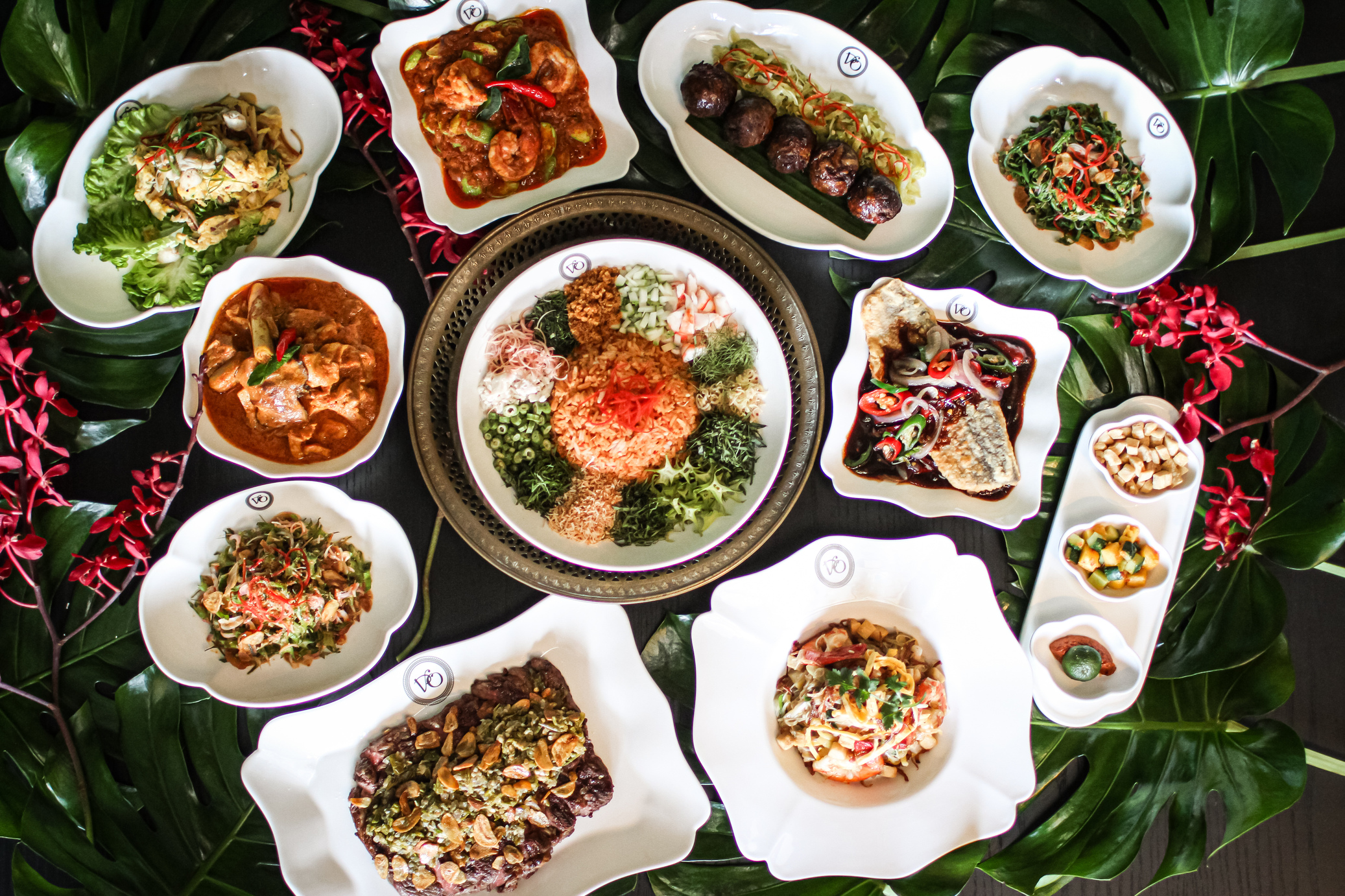
Yet it was Peranakan food that anchored her emotionally. The marriage of Chinese and Malay traditions, of auspicious symbolism and tropical ingredients, felt instinctively hers. In the 1960s and 70s, when Peranakan culture risked fading into obscurity, Oon began recording the recipes of her aunts and grandaunts with urgency. From the age of 16, she learnt techniques and cooked obsessively, driven by a fear that these flavours might disappear.
“It wasn’t an intellectual decision to treasure heritage,” she says. “It was always felt.”
Her academic training in geography, sociology, and political science later gave language to what she already knew intuitively. Food, she understood, reflects where we have come from, where we are, and what we believe. It was a realisation that shaped her early career as a journalist, beginning in 1971, when she used her platform to write about Singapore’s multicultural foodways with conviction and care.
Stories mattered as much as recipes. Oon recognised early on that diners were drawn not just to taste, but to meaning. Knowing the history behind a dish deepened the experience, transforming a meal into something shared and remembered.
(Related: Where influence meets heritage – The world according to Khir Johari)
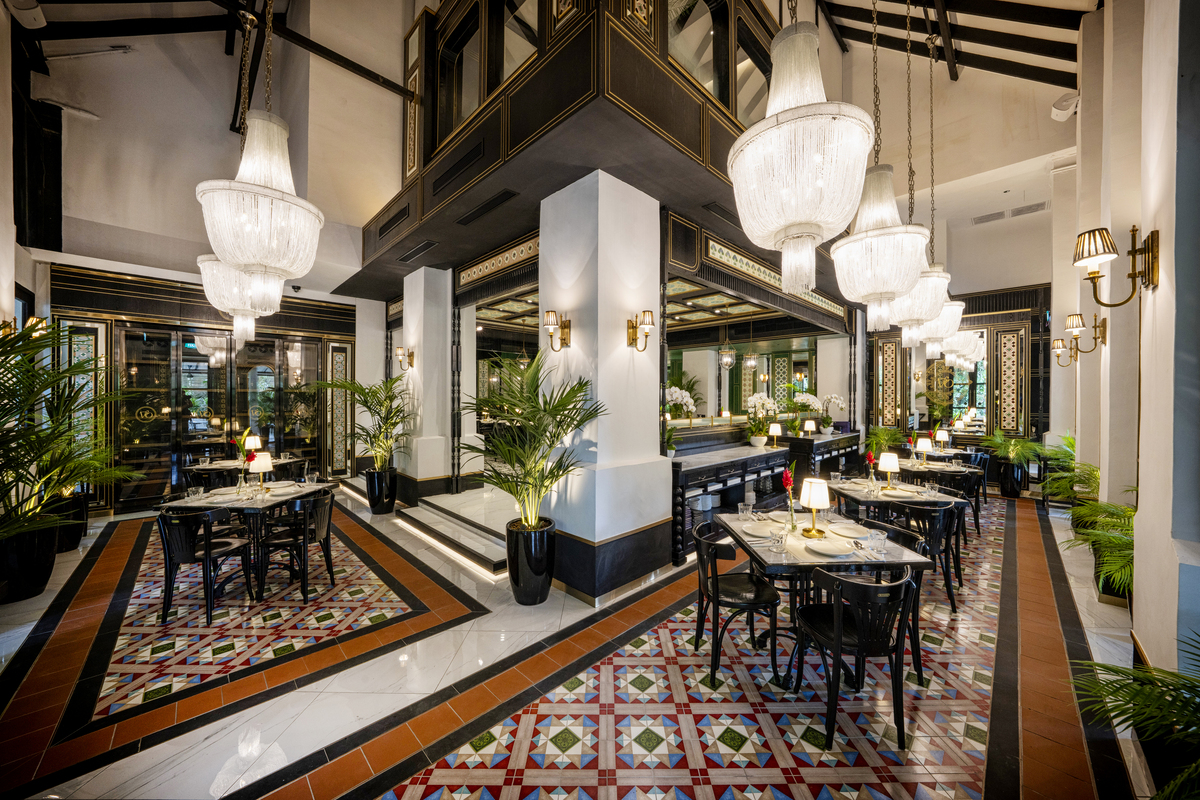
That philosophy would later find its most visible expression in National Kitchen by Violet Oon, which recently marked its 10th anniversary. Conceived as an elegant Singapore dining room, the restaurant was designed to reflect cultural memory, drawing inspiration from Peranakan homes along Emerald Hill, Koon Seng Road, and Katong. Antique tiles, gold accents, and layered textures framed dishes that were rigorously researched and unapologetically authentic.
Looking back, Oon believes the restaurant helped shape how Singaporeans perceive their own culinary culture. Since its opening in 2015, she has observed a renewed respect for local food traditions, accompanied by a surge of young writers, chefs, and entrepreneurs interpreting Singapore flavours through their own lenses. Importantly, she never wanted her influence to produce imitation.
“I am happy that this influence has led people to explore their own authentic journeys,” she says. “Not to follow my path rigidly, but to find their own freedom.”
Her influence extends beyond fine dining. With Bibik Violet, a more casual Peranakan café at Temasek Shophouse, she introduced everyday home cooking at accessible price points, without compromising technique or flavour. It is, as her son Yiming describes, slow food rather than fast food. The focus remains on authenticity, from hand-pounded rempahs to carefully prepared kueh, recreated with the patience Oon remembers from her grandaunts’ kitchens.
For Oon, shaping identity through food has always been intentional. In 1988, she represented Singapore as a food ambassador in the United States, travelling across nine cities in three weeks with what she describes as missionary zeal. She cooked, hosted, and appeared on television in a sarong kebaya, determined that audiences in Los Angeles, New York, and Washington would understand Singapore through its food. The same passion continues to drive her work at home, five decades on.
Influence, however, is not sustained by nostalgia alone. In a world where food trends rise and fall rapidly, Oon distinguishes between novelty and heritage. While trends come and go, she believes heritage cuisine offers something more enduring, particularly in times of uncertainty. Around the world, diners are gravitating towards food that defines cultural identity, whether Japanese, Korean, Peruvian, or Nusantara. Singapore’s own culinary traditions, she feels, belong firmly in that conversation.
“I am happy that this influence has led people to explore their own authentic journeys. Not to follow my path rigidly, but to find their own freedom.”
Still, authenticity cannot exist in theory alone. “The food has to be yummy,” she says simply. “Otherwise, it is all academic.” Deliciousness, hospitality, and warmth remain non-negotiable. Culture must be felt, not studied.
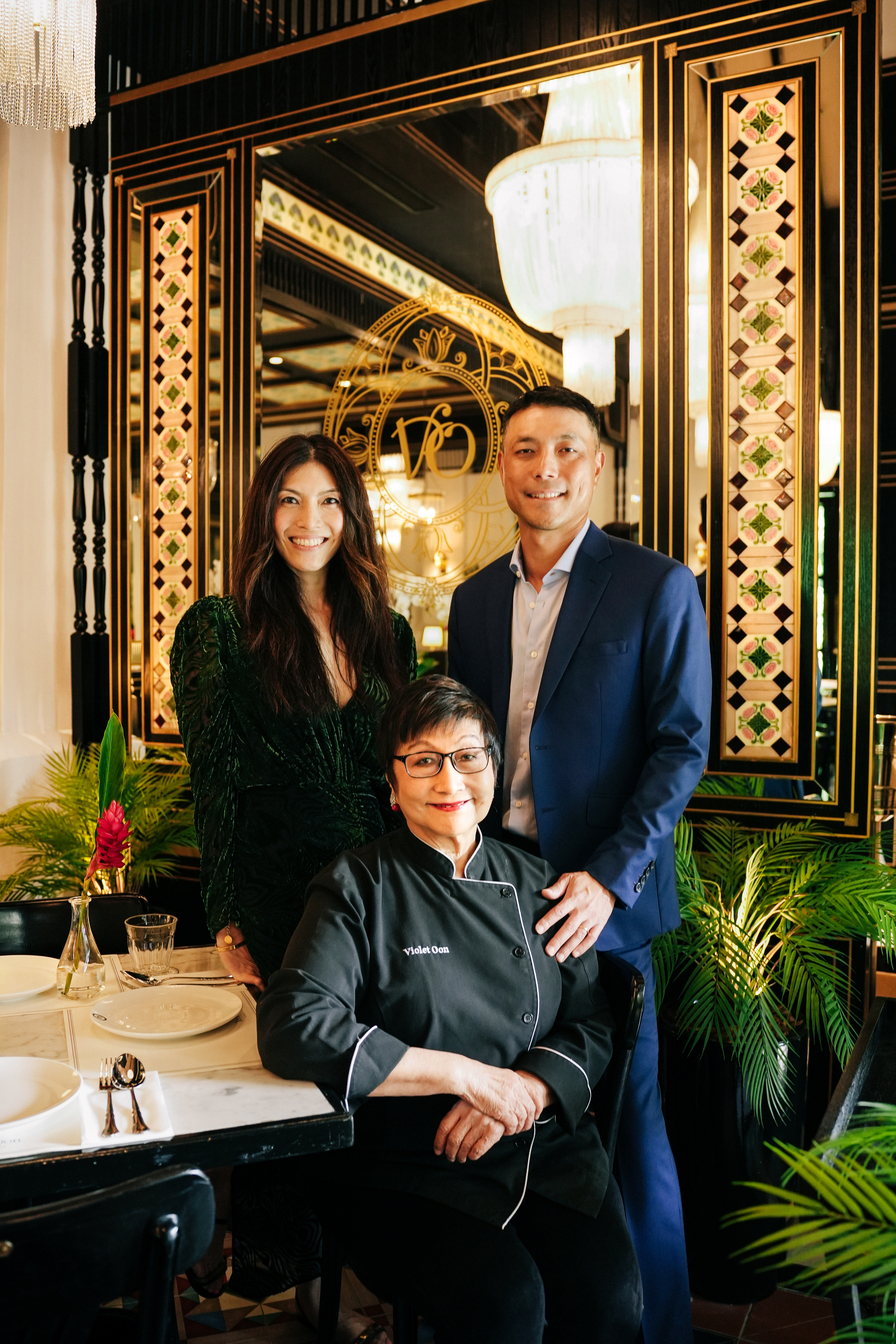
Today, Oon continues this journey alongside her children, Su-Lyn and Yiming, who chose to carry forward her life’s work after successful careers of their own. Passing on influence, for her, is not just about recipes, but about values. Respect for ingredients. Discipline in technique. An understanding that food represents life itself. That transmission now extends to grandchildren who bake, cook, and learn heritage dishes at her side.
When she considers legacy, Oon returns to first principles. Food, she hopes future generations will understand, is a powerful force for joy, memory, and belonging. It binds families, cements friendships, and anchors identity in a rapidly changing world.








 Back
Back