For Koo Sok Hoon, influence has never been about volume. It is something more precise and considered. A discipline built on alignment, intention, and the confidence of knowing when to lead and when to let the brand speak for itself.

Today, as Marketing Director of Shangri-La Singapore, Koo oversees one of the country’s most storied hospitality brands. But her approach to influence was shaped long before hospitality, forged across luxury automotive, fashion, and travel. Each industry sharpened a different instinct, yet the core belief remained unchanged.
“Marketing is never just a support function,” she shares. “It’s the strategic engine that delivers the brand’s vision.”
It is a conviction reinforced over time. Koo recalls a remark by Piyush Gupta, former CEO of DBS Group, who described marketing as the most strategic department in any organisation because it translates vision into reality. For her, that idea resonates deeply. Marketing, when done right, does not merely shape perception. It shapes direction.
What has evolved is her understanding of how influence operates across contexts. In automotive, it was driven by aspiration and precision. In fashion, cultural relevance and emotional resonance took precedence. Hospitality, however, demands something more layered. “It’s about creating experiences that feel personal yet globally consistent,” she explains. The channels may change, but influence, she believes, is always earned through authenticity and consistency.
There are two principles that guide her work: First is patience. “There’s no shortcut to building brand equity,” she says. Every touchpoint matters, whether it is a television spot, a social post, or even a greeting card. Lose coherence, and the brand itself begins to fracture. The second is integration. Marketing cannot exist in isolation. When product, operations, and communications move in concert, campaigns become catalysts for real business impact.
That belief sits at the heart of how she approaches luxury hospitality today, particularly in a market as competitive and digitally sophisticated as Singapore. For Koo, luxury is no longer defined by chandeliers or thread counts. It is emotional, experiential, and deeply human. “Luxury today is about how a place makes you feel,” she says. Marketing’s role is to architect that feeling long before a guest arrives.
At Shangri-La Singapore, that emotional architecture is guided by a simple yet exacting promise – hospitality from the heart. Brand platforms and tone-of-voice principles act as a compass, shaping how the hotel speaks with insight, remains dynamic, and stays humbly confident and inclusive. In practice, this means moving away from generic storytelling towards narratives that are contextually aware and culturally precise.
In a landscape where personalisation is expected and digital is the first point of contact, persuasion becomes less about advertising and more about orchestration. Online, every editorial choice carries intent. Language, cadence, imagery, and framing are carefully calibrated to align expectation with experience. “If this is done well, it’s not hype. It’s alignment between narrative and delivery,” Koo says.
Personalisation, too, is approached with restraint. While data provides direction, it does not dictate the experience. “Guests value recognition and care,” she notes. “Data should be a compass, not a script.” Initiatives like “Discover Your Shangri-La” are designed as invitations rather than prescriptions, allowing space for spontaneity and warmth. True luxury, in her view, standardises principles, not emotions.
(Related: The Art of Influence – Violet Oon)
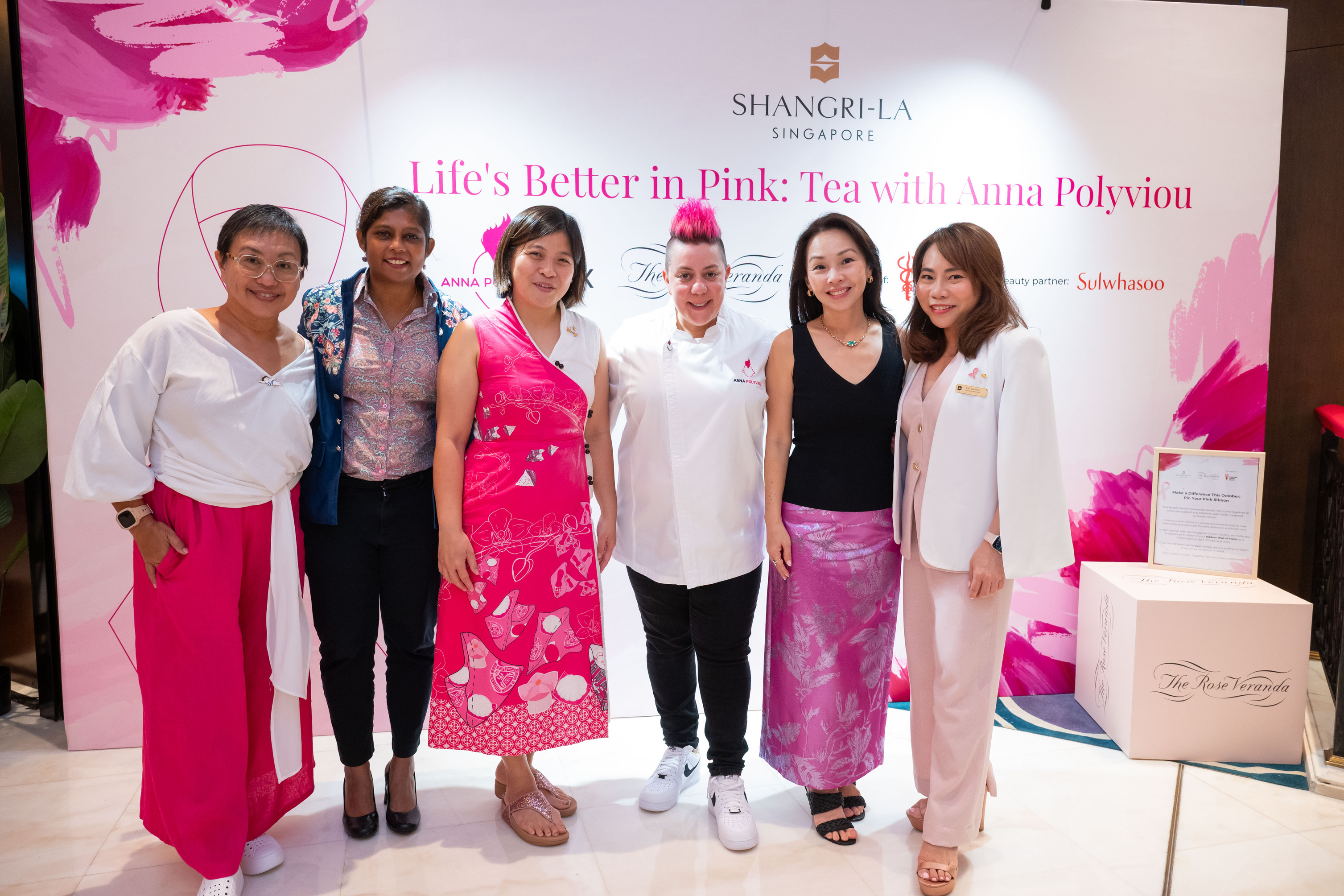
“For me, influence is about sparking ideas that shift norms.”
Balancing brand storytelling with commercial performance is another discipline Koo navigates with clarity. She acknowledges the tension. Performance is measured in conversion, revenue, and return on investment. Storytelling, meanwhile, operates in the realm of emotion and resonance. The bridge between the two is authenticity.
“Every narrative must reflect the brand’s truth,” she says. Trust is built when stories are rooted in heritage, values, and a clear guest promise. At the same time, she is unequivocal about marketing’s role as a growth engine. Each story must inspire action without feeling transactional, whether that action is a booking, an enquiry, or deeper engagement with the brand.
The strategy begins with the guest’s perspective. What value does the story offer them? From there, analytics identify high-conversion touchpoints, while emotion-driven storytelling ensures those moments linger. Channel discipline follows, with platforms deployed deliberately, from visual engagement on Instagram and TikTok to conversion-driven strategies on Facebook. Influence, she believes, is achieved when guests feel something and act on it.
Within the hotel, influence unfolds as an ecosystem rather than a single moment. Dining, wellness, culture, and events are no longer discrete offerings. They are narrative layers in a guest’s personal story. “Travellers today don’t just consume experiences. They curate them.”
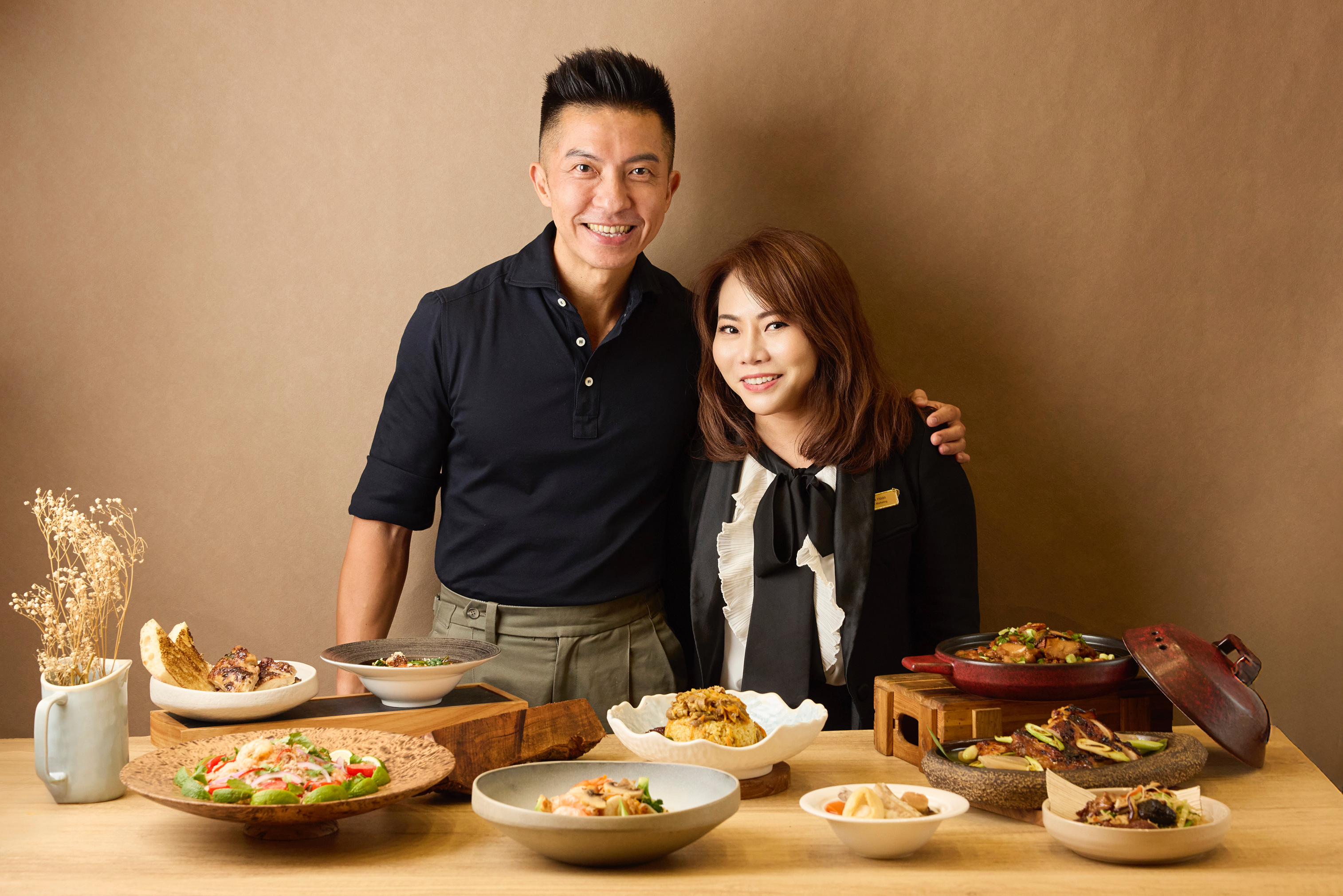 Koo with Leo Lee aka @mr_agleooleo
Food and beverage becomes a form of cultural storytelling, where heritage menus and local collaborations signal authenticity while remaining relevant. Wellness evolves beyond spa treatments into emotional anchors, from immersive sound experiences to holistic recovery journeys. Cultural programming transforms the hotel into a convening platform for creativity and community. Events, meanwhile, act as amplifiers, extending influence beyond the physical space through digital visibility.
“Influence is earned through coherence,” she says. When every touchpoint echoes the brand’s promise while offering something personal and purposeful, the hotel becomes more than a destination. It becomes a story guests want to share.
That instinct for first-mover thinking has defined much of Koo’s career. At BMW, she led the brand’s early adoption of Samsung Connected TV for the launch of the BMW i5, a move that delivered exceptional results and later became an industry norm. In hospitality, she applied the same logic by initiating a collaboration with digital food creator Leo Lee, aka @mr_agleooleo, shifting the focus from traditional chef-led partnerships to social visibility and everyday relevance.
“For me, influence is about sparking ideas that shift norms,” she says. When innovation is purposeful and impact is clear, campaigns evolve into movements.
(Related: Celebrated home cook Leo Lee brings family recipes to Shangri-La Singapore)
Looking ahead, Koo believes the future of marketing lies in the convergence of precision and empathy. Data and AI will increasingly interpret emotional intent, enabling hyper-personalised experiences that feel intuitive rather than intrusive. The most influential brands, she argues, will be those that use analytics for insight and creativity for connection.
As for legacy, she hopes to reshape how people think about luxury stays by pairing imaginative storytelling with measurable business outcomes. From transforming ballrooms into immersive wellness spaces to positioning hotels as platforms for culture and community, the goal is always the same: To make guests feel something unforgettable, while delivering results leaders can stand behind.








 Back
Back